




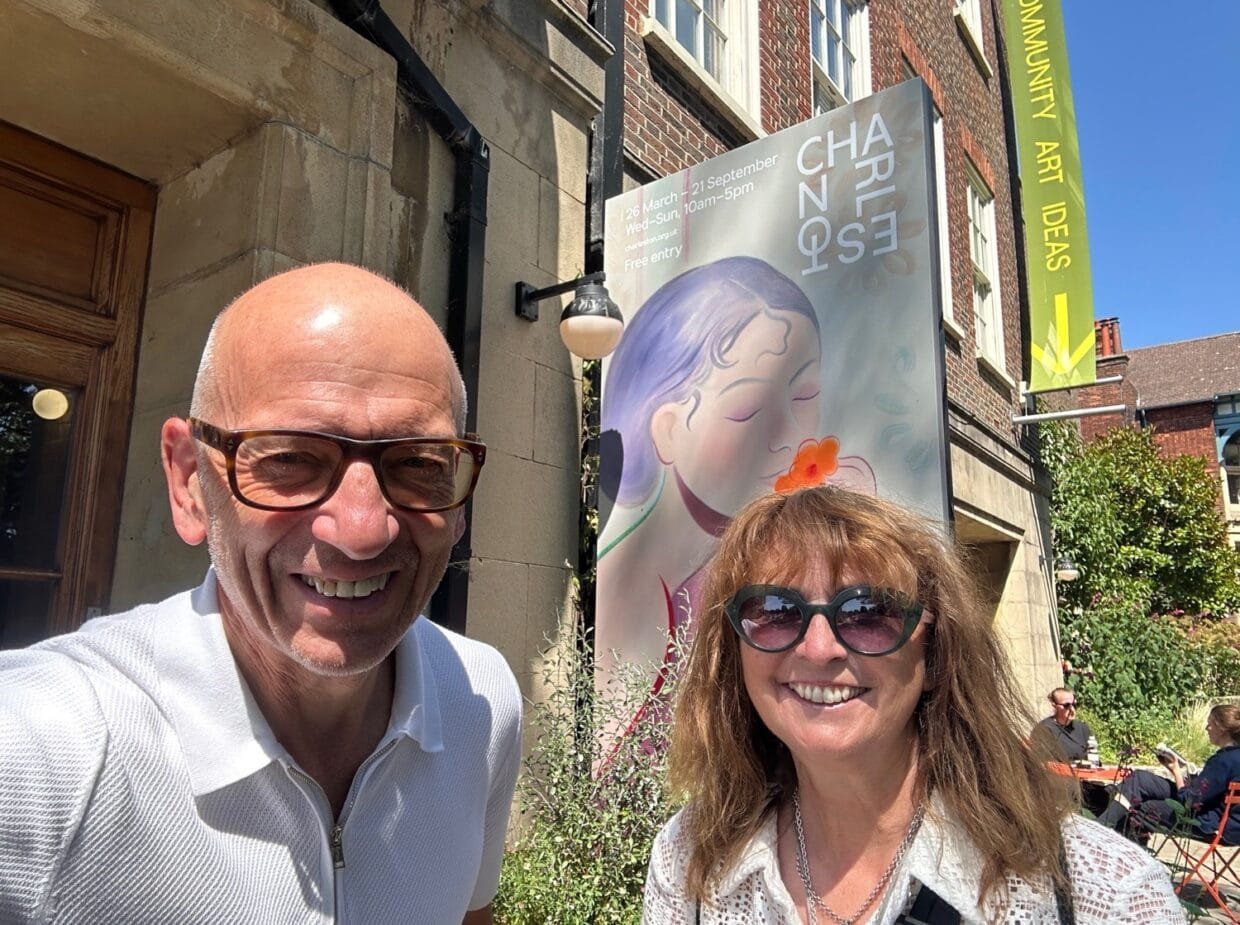
In Shoreditch, we like our culture clever, curious, and never condescending—exactly what BAFTA-winning film director Phil Grabsky delivers with the Painting of the Week podcast. Now in its sixth season, the podcast brings iconic and unexpected artworks to life with warmth, humour, and razor-sharp insight. Co-hosting with art enthusiast Laura Bentham, Grabsky bridges the gap between the expert and the everyday viewer, making fine art genuinely accessible. We caught up with Phil to talk about the new season of the Painting of the Week podcast, from da Vinci to bog oak ballet dancers.
Season 6 of Painting of the Week features everything from da Vinci to cycling posters—how do you choose which artworks make the cut?
It’s always a careful balance—on the one hand, you have the great masterworks: the da Vincis, the Turners, the Vermeers. These are works that, quite rightly, draw people in with their fame, but what interests me most is what lies beneath that fame—the brushstrokes, the context, the humanity. On the other hand, we want to champion the unexpected: a cycling poster from 1930s France can tell us just as much about visual language, cultural identity, and even emotion, as a Renaissance fresco. So our choices aren’t always about what’s “great,” but what’s revealing—what sparks curiosity, invites conversation, makes you giggle, and perhaps offers that quiet moment of reflection that art can so beautifully afford.
Your dynamic with co-host Laura Bentham is part of the show’s charm—how do your contrasting perspectives shape the podcast’s tone and reach?
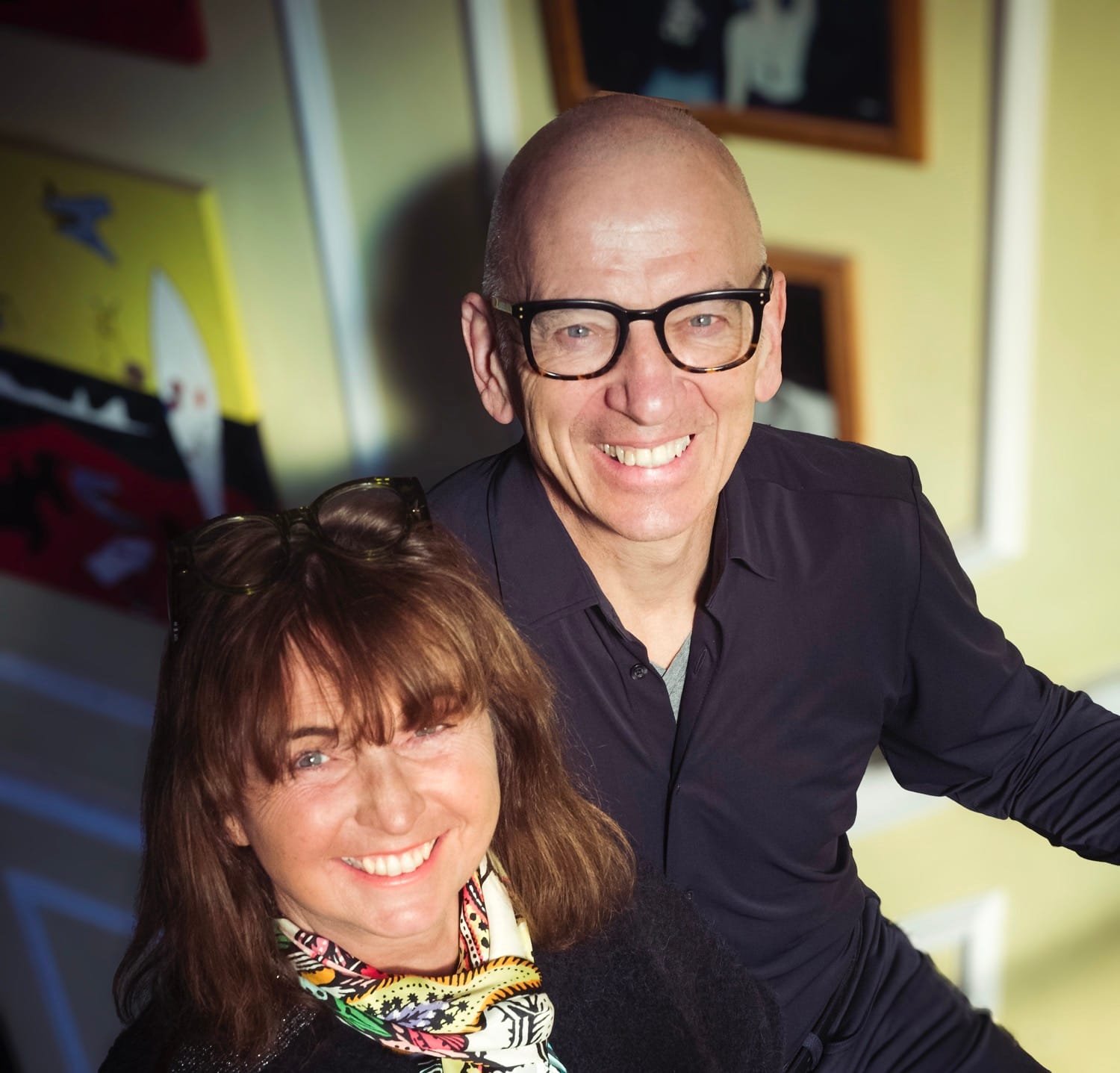
Laura brings something quite unique to the podcast—she views art through a wonderfully human lens. While I may begin by talking about pigment or provenance, she’ll suddenly ask, “But would I hang it in my living room?” And that question, simple though it may be, gets to the heart of engagement. I’ve spent a lifetime around art, museums, curators, cameras… Laura reminds me—and our listeners—that art isn’t just for experts. It’s for everyone. That contrast—between scholarship and instinct, between art history and lived reaction—is what makes the conversation feel, I think, both grounded and alive. But don’t be under any illusions: Laura does her homework. Her coloured notebooks are the stuff of legend.
One standout episode is recorded on-site at Petworth House for Turner—how does being physically present with a work change the conversation around it?
Being in the physical presence of a Turner at Petworth is not simply an encounter with a painting—it’s a conversation with space, with history, with light itself. You can feel so much when you stand before the work; the scale, the texture, the surrounding architecture—all of it contributes to the experience. When we record on site, the work is no longer a jpeg on a screen or a detail in a book—it breathes. You notice things: the way the paint catches late-afternoon sun, or how footsteps echo differently in a gallery where time feels somehow paused. That presence, that intimacy, changes everything—it grounds the conversation not just in what we know, but in what we feel. Most importantly, we can engage with the local curator or gallery director who brings great insight to the podcast.
You’ve got guests from all corners of the art world this season—what kind of insight or energy do these voices bring to the mix?
Each guest brings a distinct kind of light to the canvas, if you like. Some come with deep academic expertise, others with a curator’s eye, a collector’s passion, or even a sense of enthusiastic wonder. That range allows the artworks to be seen through multiple lenses, which is precisely how they should be seen. A good conversation about art is like a prism—it refracts meaning in unexpected directions. What these voices do is keep the dialogue fresh, relevant, and above all, open. They help us ask new questions of old works and rediscover the joy of seeing. And it’s a lot of fun!
With da Vinci’s The Last Supper featured in Season 6, how do you approach discussing such a well-known piece without retreading old ground?
You begin, always, by slowing down. That’s the first act of respect. With The Last Supper, the challenge isn’t finding something new—it’s choosing which thread to follow. Do you talk about the flaking paint and da Vinci’s experimental technique? The psychology etched into the faces of the apostles? The room in Milan where time seems suspended? Or do you speak of silence—of the space between the gestures, the tension just before betrayal? A great work like this contains multitudes. The truth is no matter how well you think an artwrk is known, more often than not, folk have a pretty superficial understanding – even misunderstanding – of the work. We offer an accessible, intelligent and contextualised insight into these masterpieces.
You’ve always championed accessibility in art—what still needs to change in how we engage broader audiences with fine art today?
There’s still a lingering notion that art is for the few—those who’ve studied it, who know the jargon, who can navigate the echoing halls of the world’s great museums without feeling out of place. That needs to change. Accessibility isn’t just about physical access or ticket prices—it’s about invitation. It’s about saying, “This painting belongs to you as much as anyone else.” Podcasts, documentaries, and digital media offer us powerful tools—but we must wield them with empathy. We must create spaces—physical and virtual—where curiosity is welcomed, not judged. Where someone can say, “I don’t get it,” and that becomes the start of a conversation, not the end of it. We’ve been the UKs biggest independent producer of art films, etc, for almost 30 years – we’re fighting often against the indifference of broadcasters or the press but we’re fighting the good fight! The art we look at is both an example of the creativity that humankind is capable of (as distinct from our desire to destroy ourselves ) as well as being historically fascinating and emotionally moving.
From Exhibition on Screen to the podcast, you’ve explored so many formats—what excites you most about the audio space right now?
Audio invites intimacy. When someone listens to the podcast, they’re often alone—on a walk, cooking dinner, commuting. There’s a kind of quiet companionship in that space. Unlike film, which requires your eyes for 90’, or galleries, which require your presence, audio allows you a different kind of engagement. It’s a return to storytelling in its purest form: the human voice. That excites me—to create a personal, thoughtful journey through art that can be carried in your pocket.
Looking ahead, what are you most curious to explore in future seasons—new themes, mediums, or perhaps even less traditional definitions of ‘art’?
I find myself increasingly drawn to the peripheries—the works, stories, and voices that haven’t always found their place in the traditional art historical canon. Folk art, street murals, textiles, even animation—these are not merely “adjacent” to art; they are art. I’m also fascinated by the intersections: art and science, art and mental health, art and social justice. And yes, I think the definition of art is expanding—rightly so. The question we continue to ask is: what moves us, what connects us, what lingers in the mind long after the episode ends? That, to me, is art worth exploring.