





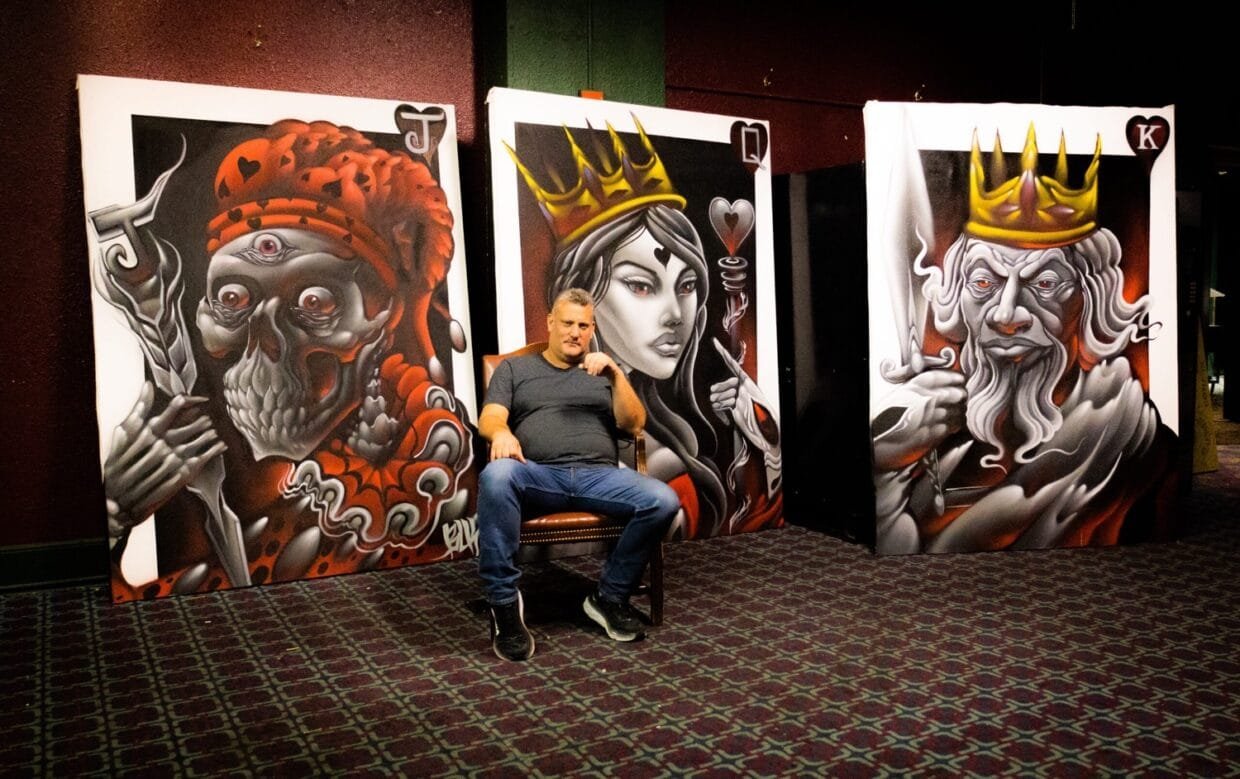
From the subways of New York to the walls of Los Angeles, street art has always been a pulse of rebellion, identity, and art. Few have dedicated their lives to preserving that history quite like John Carswell, curator of The Dogtown Collection at AMGRAF – the world’s largest graffiti and urban art archive on canvas. Spanning five decades, the collection immortalises steet art pioneers like Cornbread and the legendary Under The Influence crew while fostering community programs for at-risk youth. We caught up with John Carswell to talk about the evolution of graffiti, its social power, and how he’s keeping this vital art form alive for generations to come.
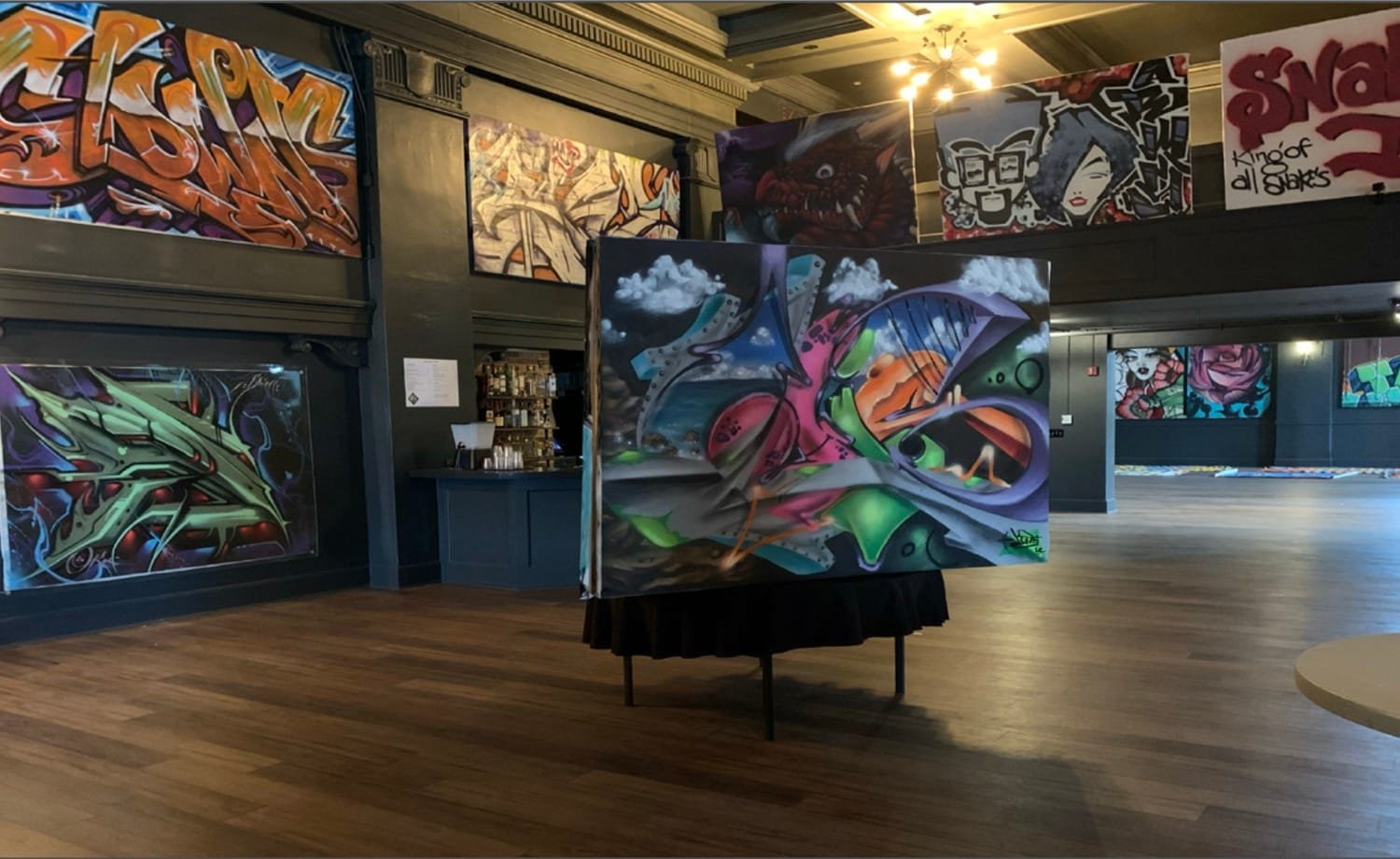
Your journey with street art began in Southern California’s Chicano community in the early 1980s. What first compelled you to start preserving these fleeting works?
Growing up I was very intrigued with the culture and graffiti was a big part of that. I wasn’t necessarily interested in the graffiti itself. However, I have wonderful memories of those nights and celebrations and the vivid colors of the art. In early 2000 I was reading an article about a train tunnel in NY that featured several legends from the early graffiti pioneers, some of whom have already passed. The city had whitewashed the tunnel.
Whether you like or don’t like graffiti, it is modern North America’s only contribution to the art world. Everything else came from somewhere else. An early genre time capsule was destroyed without any consideration of their historical value.
My early plan was to historically preserve as many of the first generation’s famous artworks that had been featured in movies, books and magazines from that time and preserve them as originals on canvas.
As time went on and I began to immerse myself in the art form I realized there was no sensible stopping point. Each generation and region as graffiti spread across the country began to evolve with new styles and messages that told the American story through the eyes of a diverse group of inner-city kids in a physical and often dangerous way. These kids literally risk life, limb and freedom for an art form that the public shunned and I knew it had to be historically preserved.
→ Read our feature on Shoreditch street art scene to see how graffiti continues to inspire new generations of urban creatives.

Graffiti has often been dismissed as vandalism rather than art. What made you believe it deserved archiving and curatorial attention on canvas?
Anyone who studies art knows that every art form, as it evolves, meets resistance from purists who cling to tradition, but the very essence of art is to reflect current societal conditions, mood and shortcomings and is often borne from civil unrest.
Street art is certainly no different. Whether you like it or not, do not dismiss an entire art form. Again this is modern North America’s only contribution to the art world and it had to be preserved.
The Dogtown Collection now spans thousands of works across five decades. How did it evolve from your early encounters with artists into the world’s largest collection?
By accident, I had no intention of building a large collection, certainly not the largest in the world. But once I started researching graffiti and the artists, I knew it was important. I discovered an unknown and unheralded talent in an art subculture that much of society and the art world for that matter had already dismissed. The genre was well documented in many books, but the original art pieces no longer existed. No way for future artists, students and enthusiasts to study individual technique or nuance. Nothing to show the evolution of the artform. No one to tell the stories of these unique creators. And I wasn’t willing to let something as important as an entire country’s original artform vanish into only the pages of old magazines and newspaper clippings. It had to be historically chronicled from beginning to end. It had to be preserved on canvas. I had to finish what I had started.
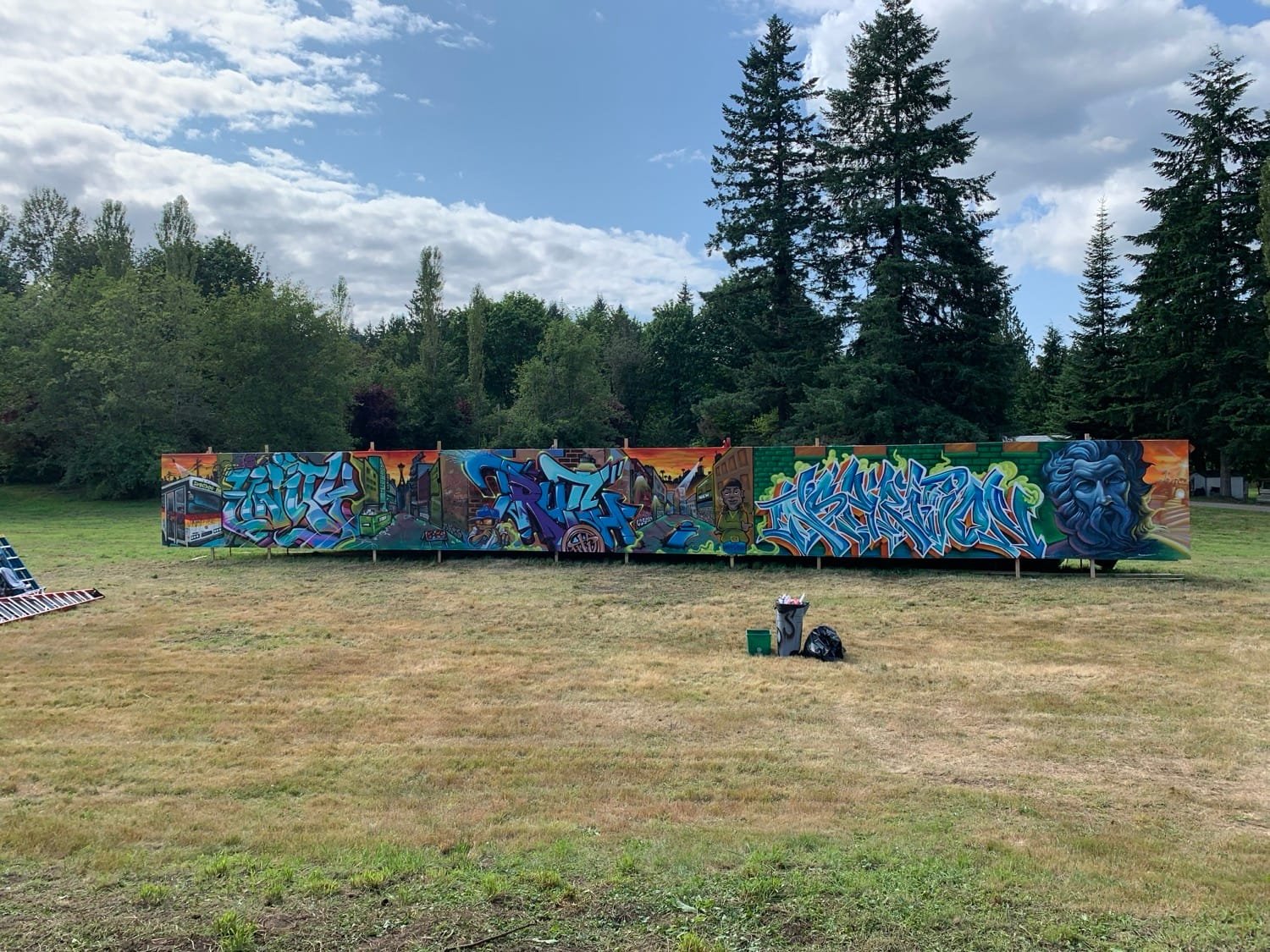
Prophets, Teachers & Kings and the 105-foot Opus of Influence mural are landmarks in graffiti history. Can you share what made this project so significant?
The Opus of Influence, and the Prophets, Teachers and Kings sub collection to me is one of the most unique pieces of art history, not just in graffiti but in the art world. The story is absolutely incredible.
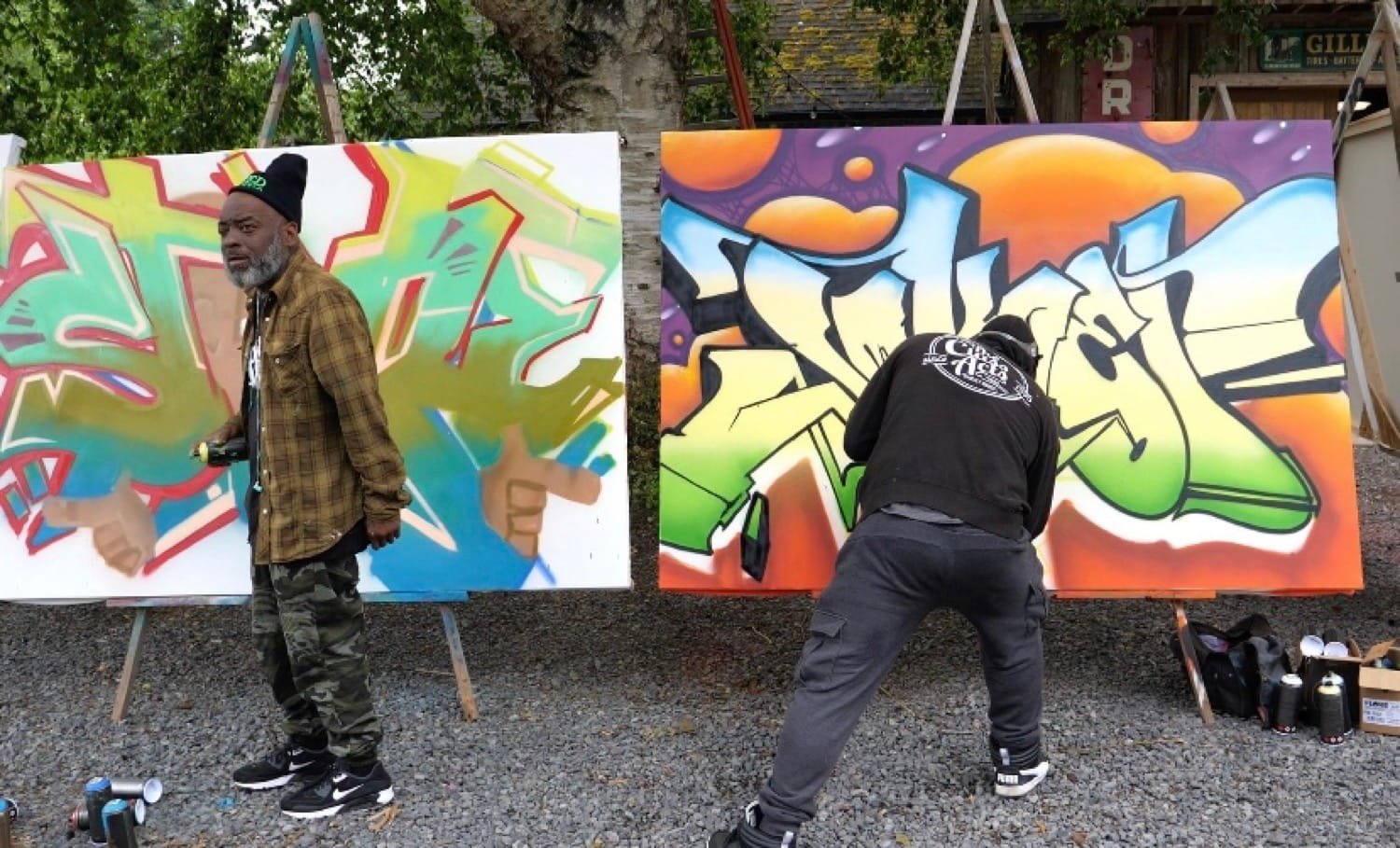
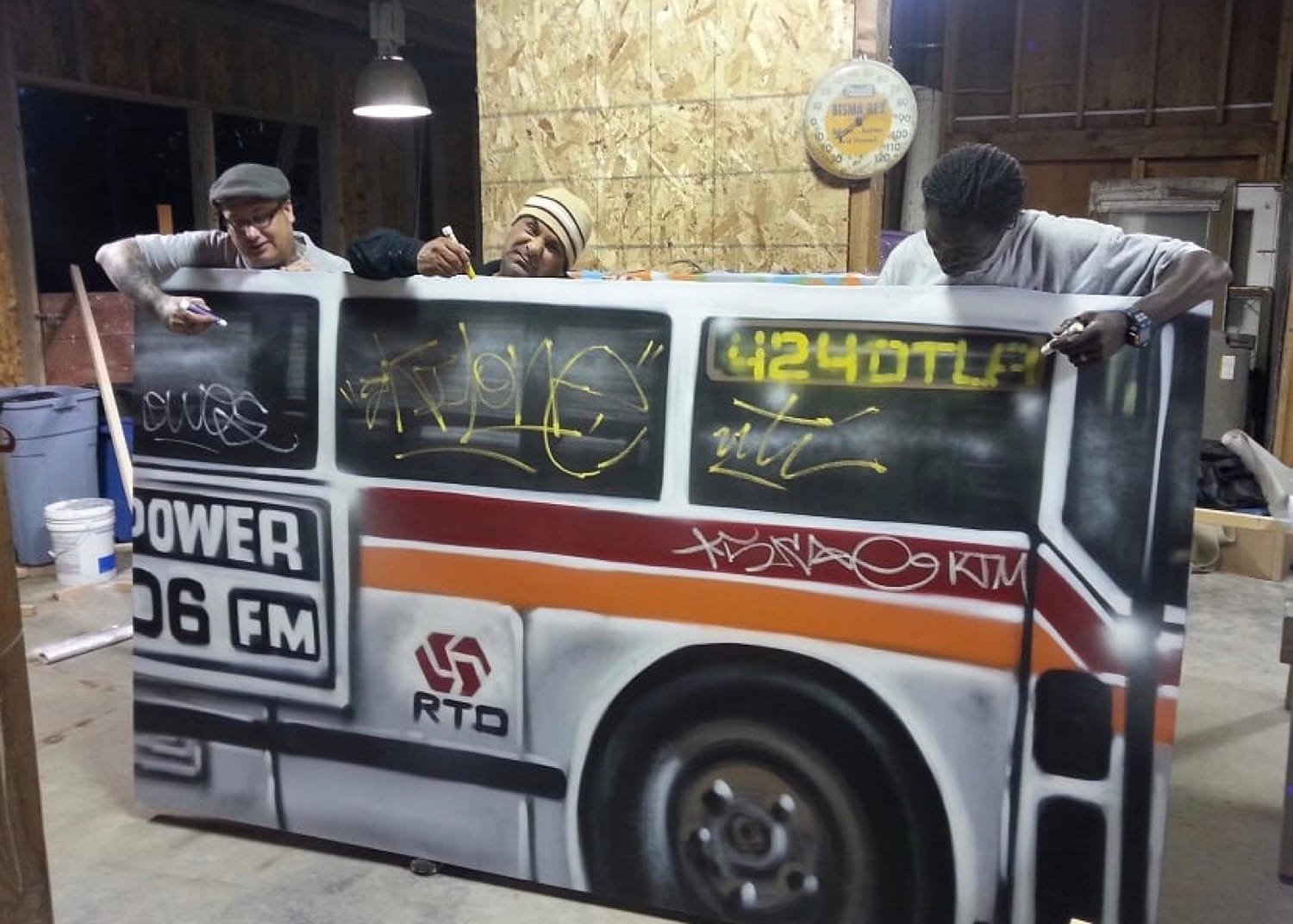
Arguably one of the most notable, early and last underground Los Angeles Graffiti Crews, Under The Influence, sends 50 of their top artists (many whom have passed since) on a pilgrimage from the streets of LA to the farmlands of the Pacific North West to paint a mural featuring their story of the life of a graffiti artist on the largest canvas wall known to exist. Each artist focuses on a portion of the experience. Producing the greatest piece of graffiti history while telling their unbelievable story of the struggles and hardships of their lives as graffiti pioneers in the International Award-Winning documentary Prophets Teachers and Kings. As well as about 100 original art pieces made by each artist individually during the making of the movie.
In my opinion The Opus of Influence will go down in art history as the standing pinnacle of an art genre and the story that will be told far beyond our lifetimes.
Prophets Teachers and Kings was released in Florence Italy in 2020 for the Film Festival circuit but has yet to be released to the public.
You’ve worked closely with legendary figures like Cornbread and entire crews. What were some of the most memorable encounters that shaped your collection?
Meeting early Kings was certainly a highlight. Artists like Cornbread and Snake1 who started the entire artform as we know it. Researching, tracking down and collecting the New York artists was time-consuming but easier in many ways than collecting on the West Coast. They were more open, gave me other names and helped me find artists they or I felt were important to the collection. There are graffiti artists that have crossed over into the mainstream and are easily purchased, that was not at all what I was looking for. If they had a name and their art was in circulation, then I didn’t feel like I needed to represent them. I needed the guys that built the art form that history was about to forget.
Most of my stories, and there are a lot of them, come from collecting the West Coast. For the most part, New York was almost a decade ahead of the west coast in graffiti. Much of the graf scene in LA and Oakland is still very shut off to those not in the culture. There is still heavy gang influence in west coast graffiti. Tracking guys down, late at night, in dangerous parts of town when you are in your 40’s and look like a cop was often precarious.
In the early days, on several occasions I would be throwing names of legends and Kings that I was friends with in hopes that a 15-year-old would hear someone’s name he respected and the entire project didn’t tragically end in some alley of the inner city.
Don’t get me wrong, there are a lot of gentlemen in this art genre, men I am proud to call friends, but this is a tough world these artists create in. But that’s what makes it so incredible.
Srtreet art is deeply tied to community, rebellion, and resilience. How do you see The Dogtown Collection capturing those cultural and social dimensions?
The most important aspect of TheDogTown Collection is that we had the artists reproduce what was either their most recognized piece from their career or an example of a typical piece they were doing in the early days or height of their era. This is how we kept the historical integrity of the collection, many of the artists have additionally done pieces for the collection that reflect their talent or style as they evolved as an artist.
So the DogTown Collection in its very essence is a living testimony to the social dynamics and outward expression at the moment the artist was creating it.
Your daughter Gloryanne, “Baby G,” now plays a key role in curating and helping lead youth programs. How does that generational handover shape the future of AMGRAF?
Baby G has a totally different perspective than I do. Because we often flew these artists in and housed them at our home while they painted the pieces, we had curated from them. She grew up around this art form and the artists. Whereas I studied and collected fine art prior to this collection, Baby G formed a lot of her opinions and learned art appreciation while fully immersed in Graffiti. She and her sister literally shared a dinner table with gangsters from the time they were young. Baby G has built deeper friendships with many of the artists than I have and has kept up with them.
Sadly, many of the artists she knew and loved growing up had short lives, the lifestyle of many of these artists are full of drugs and violence. Many times, I had to break the news to my girls that someone they had just spent a week with and grown to care about had gone home and lost their lives. Baby G now has to do the same for me. It’s rough, but it’s part of what we signed up for. Baby G believes that the art is the lasting expression of the artist and a way for her to tell their story and keep their memory alive.
Looking ahead, what role do you think graffiti and urban art will play in global conversations about culture, identity, and social change?
Well, an artform that started in the streets of Philadelphia and New York is now an international phenomenon. In fact, although I do not collect outside of the American story, I would say graffiti is more alive and well globally than here in the states. It is my opinion that graffiti in its purest form ended for the most part in America sometime around 2010. I am sure there would be those who would argue that with me, but I would say the average age of a graffiti artist is now 45 or 50. Aerosol Paint Expressionism, as I have termed it, continues but I see a lot more mixed media now. Which is all part of the evolution of art.
Much of the rest of the world has embraced graffiti and it continues to grow to this day. I know several old school graffiti guys that now teach classes in other countries about the origins of graffiti.
Just like every other art genre the world has ever seen, Impressionism, or Abstract, they had their moment in the history of Art but they are no less relevant now as they were at the time the first artist did something different, something not fully accepted yet, something others felt was polluting the norm, but we still have artists practicing those styles to this day. Art never dies, it evolves, becomes underappreciated, gets revisited and gains a loving new audience throughout time. Graffiti is no different, some of us love it, others hate it, but it will always have its place in our history, we just wanted to make sure it was still here when that time came.