




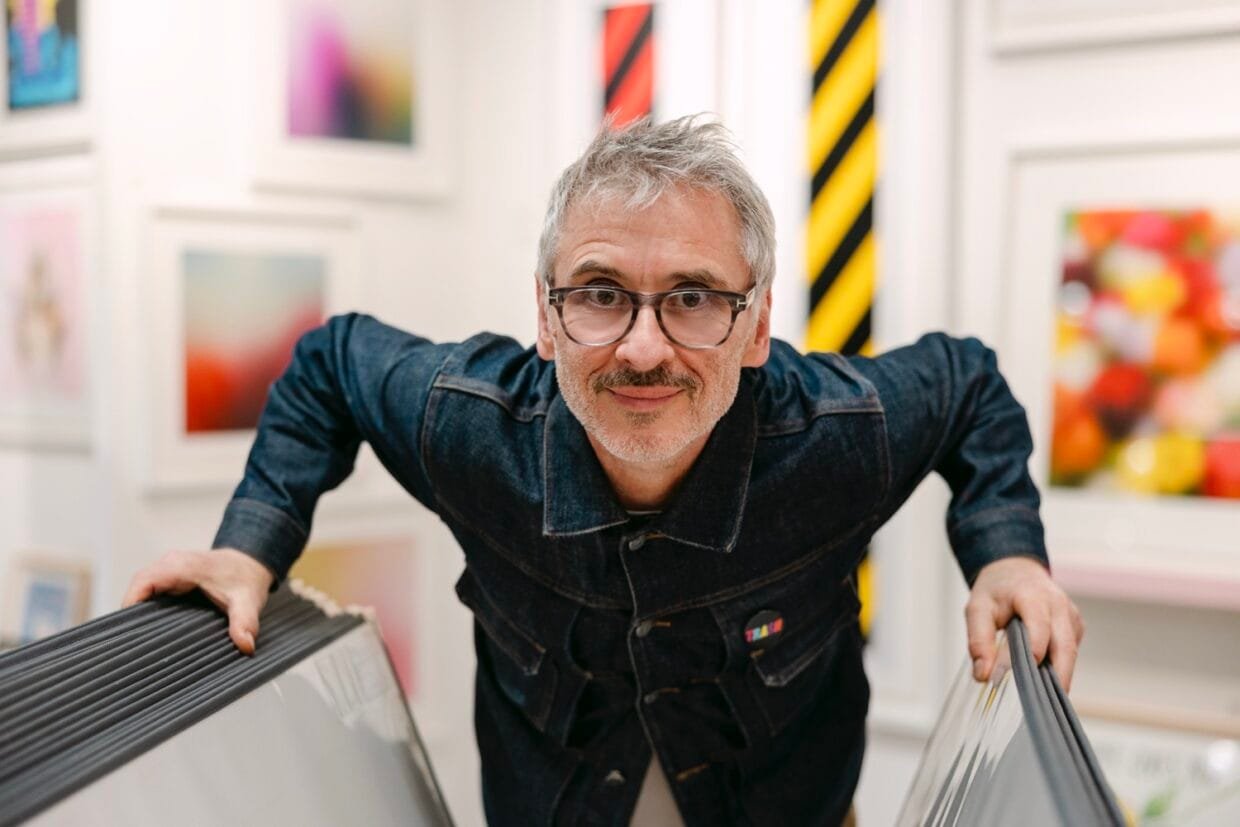
Jealous Gallery has become one of East London’s most distinctive creative landmarks, known for its bold editions, artist-first ethos, and unmistakable personality. At the centre of it all is Dario Illari, whose passion for printmaking and community helped shape the gallery into one of the area’s most influential artistic hubs. From collaborations with major museums to initiatives supporting social causes, his vision continues to evolve while staying rooted in authenticity. We caught up with Dario Illari to talk about legacy, Shoreditch, and the future of Jealous.
Jealous Gallery has become one of East London’s most recognisable creative spaces since its founding. What was your original vision when you started Jealous back in 2008, and how has that evolved over the years?
It came from a passion and love for collecting prints, really. We chose the word ‘Jealous’ because collectors like to show off what they have, but it’s more about the pride of having something special. We wanted to make art that made other people jealous. It’s a strong word and some people said it was negative, but over these years we’ve owned it and people recognise us for it. We’ve grown from that small former carpet shop in Crouch End to the current gallery and three-floor studio space in Shoreditch, working with individual artists, major galleries, museums, charities, and other publishers, but the passion… that’s stayed the same.
→ Explore more interviews with creatives shaping London’s artistic landscape.
Jealous has always stood out for being both a gallery and a print studio. How does that dual identity influence the way you collaborate with artists and produce editions?
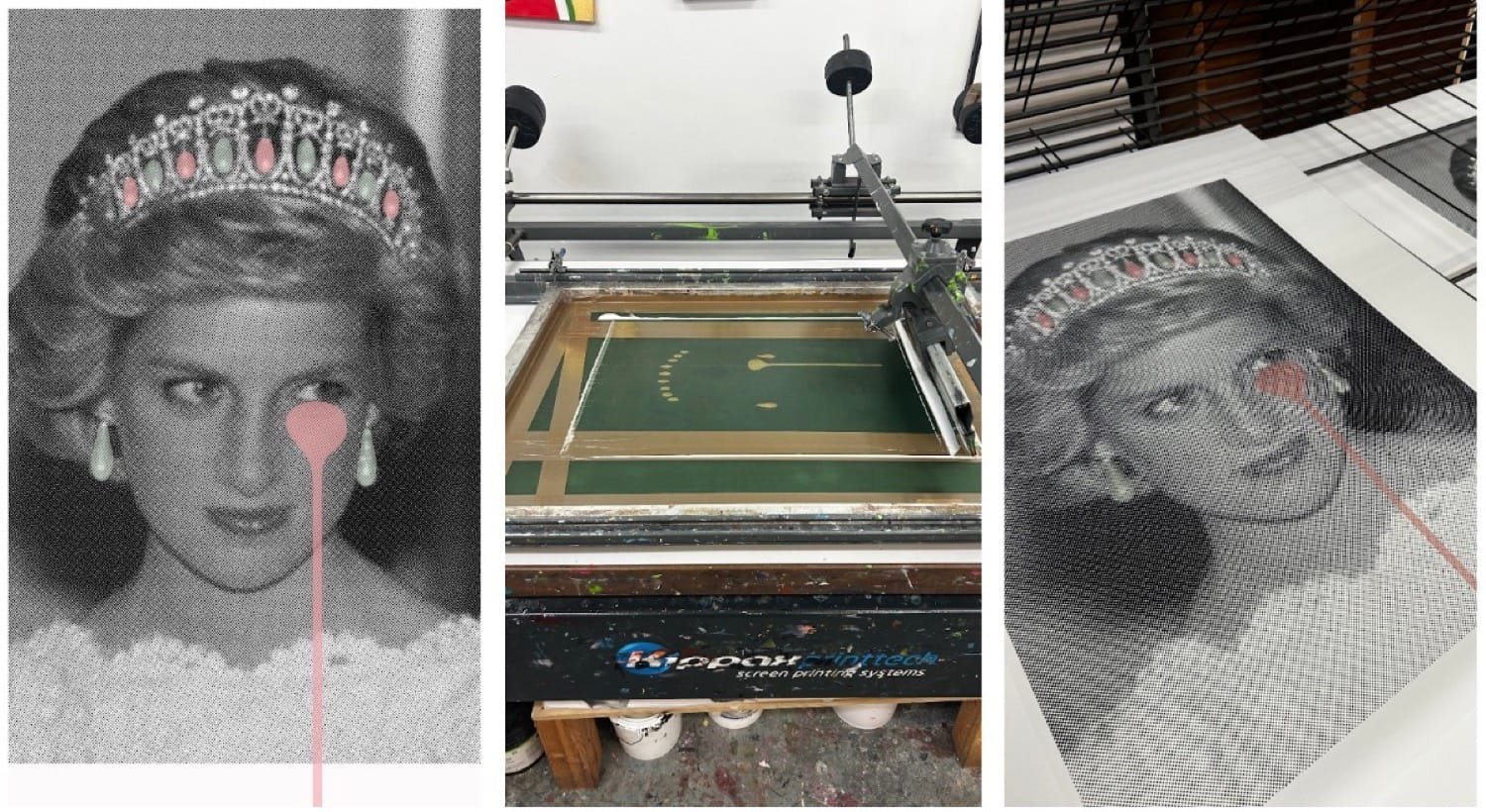
We don’t just show art, we make the art we show, and every print that leaves the Jealous Print Studio has our handiwork in it: it’s a proper collaboration. Having a strong relationship with the artist you are working with is key. There must be respect and openness between the two. When both printer and artist are relaxed and comfortable with each other, they listen, they express their thoughts without worry, and the work moves forward positively.
Your partnership with The Big Issue for Deck the Walls brings together art and social impact. What inspired Jealous Gallery to collaborate with them again, and why does this cause feel so personal to you?
Jealous works with quite a few good causes, but the Big Issue is the one that we hold dearest to our hearts. They always support us as much as we try to help them. We’ve created and sold Big Issue wrapping paper, working with Jealous artists including Pure Evil and Charming Baker, and celebrated their 200 millionth copy, for which we created three collectable covers with Ben Eine and hosted exhibitions for them, too. We were proud to continue doing so this year through our Summer Show back in June, held in a deconsecrated church in Shoreditch just down the road from Jealous and now the Deck The Walls collection. It just feels right.
Jealous has a long history of working with artists who use their creativity to make change. How do you see this project continuing that legacy — especially at a time when art and activism feel increasingly intertwined?
The artists in Deck the Walls are responding to something real. Whether it’s Eelus creating art inspired by his daughter or Dave Buonaguidi creating a print that speaks to feelings many of us have or will experience. They’re about connection and trying to make things better. Isn’t that what we all want?
The Deck the Walls collection features a mix of major names and emerging talents, from Pure Evil and Noel Fielding to Alma Singer and Corbin Shaw. How did you curate such a diverse group while keeping a unified vision?
The criteria we apply are the same that we use for all artists we work with. The art and artist have to be genuine; it’s as simple as that, and I’ll only work with artists I get on with! Each of these artists brings something different, from Magnus Gjoen to Jess Wilson, but they all share that authenticity. In the studio, everyone’s working to make the very best prints possible, and when it’s all for a cause like this, supporting the Big Issue’s work to end poverty, that’s the thread that ties it together beautifully.
Jealous is known for its artist-led ethos. How do you maintain that sense of creative freedom and collaboration even as the gallery’s profile continues to grow internationally?
The studio has to have energy. We enjoy working with both established and emerging artists, some graduates, some more well-known who come from a fine art aesthetic. Yes, we work with major museums and galleries, for example, Saatchi or the V&A: it has Jealous Prize winners’ works in its permanent print collection… they’re all graduates. We still take risks on new artists. That’s what keeps us fresh. The relationships come first, always – I consider the person as a whole, how passionate they are, not just the work.
Christmas is often when people reconnect with art — through giving, collecting, or community. What do you hope Deck the Walls adds to that seasonal conversation?
Christmas should be about connection, shouldn’t it? These prints aren’t just gifts: they’re conversation starters, they support real change. Fifty percent of profits going to end poverty in the UK, that’s meaningful! And you’re getting something beautiful on your wall, something made with care in the Jealous Print Studio. It’s that human condition of collecting, of having something special that makes you proud. But this time, you’re also helping someone else have a better Christmas, and maybe a better future.
Jealous has collaborated with major museums and global collections, yet it still feels grounded in its Shoreditch roots. How important is that local connection to the identity of the gallery?
Our Shoreditch location is really very important. I grew up and went to school in Spitalfields; it was a really small Catholic school run by nuns! I left for a bit, but came back. So many artists moved to the area, and it was a very good area for us to be. Space is very important because creatives draw in other creatives, until a place becomes a hub. Shoreditch has that gravitational pull. We’re part of the fabric here now, you can see our building from miles away, just look for the JEALOUS rooftop letters!
Finally, as Jealous enters another busy season, what’s next? How do you see the gallery’s role evolving within London’s ever-changing creative and cultural landscape?
We keep moving, keep collaborating, keep finding fresh voices. We’ve got more exhibitions coming up: ‘Hazarda Hazardo’ with long–time Jealous collaborator Stanley Donwood opens on the 20th November, showing what he calls ‘Radiohead-adjacent’ works. This will be one you don’t want to miss.
We’ve always been about supporting artists, Jealous shows, releases, art fairs, live-printing at events… making exceptional work, and staying true to our original vision. The future? More of that, basically. More interesting work, more prints that make people jealous. Hopefully, we can do good along the way.