





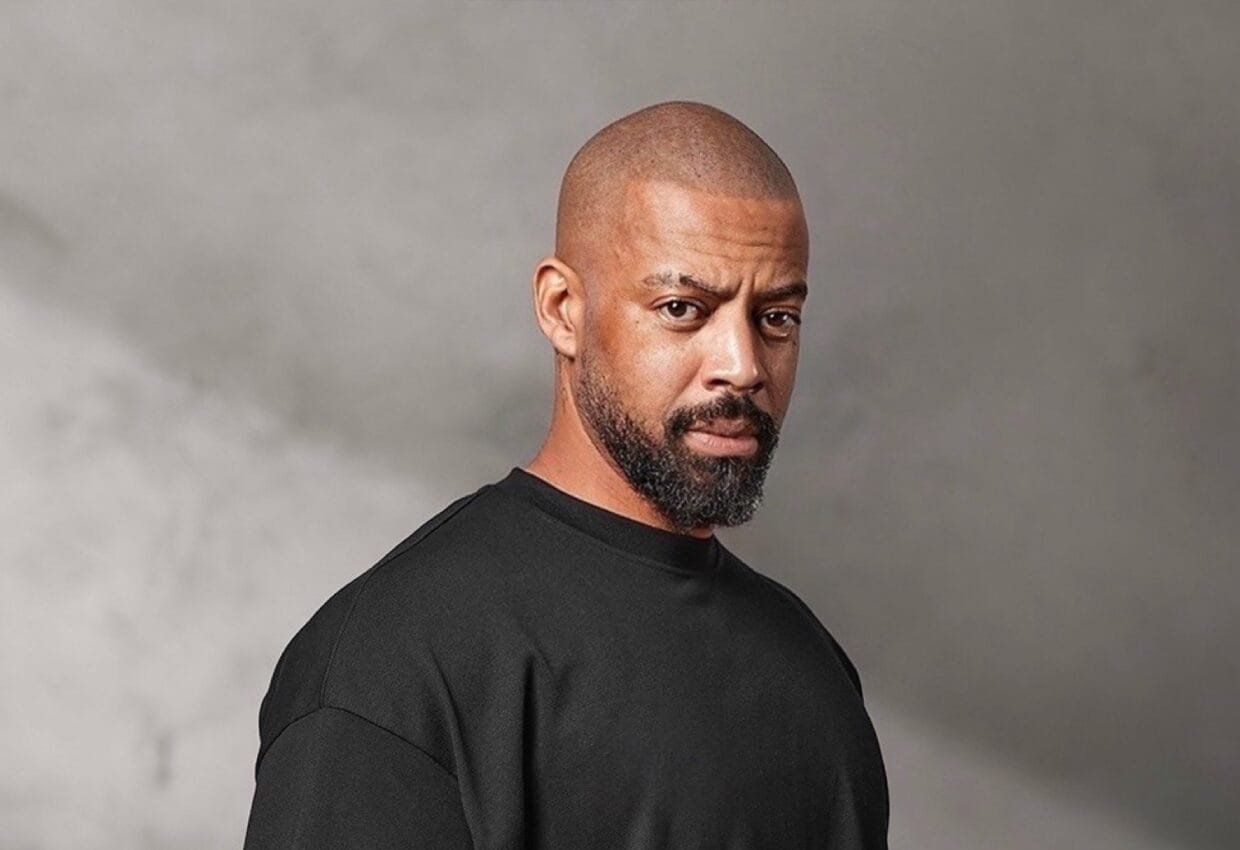
Michael Beckford has created a streetwear brand shaped not by privilege but by survival, discipline, and lived experience. MICHAEL WHSKY® carries the weight of his past while redefining what “London luxury” can look like for a new generation. His pieces merge emotional clarity with intentional design, rooted in honesty rather than hype. To understand the journey behind the brand, we caught up with Michael Beckford for an interview.
MICHAEL WHSKY® was born not from funding but from survival — a rare origin story in fashion today. When you look back at seventeen-year-old you, sleeping rough, what kept you going when there was no safety net?
What kept me going was the belief that the life I was living couldn’t be the final version of my story. When you’re on the streets, survival strips everything back, you really are at the lowest version of yourself and you learn who you are without the noise. I wasn’t driven by hope in a romantic sense; I was driven by refusal. Refusal to be defined by circumstance. Refusal to disappear. That mindset became the foundation of everything I built later and the inspiration for my designs. MICHAEL WHSKY exists because I refused to quit before the story had even started.
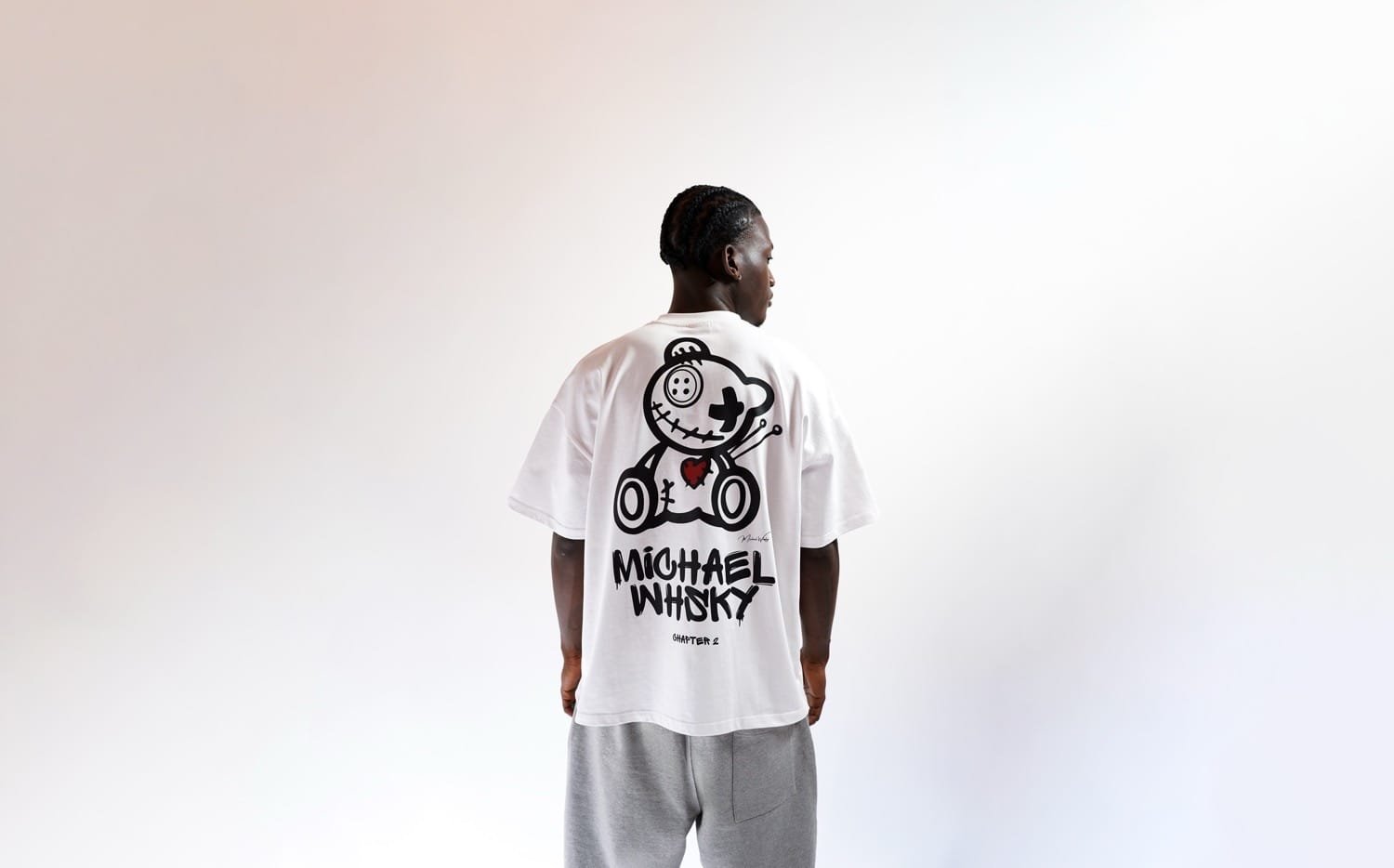
You’ve said the brand was “built on obsession, not opportunity.” How did that mentality shape the way you approached creating MICHAEL WHSKY®, especially in a city where access and privilege often define success?
In London, opportunity is selective. Access is curated. I didn’t have either. I had to start from the ground up. What I did have was obsession, a relentless drive to refine ideas until they felt undeniable. That obsession became my advantage. It meant every design, every shoot, every decision had to be intentional. I wasn’t chasing trends or trying to fit into the industry’s requirements. I was building my own world from scratch, driven by discipline, and emotion. I had a dream and I had to make it happen.
→ Explore more stories of resilience and creativity in our interview with artists shaping the future of London’s design landscape.
From photography to fashion — your creative journey has been unconventional. What was the moment when you realised clothing could become your canvas, your way of telling your story on your own terms?
Photography taught me how to frame emotion, how to capture a moment without altering it. But over time, I realised I was always telling someone else’s story. I was documenting, not creating. The shift happened when I designed a piece for myself, almost as an experiment. The moment I put it on, I felt a different kind of expression; something lived, something moving with me instead of being frozen behind a lens.
That was when clothing became the canvas. Fashion allowed me to articulate ideas with weight and permanence, to build a visual language rooted in my own experiences. Where photography gave me perspective, fashion gave me authorship. It became the medium where my identity, and my obsessions could exist together, not as an image, but as something people could carry into the world and that for me was the turning point. The moment I understood clothing could speak in ways I never could, and that my truth had a place in the world.
Your designs carry a kind of emotional weight — monochrome, minimal, but deeply personal. How do you translate lived experience into graphic form without losing authenticity to aesthetic?
I design from emotion first, aesthetics second. The monochrome, the restraint, the quietness, that’s all rooted in how I process life. I use minimalism the way some artists use colour: to direct attention to meaning. Every graphic starts as a feeling. Then I distill it until only the truth remains. Authenticity is preserved by subtraction. I only keep what still feels honest when everything else is removed
And most of the sketches, around eighty percent, come directly from my own hands. Those pieces of artwork aren’t outsourced or filtered; they start as my interpretations of moments I’ve lived, translated into lines, shapes, and symbols. Drawing is still where I express myself before anything becomes a garment, it’s the rawest version of the story. The clothes are the refined outcome, but the sketches hold the first spark of emotion. And seeing them come to life, moving from a page to a finished piece, is the moment it all connects.
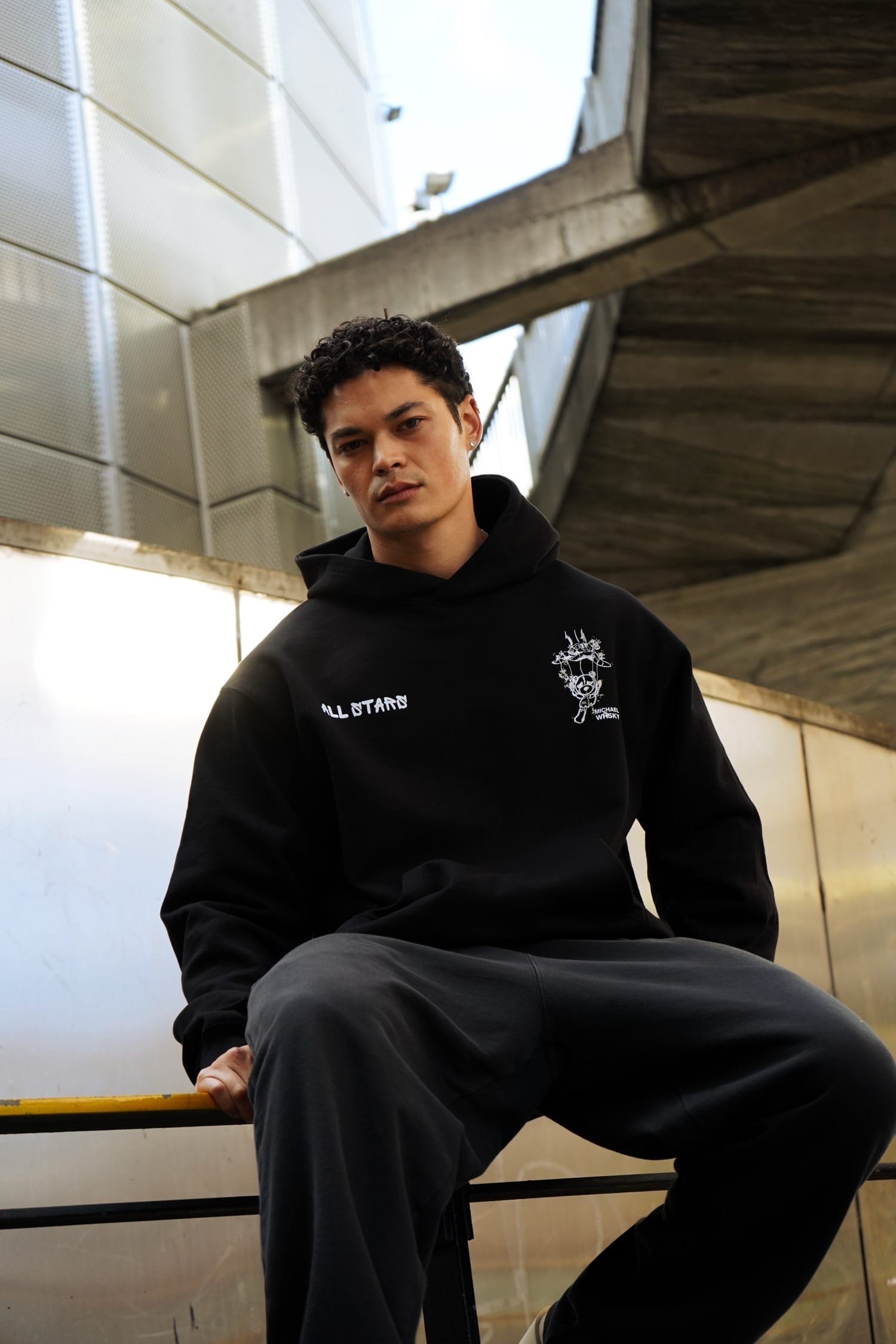
Luxury streetwear is often associated with exclusivity, but your brand feels more about inclusion and shared experience. How do you reconcile the tension between scarcity and community?
For me, exclusivity is about intention; not elitism. Community has always been at the heart of the brand because survival taught me the value of people, not gatekeeping. MICHAEL WHSKY pieces are limited, but the message is open. Scarcity makes the product valuable; community makes the story meaningful. I don’t see them as opposites. I see them as two sides of how people connect: privately through ownership, publicly through identity.
The “Collector’s Editions” series — 1 of 100 — feels symbolic. What does that concept of limitation and permanence mean to you personally, after having come from instability and impermanence?
When you grow up in instability, you learn to value the things that last, the things you can hold onto. Limiting each piece is my way of creating that sense of permanence in a world that once felt unpredictable. “1 of 100” isn’t only about creating hype or exclusivity; it’s a declaration. It says: this piece has a place, a purpose, and a story that won’t ever be duplicated.
London’s streetwear scene has evolved massively over the last decade. Where do you think MICHAEL WHSKY® sits within that ecosystem — and what does “London luxury” mean to you now?
London luxury is storytelling, it’s not just about materials or price points, it’s about the narrative woven into every piece. In this city, the most powerful luxury comes from perspective: the lived experiences, the cultural collisions, the contradictions that shape who you are. MICHAEL WHSKY is built on that truth. The brand doesn’t rely on lineage or tradition; it relies on honesty, on what’s been survived and what’s been rebuilt.
For me, London luxury is the ability to turn a personal journey into something wearable; something that carries meaning far beyond the seams. It’s refinement without losing the rawness, craftsmanship that still feels human. It’s the art of taking everything you’ve lived through and expressing it with precision and intent. That’s the story I’m telling, and that’s where the brand stands.
Finally, what do you want people to feel when they wear MICHAEL WHSKY®? Beyond the fabric, what message do you hope stays with them when they step into your world?
I want them to feel seen, not by the world, but by themselves. The clothes are intentionally stripped back so the wearer becomes the focal point. Beyond the fabric, I hope they carry the reminder that strength can come from struggle, that identity can come from rebuilding, and that their story, like mine – has worth.