






Fireside Tales coincides with the handover of artistic leadership at Punchdrunk Enrichment — how does it feel to step into the position with a project that’s all about imagination and storytelling?
It’s a show that looks to ignite the storyteller in everyone and, in many ways, that sums up Punchdrunk Enrichment’s mission. In my role as Associate Director, it was so clear how Pete (Higgin, Founding Artistic Director) values the imagination as a force for change. That belief has driven the organisation to where it is now and lives in the company’s DNA. It’s a founding principle of all our work and I’m proud to carry that ‘torch’ into our next chapter.
The inception of the show started with a provocation from Pete who was keen to celebrate the age-old tradition of sharing stories around a fire. In the early creation stages of the show, I was hooked on fire as a metaphor for the imagination. Fire is as beautiful as it is fragile — it can dance but is easily doused.
We all have an imaginative flame burning within us but as we grow different forces start to get in its way. Whether it’s phonics, friendships, exams or paying the bills — slowly but surely our imagination starts to take second place to other circumstances. We struggle to find time to be creative. We forget how to play. I hope Fireside Tales marks the beginning of a host of shows that look to empower young people to believe in their imaginative power and inspire their grown-ups to delve into their creativity too.
Punchdrunk Enrichment’s work blurs the lines between theatre and experience — What excites you most about creating these detailed immersive worlds for young people?
I think the most unique aspect of our approach is that we cast the audience as the protagonist in our narratives. It’s their job to move the story forward or help with any given task at hand.
For most young folk, their first experience of theatre is being sat observing a story. This is an alternative way in. We try not to remind our audiences that they are part of a theatre show. Instead, we take the approach of immersing them so deeply into a narrative that they don’t have the time or space to worry about the outside world. Our work runs on the principle of audiences trusting their ideas and instincts to move the story forward.
Earlier in the year, we welcomed school audiences to the show. The feedback from teachers was amazing but across the board highlights children who may have been a little reluctant or hesitant within learning environments really finding their feet after engaging with the characters and the narrative.
Fireside Tales explores the idea of stories as living things — those we inherit, lose, and reinvent. Why did you want to focus on this theme for a family audience, and why now?
As we head into the winter period, we see all sorts of shows exploring festive themes – but there is no older festive tradition than gathering around a fire. It’s no coincidence that so many cultural festivals fall at this time of year. As the cold season sets in, we have an innate need to gather together. It’s a story as old as time itself and one we all innately understand.
I have a strong belief that everyone’s story is relevant and everyone has a right to be heard. In the modern age, we have a lack of trust in the stories that meet us through media and a hesitancy for how our own stories will be received (when posting online, for instance). We wanted to take the principle of sharing stories back to its roots and to celebrate the power of sharing stories communally.
You’ve brought together a dream creative team, including Melissa Simon-Hartman and Mydd Pharo. How did their visual artistry help shape the world of Fireside Tales?
Oh what brilliant minds to work with!
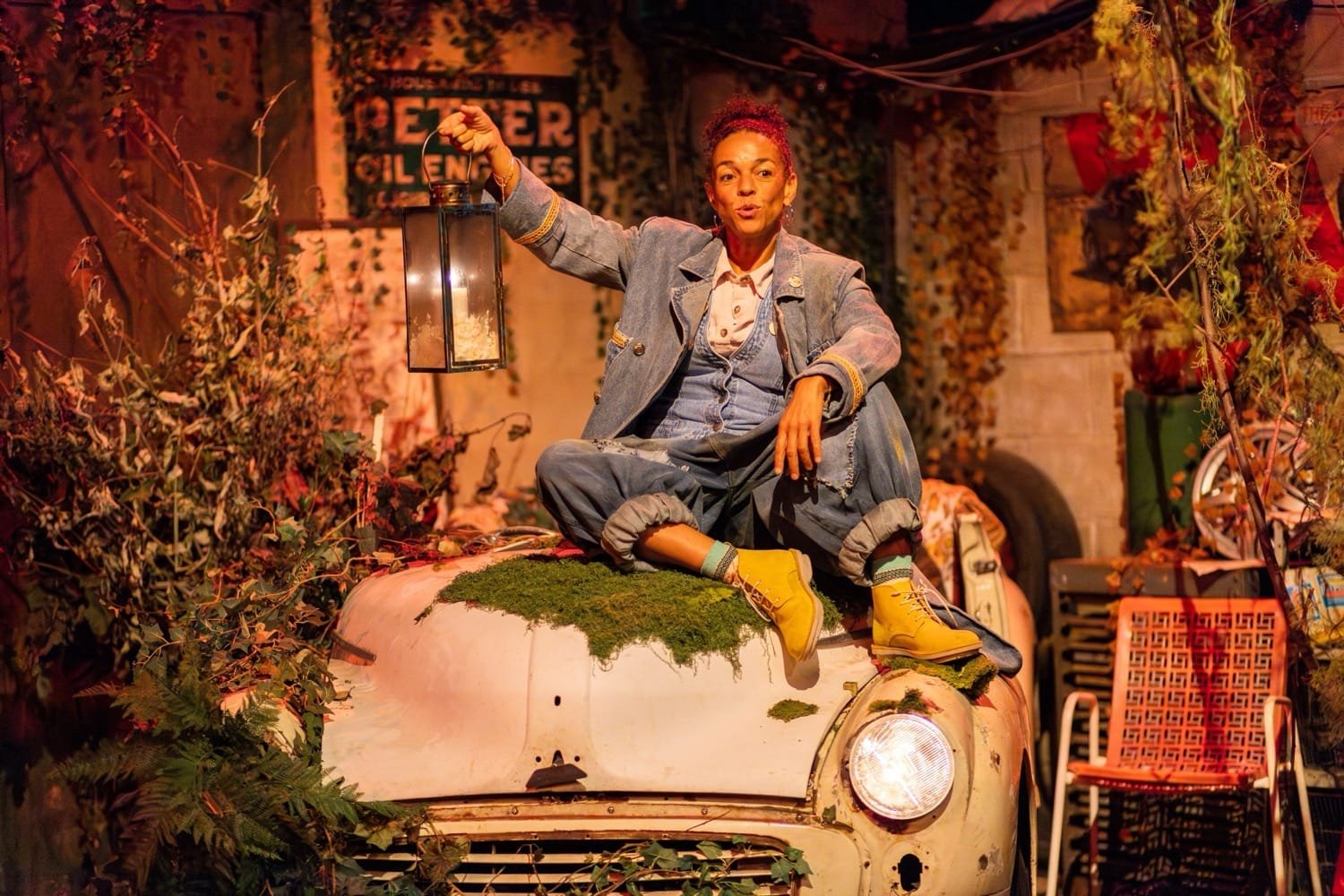
Mydd’s experience in the outdoor theatre world has been critical to the narrative development of the piece. Our story explores the connection between stories and the elements and Mydd has brought this to life in the most beautiful way. We looked at rewilding and nature’s ability to tell its story, despite human intervention. We learnt that Earth stories have the ability to clamber through the concrete and take back their space. There’s not much more I can say without ruining some of the surprises the show has in store for the audience!
Melissa’s astute approach to working with performers to embody their culture and lived experience within the narrative has been invaluable. There’s an old theatre phrase along the lines of ‘you don’t really know your character until you step into their shoes’ – the idea being that when you get your costume shoes suddenly everything shifts. Working with Melissa is the complete opposite approach. She works with the performers to grasp every detail of the character’s appearance. Valuing the actor’s perspective and vision of the character above all else.
I can’t answer this question without mentioning Sarah Readman’s incredible lighting, Dom Kennedy’s encompassing sound world and Joanne Skapinker’s creative soundboarding. The whole creative team have been essential in bringing this story to life.
As a theatre-maker and educator, how do you see the role of immersive theatre in sparking creativity and empathy in young people?
Our work casts the audience as the protagonist. Children aren’t passive observers to the situation around them, they are part of the action — even more importantly, their involvement is critical to moving the story forward.
Project by project, the circumstances young folks need to navigate force them to draw on their own skill set and their own creativity. Sometimes, this might be linked to a curricular activity (like writing adventure stories to lure characters who have escaped from a picture book back to safety) and sometimes it’s a more emotional investment (helping an adult character navigate a tricky circumstance). The work aims to provide children with opportunities that aren’t always open to them in day to day life. As adults, we love to step in — “I’ll do that for you.”
Whilst that adult instinct is a natural one, it’s one that can harbour children’s creativity and quieten their voice. Our work offers a platform for young folk to speak their truth and affect a narrative using their own creative skill or emotional intelligence. Once they see the impact of their thoughts on a character and see the effects of their actions on the narrative, they know they have made that difference. That’s an empowering thing and one I hope they take into the wider world.
Punchdrunk Enrichment has always championed learning through experience. How do you hope Fireside Tales will connect with schools, families, and communities beyond the show itself?
We’re really proud to have developed this work with schools as a collaborator. This started with conversations with local teachers as to what areas of learning they felt were most pressing. We heard many thoughts, but the strongest and most definite call to arms was — “Oracy”. As a theatre company, oracy is in our bones. So we set out to make a piece of work that helped pupils find their storytelling voice.
The feedback we’ve received from schools has been overwhelming and there is a theme that some children who may have been reluctant or distant from engaging in class are finding their voice, finding their way in. I hope that lasts long beyond those pupils’ experience of the show and I hope the same rings true for family and community audiences we welcome over the winter. I’d love every audience member to leave having found something about the storyteller they want to be – whether seven or seventy.
Looking ahead, what’s your vision for Punchdrunk Enrichment under your artistic direction — how do you see the company evolving over the next few years?
I’ve a strong belief in the power of local stories to be globally relevant. I believe the stories of our area deserve a worldwide platform and I’m excited to find new avenues for the stories of our home to travel to new audiences.