






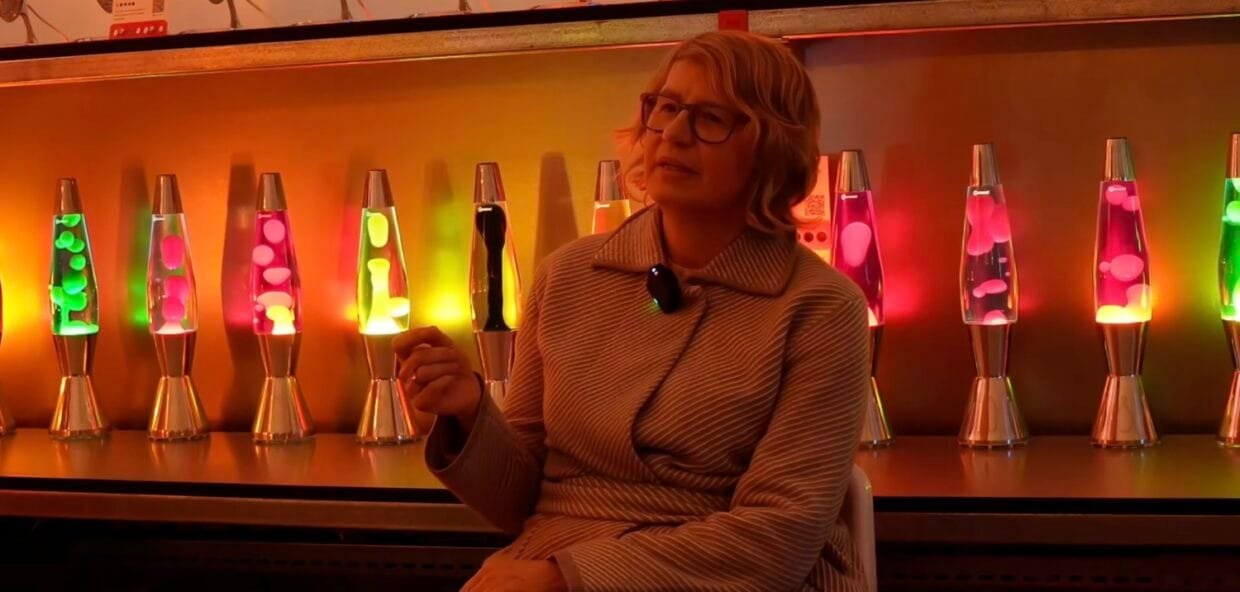
Mathmos has been part of British design history since the 1960s. What does it mean to you personally to be leading such an iconic brand into its next era?
Leading Mathmos means caring for a company with a strong character, a long history, and a loyal and diverse community. That brings a real sense of responsibility. The role is to protect what makes Mathmos unique while finding thoughtful ways to move the brand forward. As we explore new collaborations and new products, I’m always conscious of balancing innovation with the values that have guided us since 1963.
The collaboration with Sabine Marcelis is a bold reimagination of the lava lamp. How did this partnership come about, and what drew you to her design vision?
Sabine has a unique, calm, pared-down style, combined with a command of colour, that offers a fresh perspective on our lava lamps. We have worked together in the past to create limited-edition Astro lava lamps, including a lamp for VitraHaus Loft in a deep burgundy colour, and another in white and yellow to celebrate Mathmos’ 60th anniversary.

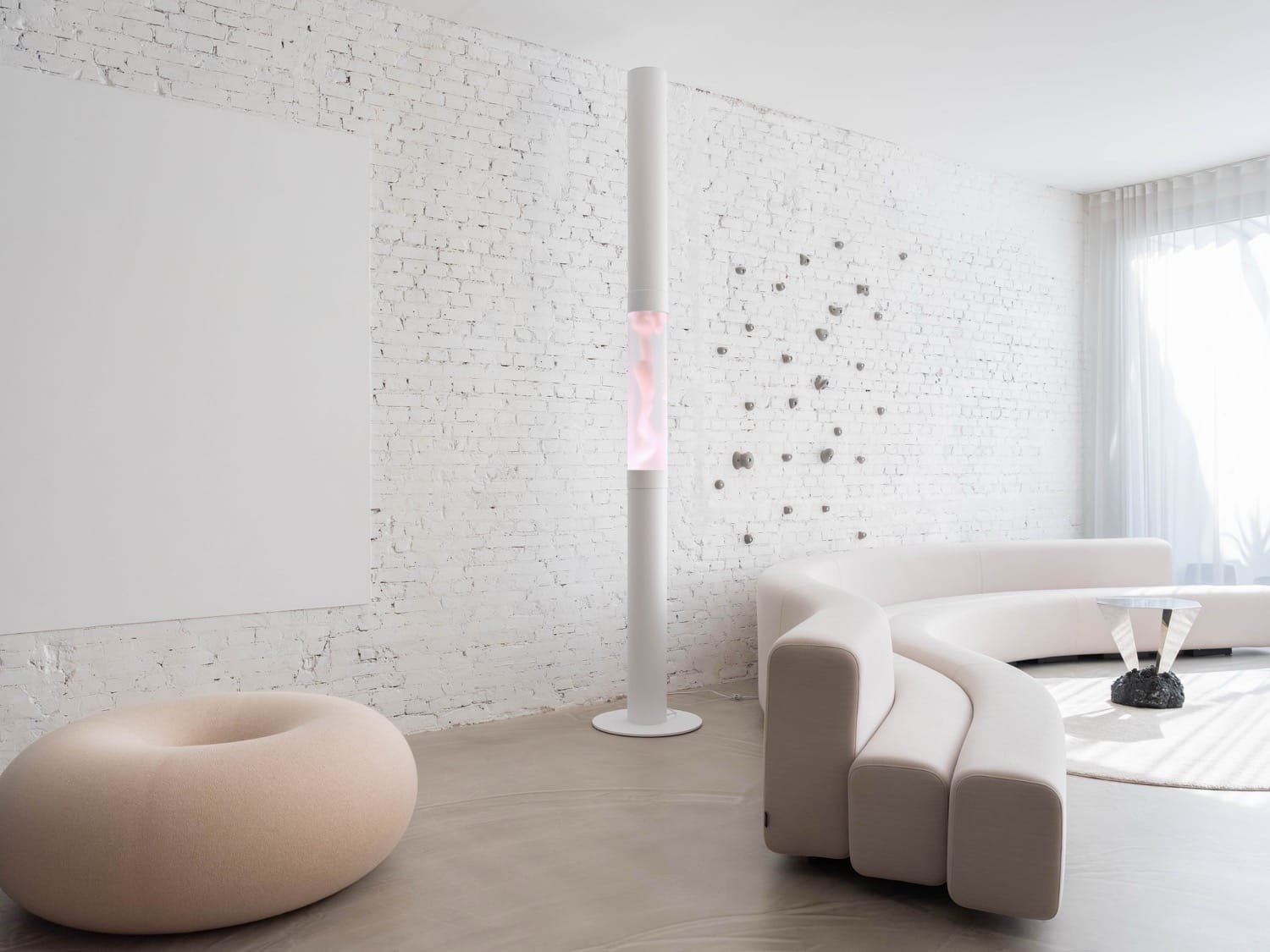
We wanted this new collaboration to be something slightly different. The limited-edition Astro in honeydew and giant Column lava lamp allows collectors and design lovers to bring Marcelis’ signature aesthetic into their spaces, both as a large-scale statement piece and in the classic 1963 format.
The Column lava lamp pushes the boundaries of what we expect from lighting design. What were some of the technical or creative challenges in bringing this oversized vision to life?
Creating a lamp at this scale meant rethinking almost every aspect of production. The height alone posed structural and optical challenges, and we needed to ensure the flow remained calm and consistent throughout. Balancing the ambition of the piece with the soothing quality people expect from Mathmos was central to the process. It is about maintaining that standard in lighting design that our history demands.
Why was it important to you that both the Column and the new Astro edition remain fully made in the UK?
Mathmos has been proudly manufacturing in Britain since we invented the lava lamp in 1963, and that commitment is fundamental to who we are. Producing locally allows us to uphold the quality standards we’ve built over six decades. Keeping production in the UK also helps preserve the craft that defines our brand.
With collectors and design lovers in mind, how do you balance nostalgia and innovation when developing limited editions like these?
We try to preserve the essence of what people love about Mathmos while inviting them to see it through a fresh lens. Limited editions give us room to experiment, whether that’s Sabine’s sculptural aesthetic or the vinyl-inspired design cues of our Rolling Stones lamp. It’s about deepening the emotional connection to our classics rather than reinventing them entirely. At the same time, the boundaries between creative worlds, music, art, design, and fashion have become more fluid. Our recent collaborations reflect that shift.
Mathmos has a global cult following. How do you keep the brand feeling fresh and relevant while staying true to its heritage?
Collaborating with contemporary creatives brings new perspectives to our iconic forms. At the same time, we never lose sight of the magic of the original Mathmos designs. Whether it’s a modern design visionary like Sabine or cultural icons like The Rolling Stones, the goal is always to extend our legacy in ways that feel exciting but unmistakably Mathmos.
What advice would you give to other creative entrepreneurs looking to collaborate across design and manufacturing, especially in a legacy-driven space?
Choose partners whose values and approach align with your own. Collaboration should open up new ideas, but it should also reinforce the essence of what you do. If you stay clear on your identity, experimentation becomes far more productive. This is vital for any creative entrepreneurs looking to build something lasting.