






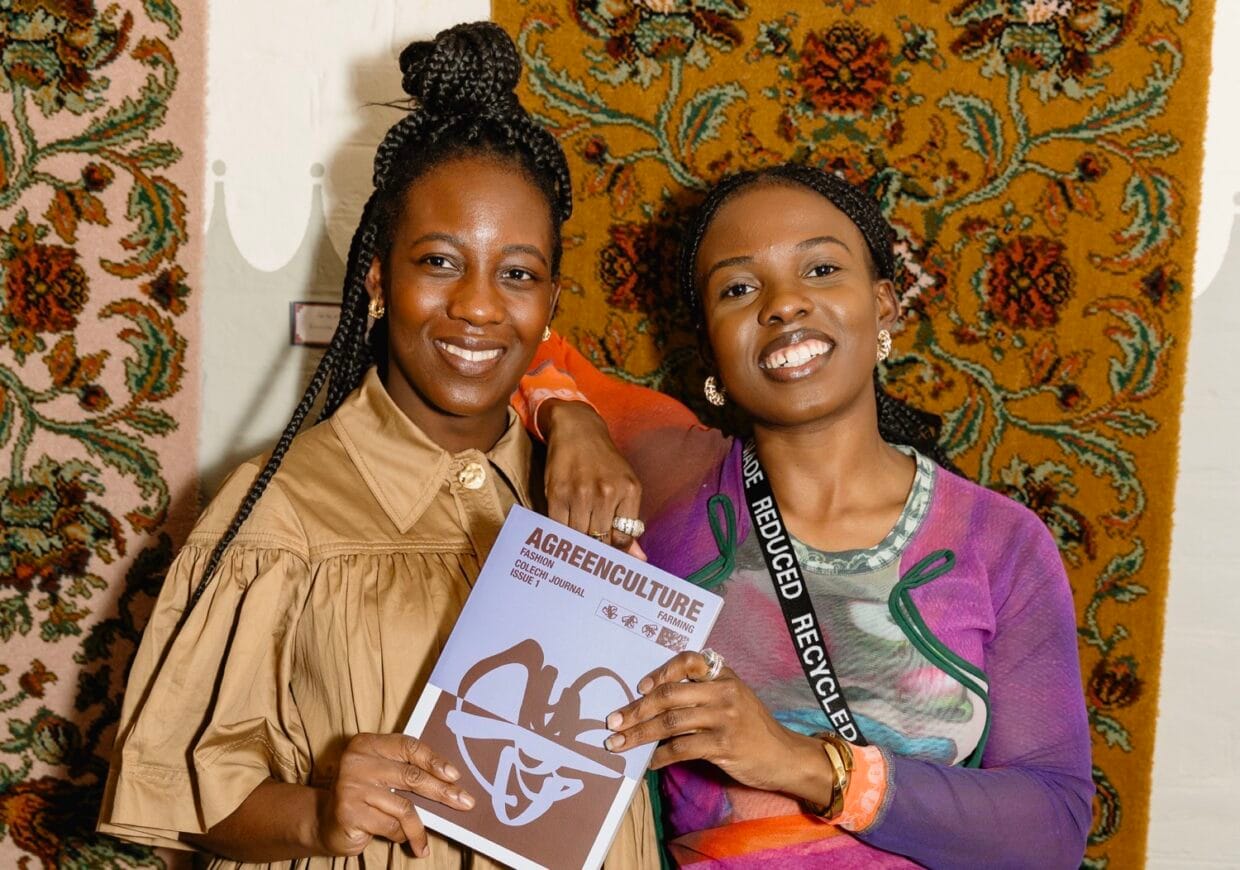
Sustainable fashion is a buzzword, but for Piarve Wetshi, it’s a life practice rooted in care, community, and transparency. As co-founder of Colechi, a research agency and creative collective, she’s been quietly but powerfully reshaping how fashion is discussed and done. From farm-to-fabric conversations to launching Last Yarn, she brings honesty and humour to every initiative. We caught up with Piarvé Wetshi to talk about her journey, textile waste, and why knitting clubs might just change the world.
How did your journey in sustainable fashion begin, and what personal values drive your work at Coléchi and Last Yarn?
My journey in sustainability started when I decided to save some money by reducing the amount I spent on clothes; I decided it was worthwhile to spend more on better quality items or buying from friends or small businesses, or even sewing simple outfits; over buying lots of cheap items often. This was over 8 years ago. Investing in better quality items, led me to the work of Fashion Revolution, whereby I was exposed to the exploitative nature of the fashion industry and how poorly people were paid and treated within some parts of the supply chain. This led me on an ongoing journey to buy better and to ask questions along the way. Colechi started because we wanted to learn about how fashion could be better, and we wanted to bring people along on the journey with us; years later Last Yarn began because we wanted people to find a better way to circulate their fabrics.
I would say people being treated fairly has been at the centre of what I do.
Coléchi is both a research agency and a collective. How do you balance critical thinking with community-led action?
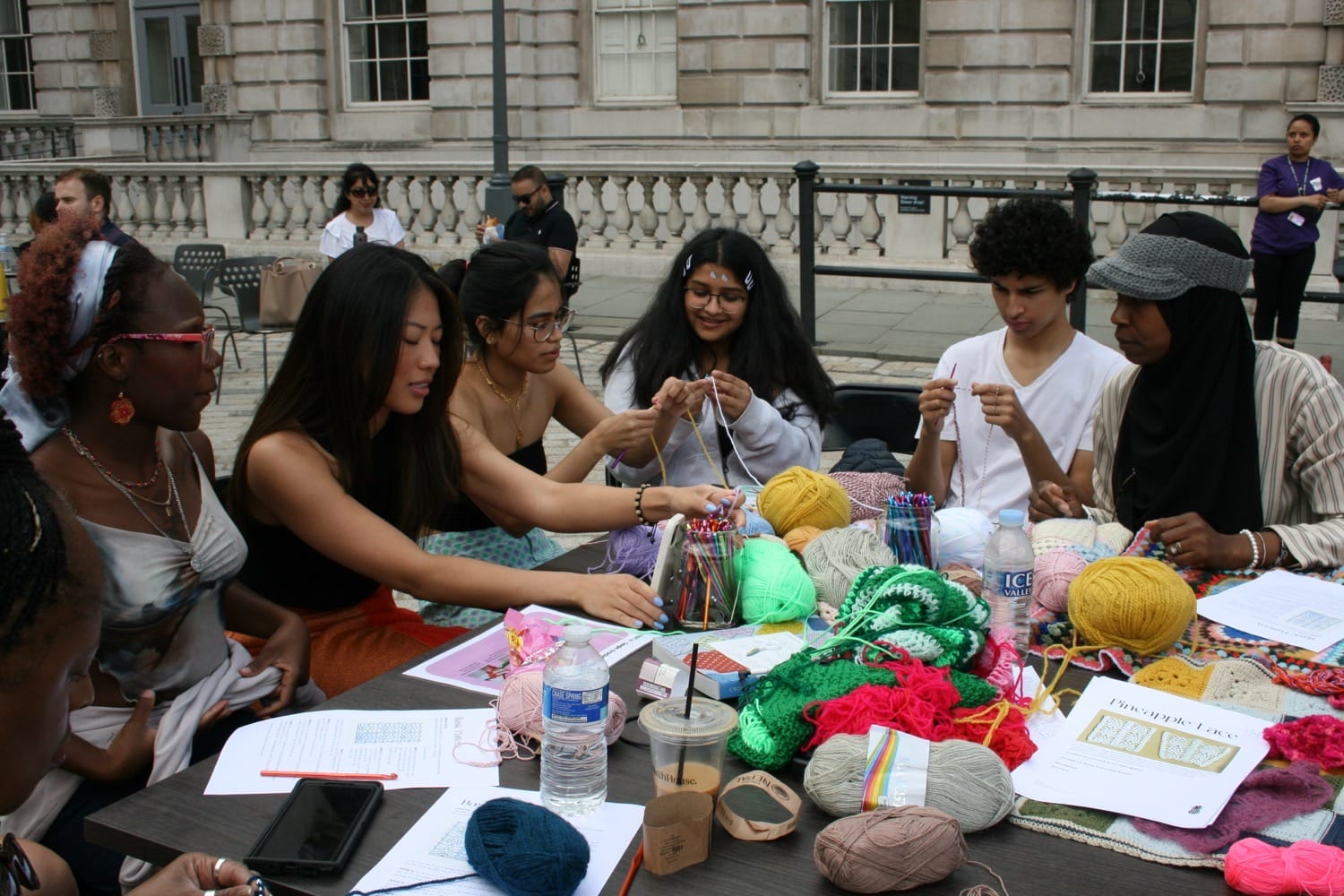
This can be difficult, as some of our research projects are so theory based, that there isn’t an outlet for them yet. But we find that research allows us to ask big questions, look for solutions and engage in trial and error – and usually years later we start to see some of the research unfold as trends. When it comes to community, it is more about doing, than thinking. So whatever theory we can action, that is what we do. That is exactly how our knitting club started – we wanted to learn about the knitwear industry, and learn how to knit – and so our knitting club, YKWU (You can Knit with Us) was born. We wanted to understand the connection between fashion and agriculture – and so our farm trips came to life, which started out as a summit and print journal and became the AGREENCULTURE campaign. We are always thinking about how people can engage in the conversation in a guilt free, and relatable way.
You’re part of Somerset House’s Talent 25—what excites you most about being named one of their Innovators & Pathbreakers?
Somerset House was a huge part of my journey after the pandemic. We hosted our annual Clean Fashion Summit there over the past 3 years, and we have connected with so many people we wouldn’t have otherwise, simply because we are at Somerset House, a hub of culture and creativity. So being part of Talent 25 is a reminder that we are working towards something meaningful, sometimes as a small business with a big mission it can feel overwhelming – but this programme has reminded us that people actually want to know what’s next and support the journey we are on. I also love meeting new people, so knowing the other 4 awardees has been great.
Last Yarn tackles textile waste head-on. What are some of the most surprising things you’ve learned about surplus materials?
I think the fact that polyester makes up so much of the clothing we wear. It might not seem like a big deal, but it is harder to recycle and it is ultimately wearing plastic. It is hard to find pure fabrics, as everything is blended these days. It’s usually 20% this and 10 percent that and the rest is 70%. Recently I have been thinking more about how my clothes feel on my skin. With the recent heatwaves I have LOVED the feel of linen and cottons, then I will wear something with polyester and I feel it stick to me – and I realise that knowing materials and compositions helps me make better practical clothing decisions. Similarly with wool – my pure wool blankets are like self made heaters in the winter because they are so warm – and I have encouraged everyone to try one pure wool jumper vs multiple layers of polyester jumpers – I’ve often needed less layers when I go for wool. Polyester makes up a significant portion of the materials used in our clothes, accounting for approximately 52% of global fiber production. Throwing polyester fabrics or polyblends becomes a bigger problem because they take so long to biodegrade – taking anything up to 20 years to 200 years. Whilst cotton for instance, can take 1-5 months to biodegrade in the right condition. So it has become important for us to keep some of these polyblend fabrics in circulation or in use as much as possible to avoid them needing to go into landfill and float around in our oceans.
Sustainability in fashion often comes with contradictions. How do you navigate the tension between progress and greenwashing?
At Colechi we talk about language a lot, especially as our work spans out of the sustainability echo chamber. Yes, we interact with the industry, and there is a time and place for jargon – but actually most people prefer it when you spell it out and say what you mean. If I see a label that says that the T-shirt in front of me is “made ethically” – I want to know what they mean. Did you pay the farmer or worker fairly? Did you use natural dyes? Did you use a fabric that used zero chemicals? I question, which part of the supply chain they are talking about – because it is hard to be 100% sustainable, but you can be more truthful and thoughtful – and you can use your platform to teach people as well as entertain.
The good news is that more brands and organisations have inhouse sustainability teams – these are new departments that have the exciting opportunity to shape how we track, record and share sustainable development – I think we need to pause every now and then and acknowledge the progress we are making – but so much more needs to be done and that will take a group effort by getting all departments to take ownership of their own sustainable goals. We run workshops that allow people to find their personal connection to sustainability – as this will seep into the work that they do.
Coléchi’s work connects industry professionals and everyday consumers. How important is that cross-sector dialogue in driving change?
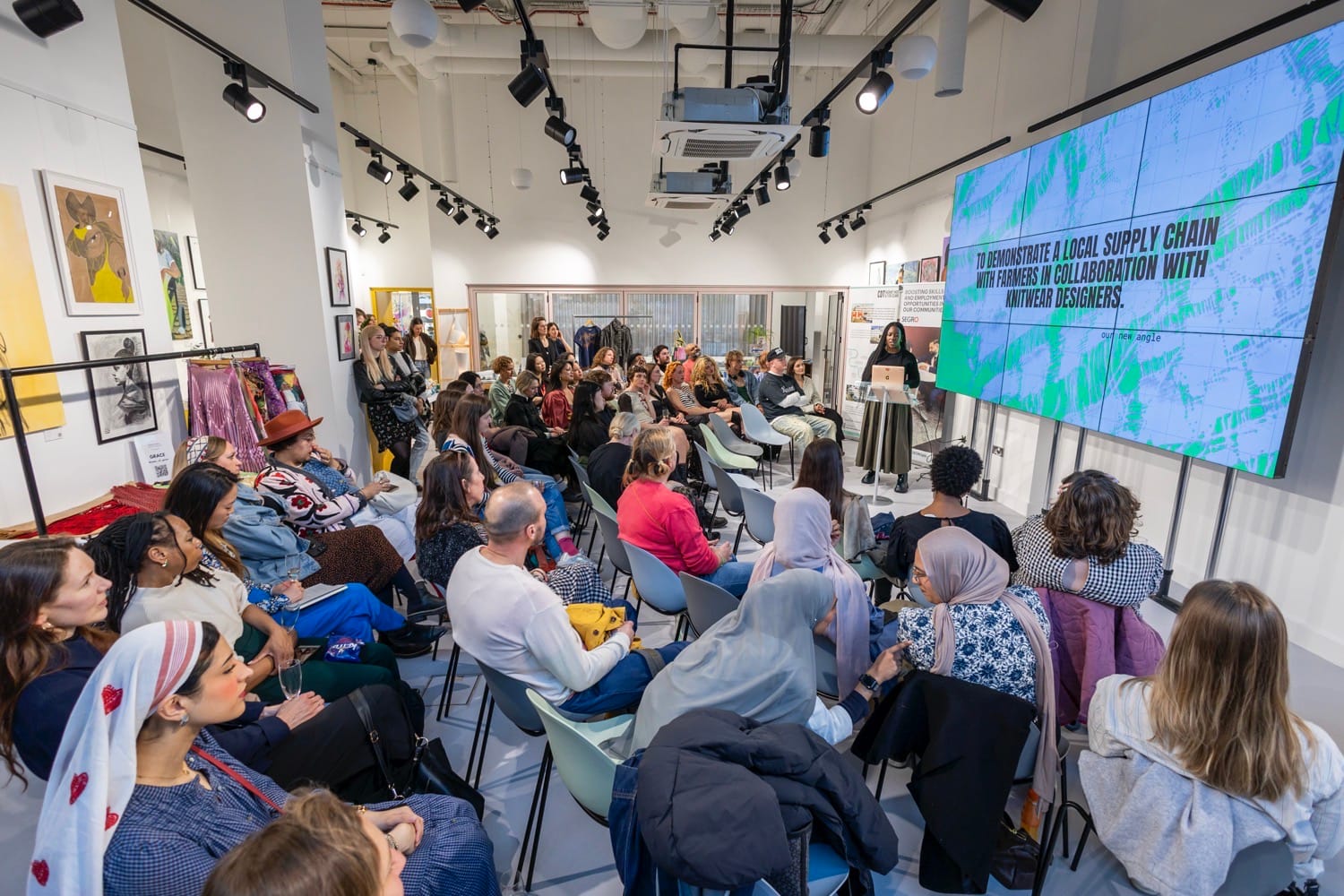
It is important, because ultimately we are having this conversation because we are witnessing huge changes – from climate change causing extreme weather conditions; but we are also facing polycrisis. So I think that dialogue is more important than ever, because professionals can make changes through their work, but they need to know what is happening on the ground and what people want – and as consumers, we often forget that we have power too.
What does success look like for you—both creatively and in terms of impact?
At this point growing our community of people and having meaningful collaborations. We want to work on larger projects that have more influence on areas such as policy. We have such a strong in-person community and we are working towards a third space – so having a hub is also on the agenda. We will be sharing the impact that our knitting club, YKWU has had, we only started it to learn how to knit and it now has a community of its own, and has positively impacted people in more ways that we could have imagined. So capturing, sharing and highlighting that there are many ways we can experience fashion is important to me.
What are you currently exploring or experimenting with that’s pushing your thinking in new directions?
At the moment I’m learning how I can work with a UK farmer and how a collaboration directly with a farmer can work. We are so used to outsourcing our textiles and garment industry needs, that it is hard to work with a UK farmer. I am also working on a textile and food garden in London. This will mean that we can bring some of our learnings from our AGREENCULTURE campaign and highlight where a majority of our textiles come from.