



Brad Walls never set out to be a photographer. With no formal training, his journey began not with a camera, but with a drone — a device that unlocked vivid, structured visions he felt compelled to capture. From the sky, patterns, symmetry, and scale became a language, and aerial storytelling took on a breathtaking new dimension.
How did your journey as an aerial photographer begin?
I never set out to become a photographer in the traditional sense—I never studied or formally trained. But after picking up a drone in 2017, something clicked. I began having vivid, structured visions that I felt compelled to bring to life. It wasn’t inspiration in the usual sense; it was more like a pressure, an itch to materialise what I was seeing in my mind. Creating became less of a choice and more of a necessity.

What originally drew you to the bird’s-eye perspective?
I have always been fascinated by patterns, symmetry, and the way scale shifts when you change your vantage point. The bird’s-eye perspective reveals shapes, connections, and stories that are invisible from the ground. When I first saw the world from above, initially through a drone, it felt like unlocking a hidden layer of reality. That sense of discovery was addictive, and it is what keeps me coming back to that perspective in my work.

Do you see yourself more as a photographer, an artist, or a designer?
I try not to get too caught up in titles, but I feel most closely aligned with being a designer.
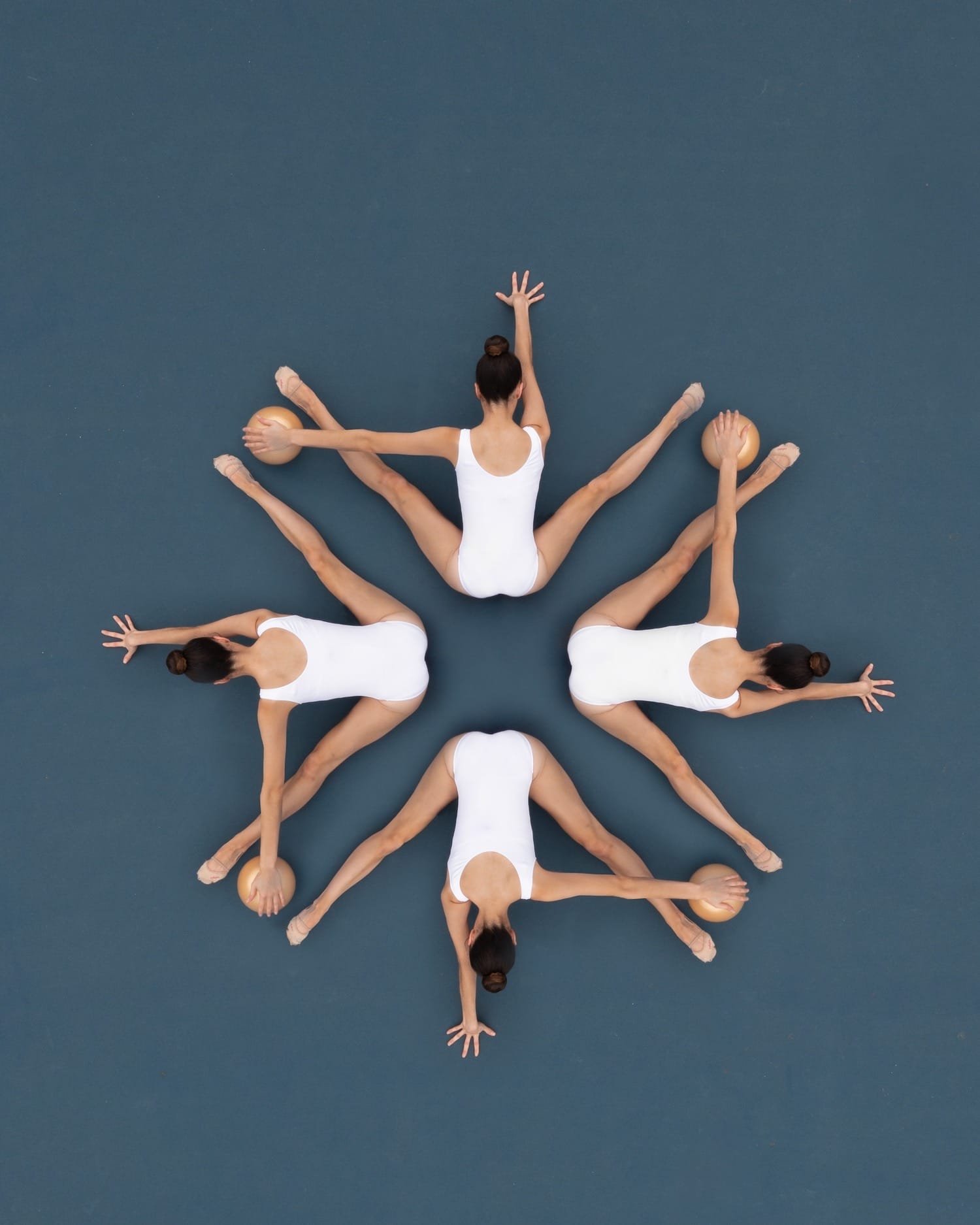
What was the first image or idea that sparked PASSÉ?
The first vision I had was for the main image, which I call The Big One three concentric rings of ballerinas, with 50 dancers in the frame.
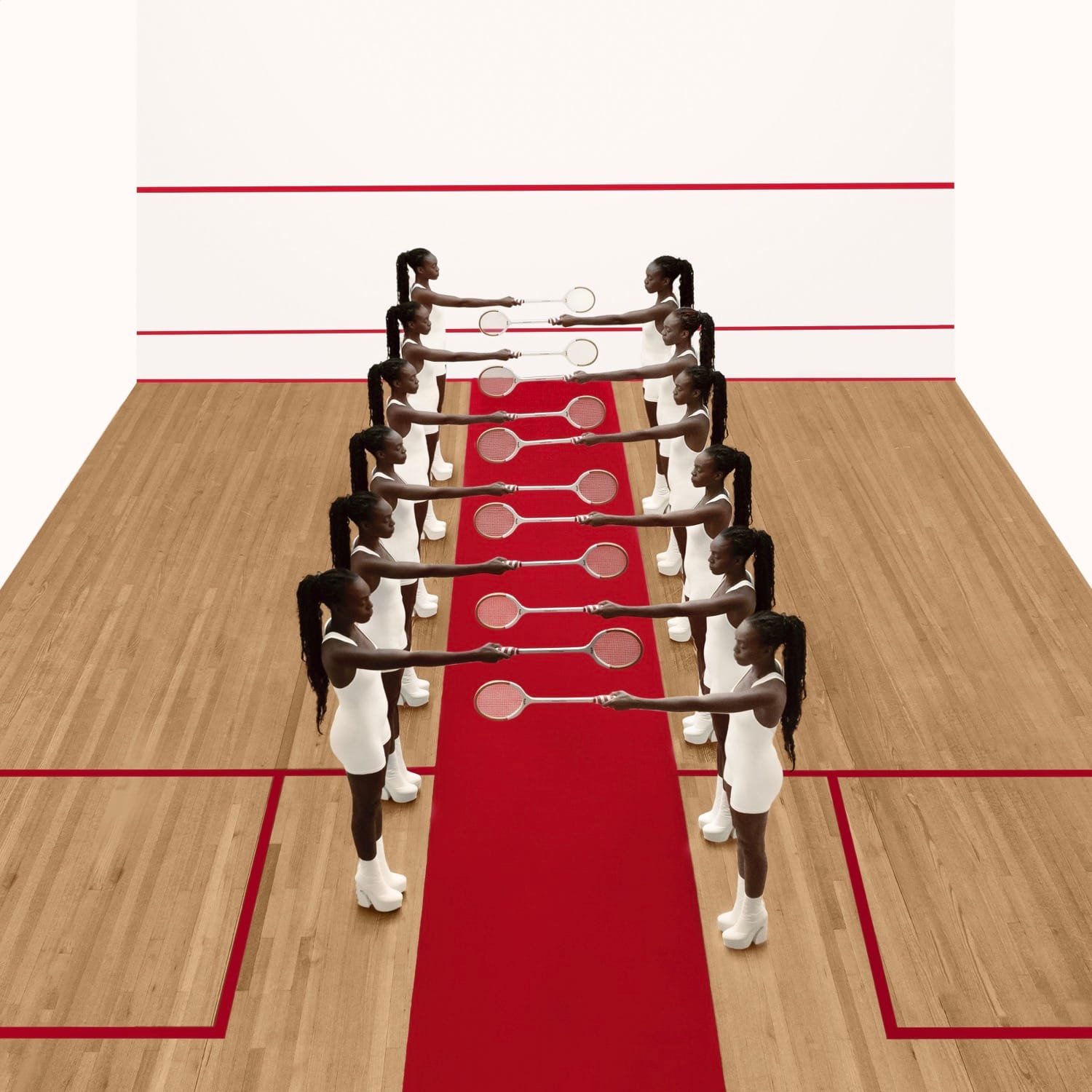
Tell us about the scale of production—it sounds enormous. What was that like logistically?
It was by far my largest production to date, taking over six months of preparation. We had a crew of 10, a cast of 65 dancers, and a choreographer. The set featured a football-pitch-sized red carpet, one of the largest light bounces ever designed, 12 strobes, and a 60-foot crane. Logistically, it was a huge undertaking every element had to be choreographed as precisely as the dancers themselves

Do you think PASSÉ has changed your relationship with your own art?
Yes, It’s taught me to slow down and appreciate each piece.
For Walls, the sky remains a place of infinite possibility — where each project is a chance to redraw the lines between art, design, and photography. PASSÉ may be his most ambitious work yet, but it’s only one frame in a much larger vision.