


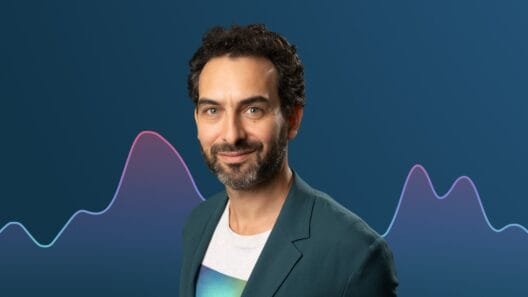

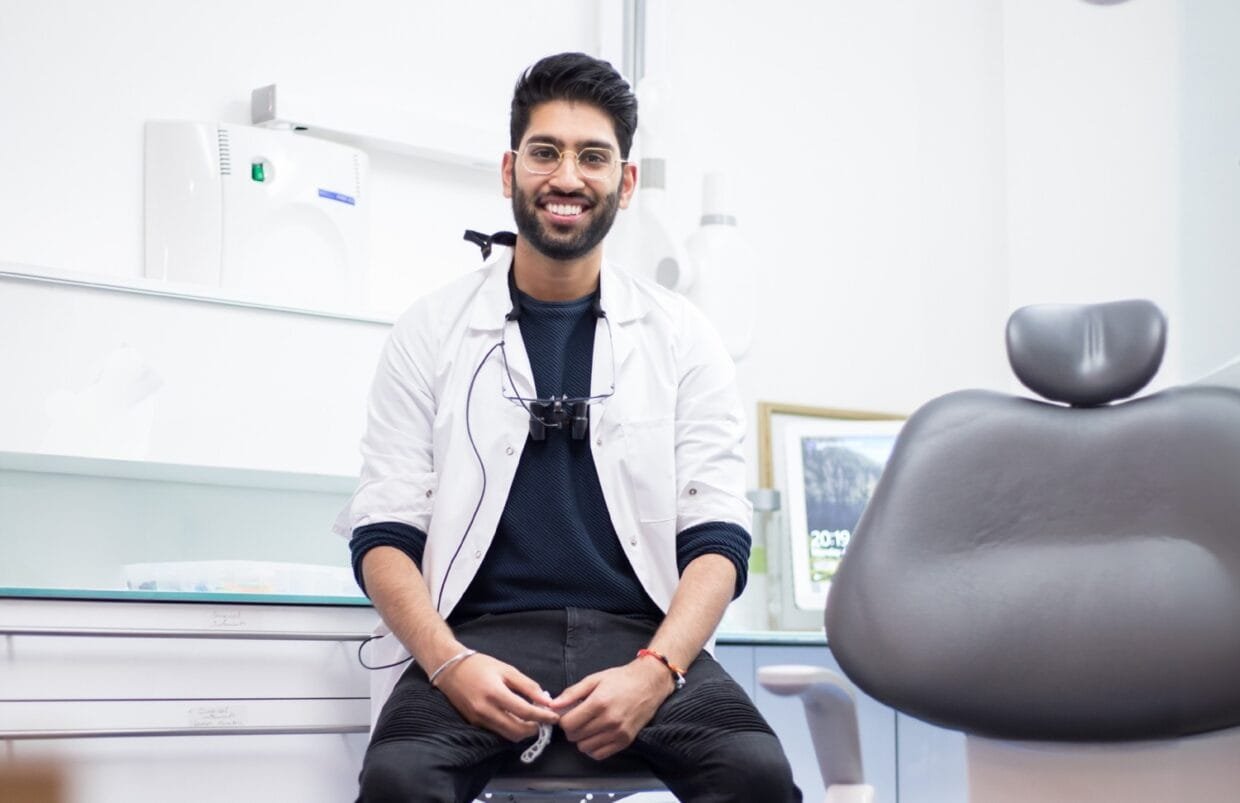
Dr. Deepak Aulak is reshaping how the UK thinks about dental care. As the founder of Toothfairy app — the first dental app formally approved by the national health regulator — he has turned everyday oral care into something faster, more accessible and deeply preventative. With AI-driven diagnostics and millions of patients already supported, Toothfairy is pushing dentistry far beyond the clinic. To understand the journey and what comes next, we caught up with Dr Deepak Aulak for an interview.
Toothfairy is the UK’s first dental app formally regulated by the health authorities. When you set out to build it, what gap in the system felt so urgent that it pushed you from dentistry into full-scale tech innovation?
When I was working full time as a clinician I kept seeing patients who had been struggling in silence. Some had waited weeks for an appointment. Others had ignored early symptoms because they had no clear route to help. By the time they reached me the problem had often worsened. It made me realise that the real challenge in dentistry was not always the treatment itself. It was simply getting support at the right time.
I wanted to build something that could meet people at the moment they first felt worried, not when the pain became unbearable. That is what led me to co-found Toothfairy in 2019. I felt that technology could remove the barriers that so many people were facing. Becoming the first dental app in the UK to be formally approved by the health regulator showed us we were addressing a genuine need, not creating a novelty.
You’ve described Toothfairy app as “a Fitbit for your teeth.” How did you rethink dental care so it becomes something people can track, understand and act on every day — rather than only when pain forces them into a chair?
Most people only think about their teeth when something hurts. I wanted to shift that mindset by making dental care feel familiar and easy to follow, the same way you might track steps or sleep. That is where the idea of a “Fitbit for your teeth” came from.
Through the platform users can upload photos, follow their progress, receive clear explanations and be prompted when something needs attention. Our technology helps dentists review changes over time and supports early detection of issues that might otherwise be missed. When information is simple and available in real time people feel more confident about their oral health. It turns dentistry from a crisis moment into something people manage naturally as part of everyday life.
→ Explore how other London founders are using technology to transform everyday life.
Three million patients treated and 20,000 employer partnerships is a huge shift away from the old practice model. At what point did you realise that digital dentistry wasn’t just possible, but necessary for the future of public health?
The turning point was the pandemic. Millions of appointments were cancelled or delayed across the UK and people were left without guidance. We suddenly saw how vulnerable the traditional model was and how quickly routine issues could turn into emergencies. At the same time demand for digital care increased sharply because people wanted safe, fast and reliable advice.
When employers began offering Toothfairy to their staff and we saw thousands of workers using it, I realised digital dentistry was becoming a fundamental part of care rather than an alternative add on. It provided quick access, reduced unnecessary appointments and helped clinics focus on the cases that truly needed in person treatment. That is when it became clear that technology had to be part of the long term public health solution.
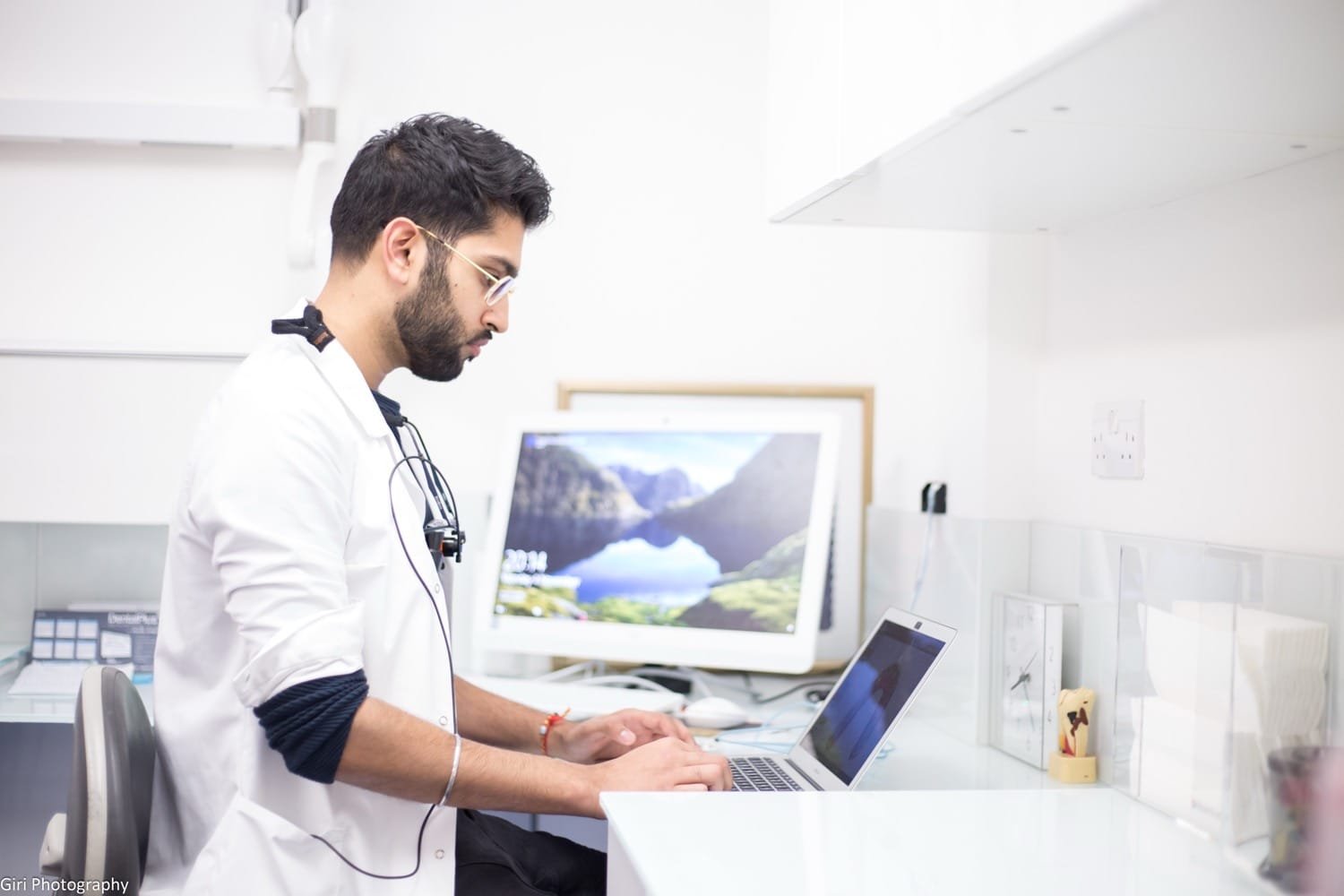
AI is becoming a major part of Toothfairy’s next chapter, especially with early tests showing it can detect plaque and early cavities at dentist-level accuracy. What do you see as the real potential — and real limits — of AI in dental diagnosis and prevention?
AI has enormous potential in helping us spot problems earlier. Our models have shown strong results when tested with dentists in identifying early plaque, gum inflammation and the first signs of cavities. It allows us to guide people before their symptoms become serious and helps dentists monitor treatment more precisely.
But there are limits. A photo cannot replace a full clinical examination. A dentist considers history, habits and subtle details that AI cannot yet interpret. We see AI as a supportive tool rather than a decision maker. It can surface what needs attention and give patients confidence that someone is keeping an eye on their progress, but the final judgement should always sit with a trained professional.
One of the biggest concerns in AI healthcare is biased data. How are you thinking about building models that work across different ages, ethnicities, oral health backgrounds and socioeconomic groups?
Bias in healthcare technology is a serious issue because it directly affects outcomes. Our user base includes a wide range of backgrounds which helps us train AI on diverse real world data. When developing our models we test performance across different groups and continue to refine them when we see variation.
We keep a dentist involved in crucial stages of assessment and we work with partners to review and audit our approach. Creating fair and inclusive technology is not something you achieve once. It is an ongoing process. For us the goal is simple. Technology should improve access for everyone, not just those who already find the system easy to navigate.
Many in the sector told you digital dentistry “couldn’t be done” until Covid proved otherwise. How did you navigate the traditional “old boys club” culture of dentistry while trying to build something radically new?
Dentistry is rooted in hands-on practice and long established routines, so there was understandable scepticism when we first spoke about remote consultations and AI supported monitoring. The focus for us was always on safety, clinical standards and working with dentists rather than around them.
We made it clear that the intention was not to replace clinics. It was to support them by reducing unnecessary emergency visits and giving patients a clearer understanding of their oral health. Over time pilot results, patient feedback and industry recognition helped shift perceptions. Covid accelerated that shift because it proved that digital care could be effective and reliable when patients needed it most.
Dental pain costs the UK more than 23 million sick days each year. What role do you think remote care and early-detection technology can play in reducing that human and economic toll?
The number of sick days linked to dental pain shows how far oral health reaches beyond the dentist’s chair. When someone can speak to a clinician quickly they can manage symptoms before they become debilitating. We see cases where a short remote consultation prevents a problem from turning into several days of absence.
Early detection means smaller treatments, fewer emergencies and less disruption to daily life. For employers it means fewer hours lost in waiting rooms. For patients it means less pain and less worry. Remote care will not remove every absence, but it can dramatically reduce the number of people who lose time simply because they could not access help early enough.
As Toothfairy app moves toward profitability and continues scaling, what’s the long-term vision? Are you building a digital-first dental ecosystem, an AI-driven diagnostic tool, or something even larger in the future of preventive health?
The long term vision is to build a system where people stay on top of their oral health in the same way they look after other parts of their wellbeing. We want to make prevention the focus, supported by digital tools that guide people long before a problem becomes serious.
That means continuing to strengthen our AI capabilities, expanding partnerships with employers and clinics, and improving the way patients move between digital and in person care. I believe the future of dentistry will combine technology and traditional treatment in a way that feels natural for patients. If we can give people consistent support and quicker access, we can reduce the number of emergencies and create a more proactive culture around oral health.