






Turning a house into your perfect home isn’t about simply picking out the right furniture or splashing some paint on the walls.
Whether you’re working with a blank canvas or renovating a space to suit your evolving needs, transforming your living environment requires careful planning and a clear vision.
The journey begins with understanding what works for you and your family, and then it’s about refining your choices in a way that feels cohesive and sustainable. The ultimate goal is to create a space that truly reflects who you are, whilst meeting your everyday needs.
Assessing your home and setting a vision
Before you start knocking down walls or ordering new furniture, take a step back and evaluate the space you have.
What works well? What doesn’t? Identify the key areas where functionality needs an upgrade and where design could elevate your experience. Consider the flow of your home – how rooms connect and interact with each other – and think about how you live day to day.
Is there enough storage? Do certain spaces feel cramped or underused? Now is the time to outline your vision, keeping practicality and aesthetics in mind.
If you’re planning substantial changes, such as structural renovations or extensions, financing might be a consideration. Home improvement loans can help support your plans without draining your savings.
It’s important to budget wisely and ensure your plans are financially feasible. The goal should always be to improve your home in a way that adds value over time.
Designing key living spaces: Kitchen, living room, dining room
The heart of your home is where everyone gathers. Whether you’re preparing meals, entertaining guests, or relaxing with family, these spaces should support both functionality and comfort.
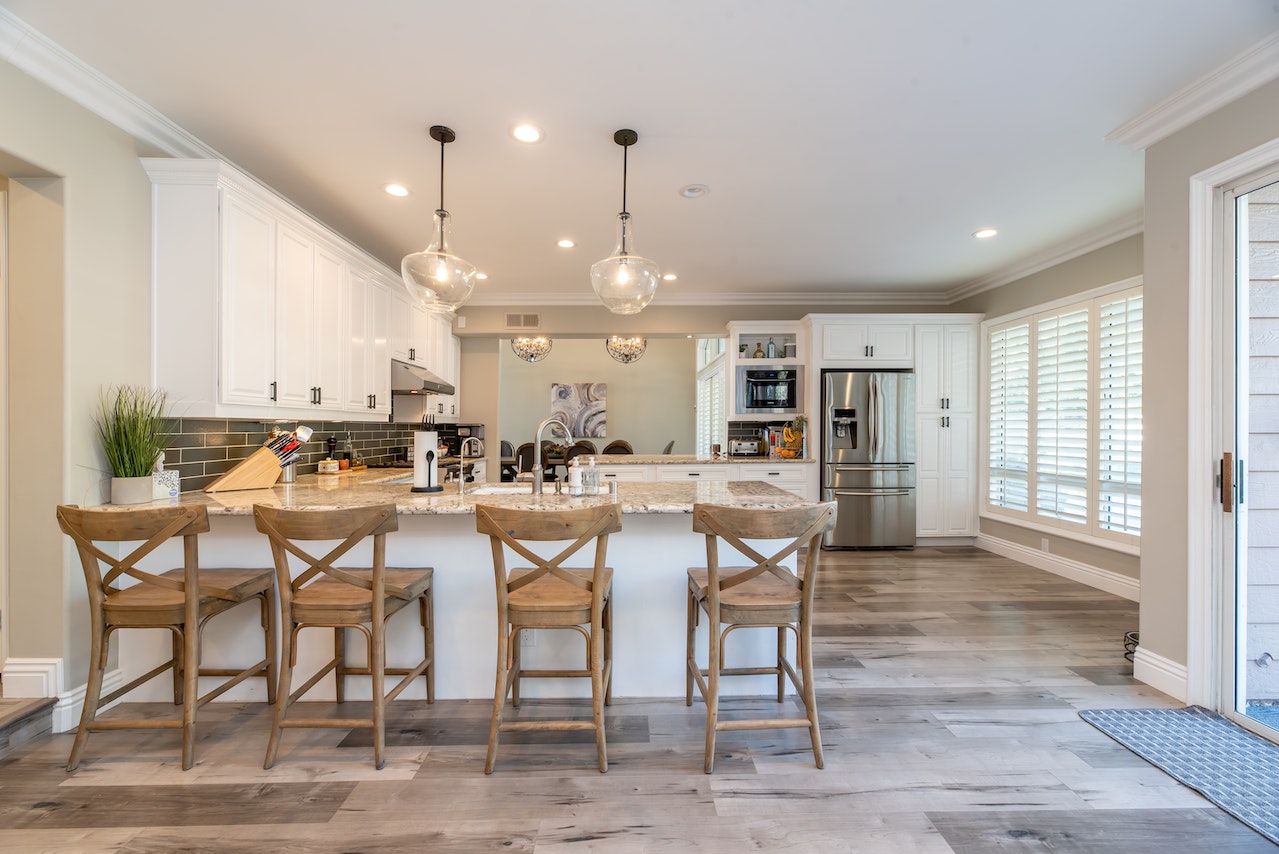
Start by thinking about how each room will be used – are you an avid cook who needs a spacious kitchen with top-tier appliances, or do you prefer an open-plan layout that keeps you connected to your guests while you prepare food?
In the living room, focus on creating a layout that encourages relaxation and conversation. Choose furniture that fits the room’s scale and your lifestyle. Modular seating can offer flexibility, while storage solutions like shelves or media consoles can reduce clutter.
Dining areas should be designed with socialising in mind, so think about the size of your table and seating arrangements, making sure there’s enough room for comfortable movement.
Private spaces and services: Bedrooms, bathrooms, home office
As you move to more private spaces, design becomes about personal comfort. Bedrooms should be sanctuaries, so start with a colour palette that feels calming – soft hues and natural textures can bring a sense of peace.
The key to a great bedroom is in the details: storage solutions that reduce clutter, the right lighting for different moods, and bedding that feels luxurious but is also practical.
Bathrooms should be a functional yet indulgent space. Quality fixtures and clever use of space, such as built-in shelving or under-floor heating, can make a small bathroom feel like a retreat.
A well-designed office is worth prioritising in today’s work-from-home culture. If you don’t have a dedicated room, carve out a nook that minimises distractions and allows for focus.
Finishing touches and future-proofing
Once the core of your home is in place, it’s time to add the finishing touches that bring personality to the space. Choose artwork and accessories that resonate with you, but avoid overcrowding surfaces.
Lighting is another essential element. Invest in good-quality fixtures that complement your space and offer adjustable settings for different moods and activities.
Lastly, think ahead. Consider future-proofing your home by integrating sustainable elements, such as energy-efficient appliances, smart technologies, and materials that are both durable and eco-friendly.
These additions not only enhance your living environment but also add long-term value, ensuring your dream home stands the test of time.