




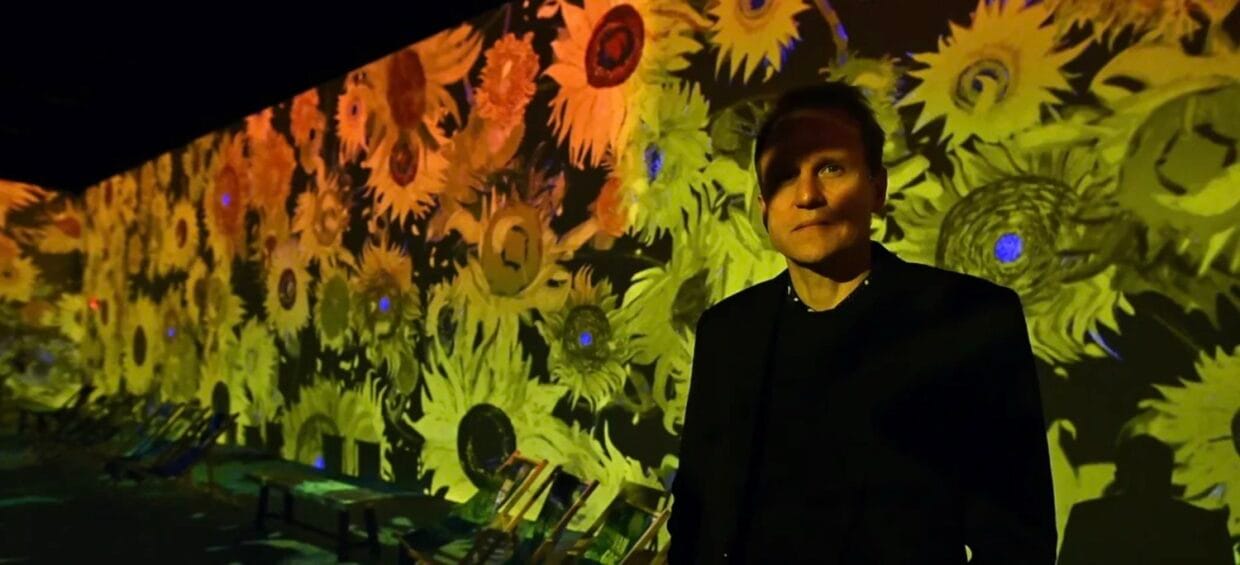
7 Wonders arrives in the capital following the massive success of Van Gogh: The Immersive Experience. What drew you back to this specific pocket of East London for the debut — and what makes Shoreditch the right setting for a story about human ingenuity?
Shoreditch has become a real hub for creativity, innovation, and cultural discovery, which makes it the perfect home for a project like 7 Wonders of the World. This experience is all about reconnecting people with humanity’s most extraordinary achievements, and there’s something fitting about launching it in a neighbourhood known for pushing boundaries. After the success of Van Gogh: The Immersive Experience, we knew London audiences were hungry for bold storytelling and immersive design. Shoreditch, with its blend of history, culture, and curious crowds, felt like the ideal backdrop for a journey that spans civilisations and millennia.
The Seven Wonders are iconic, yet most ancient sites are long gone. As executive producer, how did you approach reimagining these lost structures to ensure they feel physically monumental, while keeping the historical interpretation grounded for a London audience?
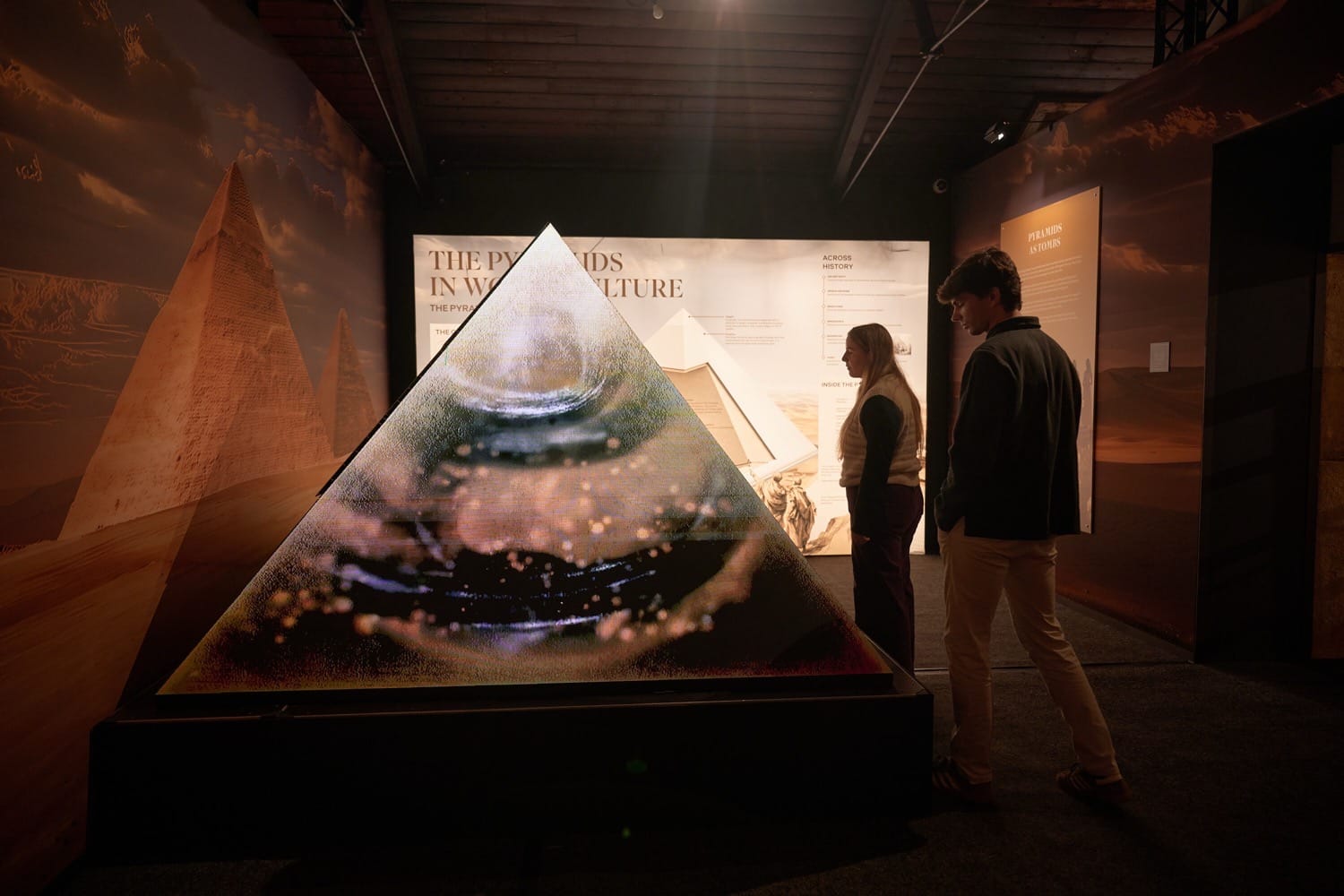
Our process always starts with academic research. Exhibition Hub’s creative team drew on extensive studies, architectural analysis, and cultural consultation to make sure every visual element had a solid factual foundation. From there, we layer in immersive technology, like the 360° projections, interactive installations, and VR moments. All of this to restore a sense of physical presence. The goal was to let visitors feel the scale of these Wonders without straying from historic events. To achieve that, authenticity was essential.
This exhibition blends education with high-end entertainment, highlighting how civilisations pushed beyond the ordinary. How did you navigate the balance between the spectacle of 360-degree projection and the rigour required to authentically honour these cultures?
We were very intentional about balancing visual impact and historical accuracy. The two-storey projections, the custom soundscapes, and the interactive zones are all designed to highlight the stories, not overshadow them. Ultimately, we wanted visitors to learn through immersion and to step into history in a way that’s engaging, but grounded in truth. It bridges the gap between traditional museums and the future of digital art.
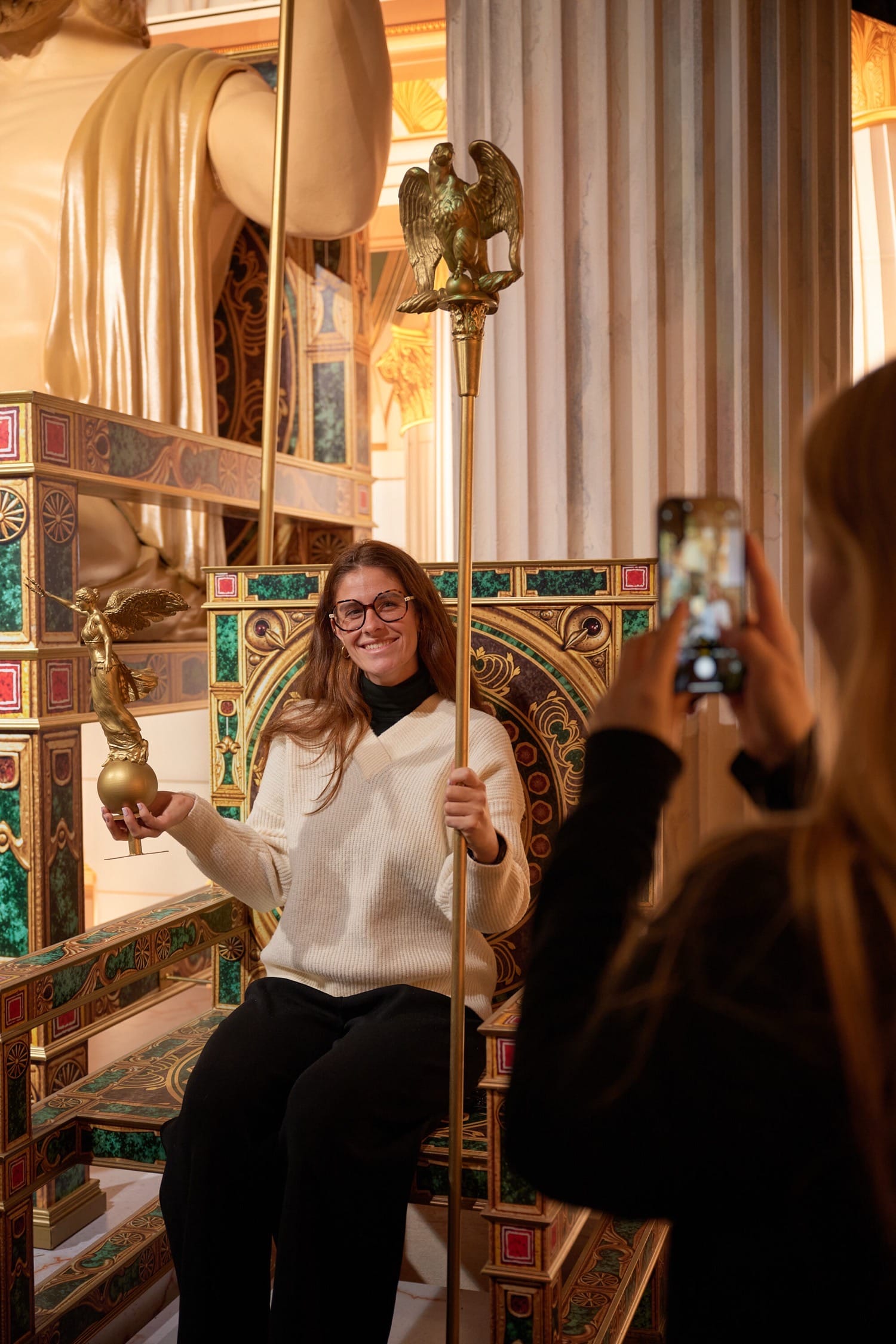
You have spent over 25 years working across museums, theme parks, and immersive design. How has that diverse background shaped your specific approach to 7 Wonders, particularly in shifting visitors from passive observation to active participation?
Having worked across a wide range of cultural and entertainment projects, I’ve learned that the most memorable experiences are the ones people participate in. That perspective really shaped 7 Wonders of the World. Instead of simply presenting information, we invite guests to create, explore, and interact. From activities like “Build Your Own Pyramid” to hands-on digital installations, it’s all about transforming a visit from something you watch into something you do.
The experience features an original score developed to complement the visuals. How did the music influence the way you shaped the exhibition’s pacing, emotional resonance, and the transition between the Ancient and Modern worlds?
Each part of this exhibition has a distinct atmosphere, and the music helps visitors feel the shift as they move between worlds. Because the soundscape is integrated from the beginning, it supports the pacing and narrative arc, creating a unified multisensory journey that bridges both ancient history and technology.
You were instrumental in the success of the Van Gogh exhibition, which focused on a single artist’s internal world. Does the creative approach for 7 Wonders — spanning global eras — require a completely different storytelling architecture?
Absolutely, this project required a different narrative structure. Van Gogh: The Immersive Experience invites audiences into the mind of one artist. 7 Wonders of the World, by contrast, spans multiple civilisations and thousands of years, so the storytelling is different For 7 Wonders of the World, we focused on humanity’s drive to create the extraordinary as our anchor, which allowed us to create a coherent experience while honouring the individuality of each Wonder and the culture behind it.
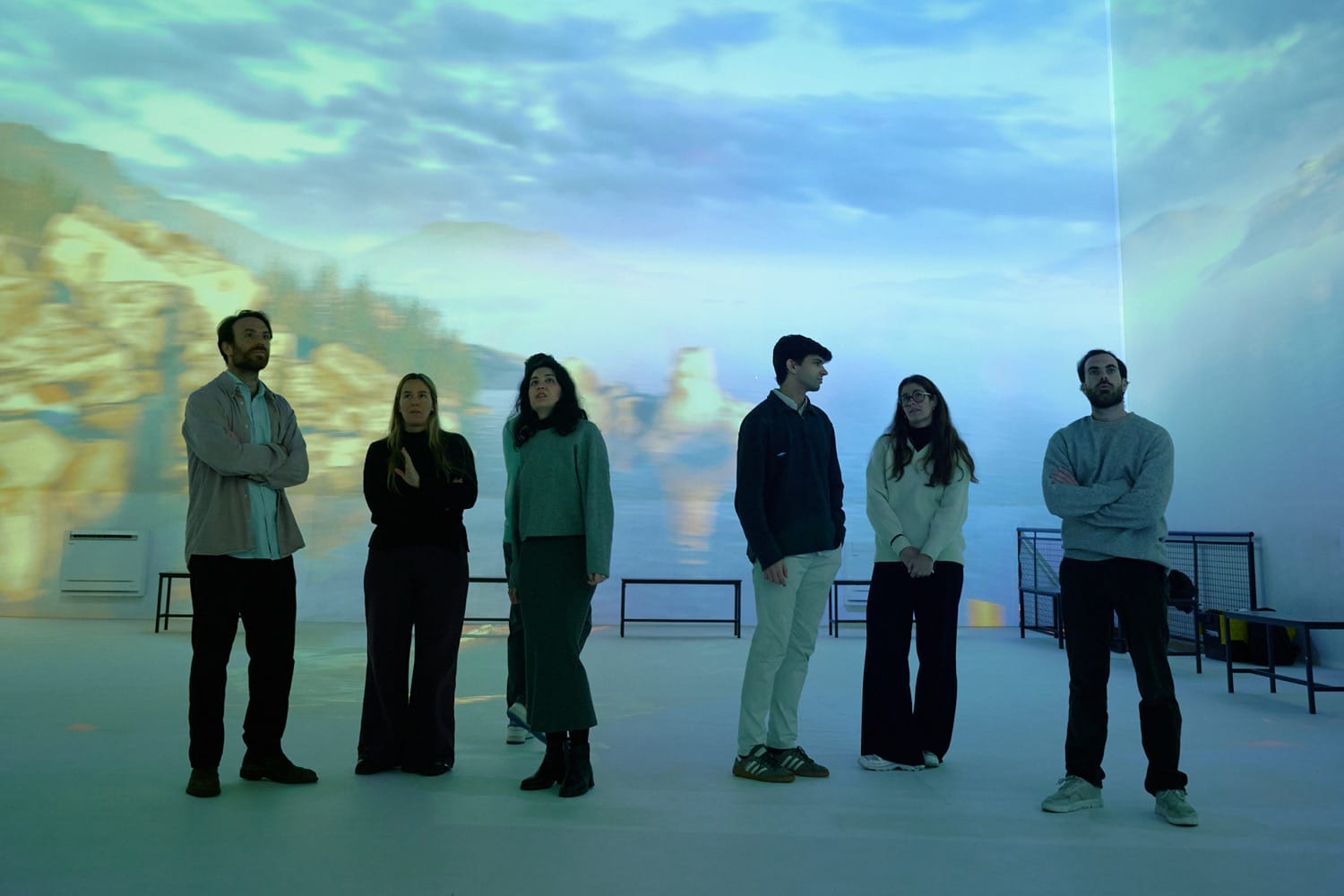
The show explores not just how monuments were built, but why they mattered to the societies that created them. What conversations do you want Londoners to have about legacy and creation as they leave the venue today?
We hope that Londoners walk out with a renewed appreciation for human ingenuity, not just the technical achievements, but the imagination, collaboration, and ambition behind them. Each Wonder reflects what a society valued most, from a devotion to gods to scientific curiosity. We imagine visitors leaving 7 Wonders of the World asking themselves what we are building today that will inspire future generations.
After producing multiple acclaimed global experiences, what continues to surprise you about how audiences engage with immersive tech? And what new creative layers are you excited for visitors to discover in this specific iteration?
What continually surprises me is how deeply people connect with immersive storytelling. Audiences embrace technology as a bridge to understanding foreign places, people, and culture. In this experience, I’m especially excited for guests to explore the VR journeys, the interactive workshops, and the AI-powered memory station. These layers don’t just show the Wonders, but they let visitors become part of the story.