


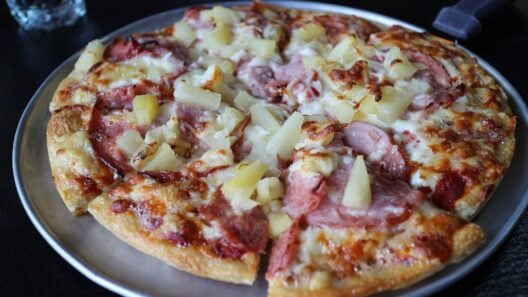

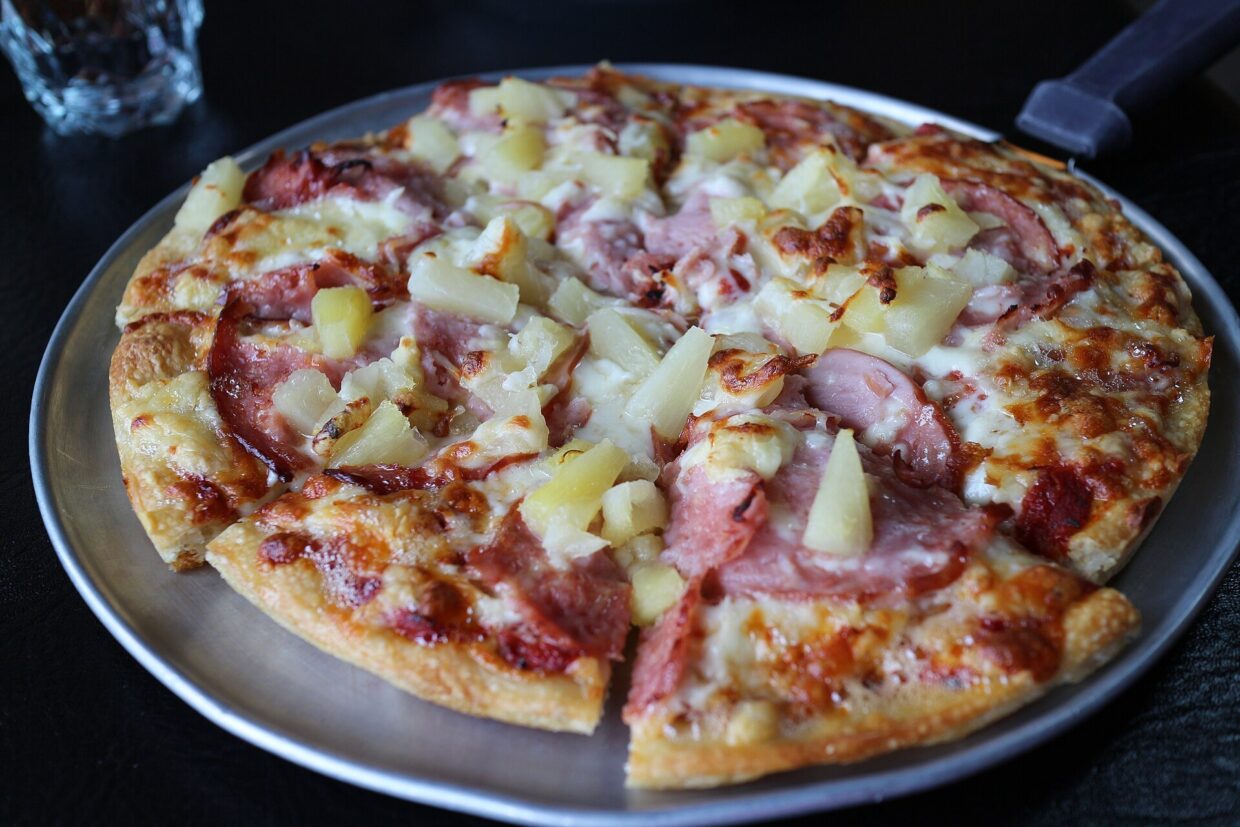
Hawaiian pizza did not come from Hawaii. It was first made in 1962 in Chatham, a small town in Ontario, Canada, by a Greek immigrant called Sotirios Panopoulos, known as Sam.
The name came from the tin. The pineapple Panopoulos used was a Hawaiian brand, and the pizza was named after it.
The Satellite Restaurant
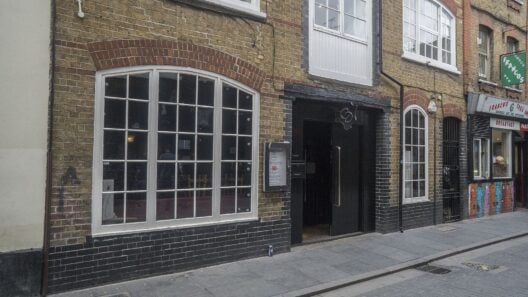
Panopoulos left Greece for Canada in 1954, aged 20. On the way, his ship stopped in Naples, where he first saw pizza. He later ran the Satellite Restaurant in Chatham with his brothers, Elias and Nikitas.
The brothers experimented with toppings. Panopoulos was influenced by the sweet and sour flavours of the Chinese dishes popular in North America at the time, and the tiki craze for all things Polynesian was at its height. Ham and tinned pineapple went on together.
“We just put it on, just for the fun of it, see how it was going to taste,” he told the BBC. “We were young in the business and we were doing a lot of experiments.”
Never patented
Customers took to it, and the combination spread across Canada, the United States and the rest of the world. Panopoulos never patented the idea.
He died in June 2017, aged 83. The Satellite Restaurant in Chatham still serves the pizza.
Why it still divides people
Hawaiian pizza remains one of the most argued-about foods in the world. In February 2017, the president of Iceland, Guðni Jóhannesson, told a group of schoolchildren that he was “fundamentally opposed” to pineapple on pizza and suggested it should be banned. Panopoulos told the BBC he did not understand the objection. He thought the pineapple gave the pizza a “refreshing” bite.
Some Germans claim the idea came first from Toast Hawaii, a ham, pineapple and cheese toast popular in the 1950s.
Key facts
- Invented: 1962
- Where: Satellite Restaurant, Chatham, Ontario, Canada
- By: Sam Panopoulos, with his brothers Elias and Nikitas
- Named after: the Hawaiian brand of tinned pineapple
- Toppings: ham and pineapple