







Ben King isn’t just another tech founder—he’s one who knows the dancefloor inside out. From DJing warehouse raves to engineering at DICE, his journey has always pulsed with club culture. Now, with Dancefloor, he’s crafted a platform that connects fans, DJs, and promoters in ways no one else dares to. We caught up with Ben King to chat about loyalty, nightlife innovation, and how his app might just save the scene.
You went from DJing to engineering at DICE to launching Dancefloor. What sparked that leap from the booth to the boardroom?
I started Dancefloor because I just wanted it to exist for myself. It always frustrated me having to bounce around between multiple apps to try to find club nights to go to and to learn more about the DJs playing. I had very strong ideas about how I thought it should work and the content it should have, so it was a no brainer to just go ahead and build it. I figured if it was useful for me then surely others would find value in it too! And then as I began speaking to artists, club owners and promoters, it became clear there was a really big opportunity here to build something fresh for the scene that helped support everyone.
Dancefloor isn’t just a listing app. It’s a cultural connector. How did you shape its features to reflect the real needs of the nightlife community?
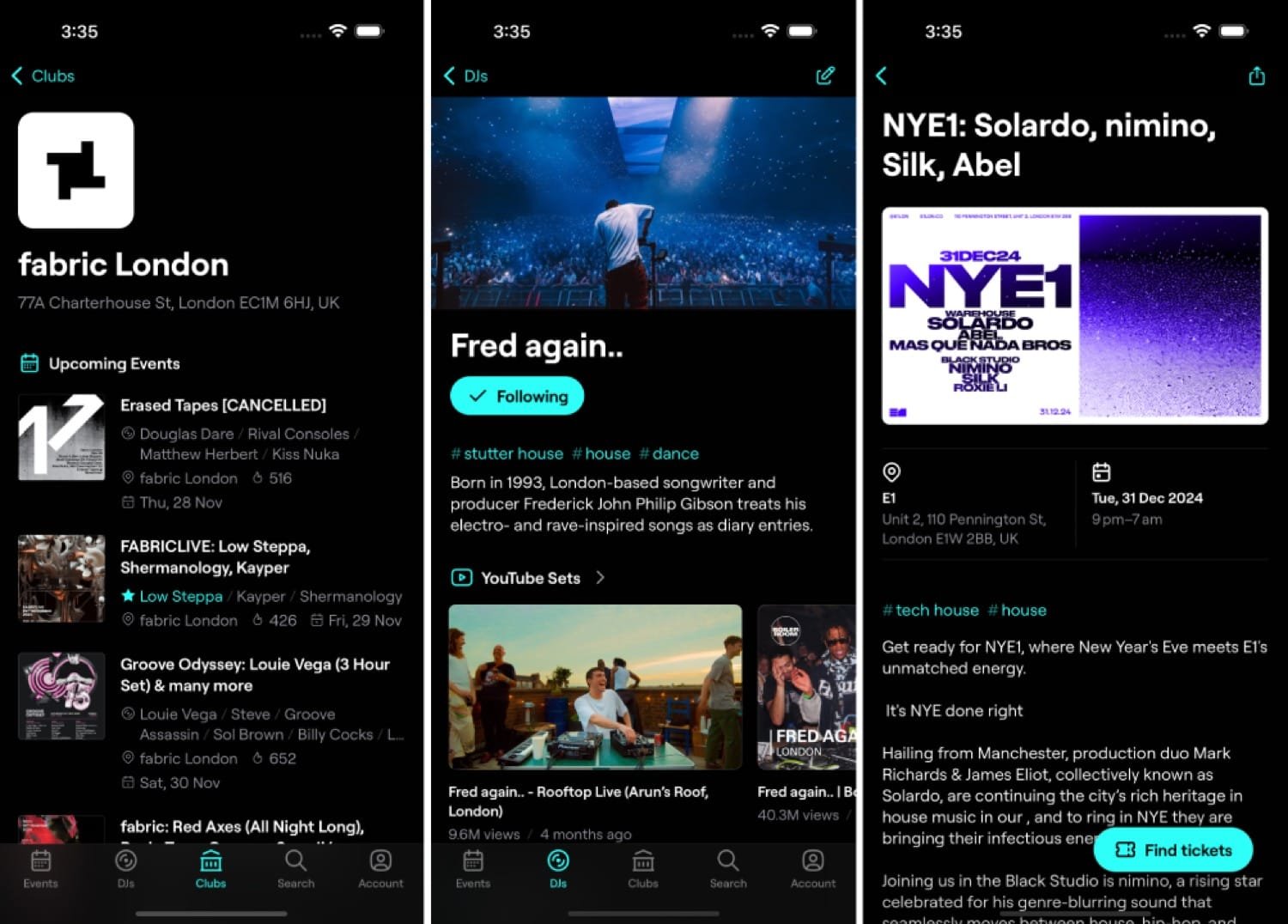
You see it right as you open the app – the main tabs are very intentionally Events, DJs, and Clubs. It’s all these sides of the nightlife scene front and centre, where in other apps you don’t have that spotlight on each of them because they’re too broad.
Discovery for new DJs was one area I thought we could really innovate with. When a fan lands on a DJ profile that maybe they’ve not heard of before, it’s very quick for them to get a sense of the artist – through their full sets (ie a Boiler Room set on YouTube), music previews, or video clips uploaded by the community so you can see what it’s like from the POV of the dancefloor. That idea alone doesn’t exist anywhere else, and it’s just one pillar in Dancefloor.
And then when it comes to events, because we’re focused on nightlife we can structure that information in the most relevant way. Our competitors focus solely on the biggest events, they’re not personalised or tailored to the user. So for a fan that’s frustrating because sometimes I want to go to a smaller or more intimate night run by a collective, not just a huge warehouse event. And for independent promoters it means they get no visibility, unless they pay-to-play by spending money on ads to boost their event up the list. So Dancefloor’s listings instead are always tailored to the user, and can be shaped by following artists, promoters, or genres.
A great example I point to is Garage Kidds, a local UK Garage collective I discovered recently in Barcelona. I’m a huge fan of that music and their events are a lot of fun and perfect for me, but it’s a niche within that market. In other apps, their events would be hard to discover – but in Dancefloor, for a UK Garage fan visiting Barcelona, it would be #1 on the first screen of the app. That’s an enormous difference.
Our strict nightlife focus also shows up in seemingly minor ways like displaying the event end time – quite crucial for a club night – but most apps don’t show it! That can be the factor that determines when you start pre-drinks, how you plan transport, whether you can get late-night food… it’s a small detail that actually underlines a deep understanding of the needs of the fan.
Promoters can now build fanbases, message users, track ad spend—on one platform. What were the key pain points you wanted to fix?
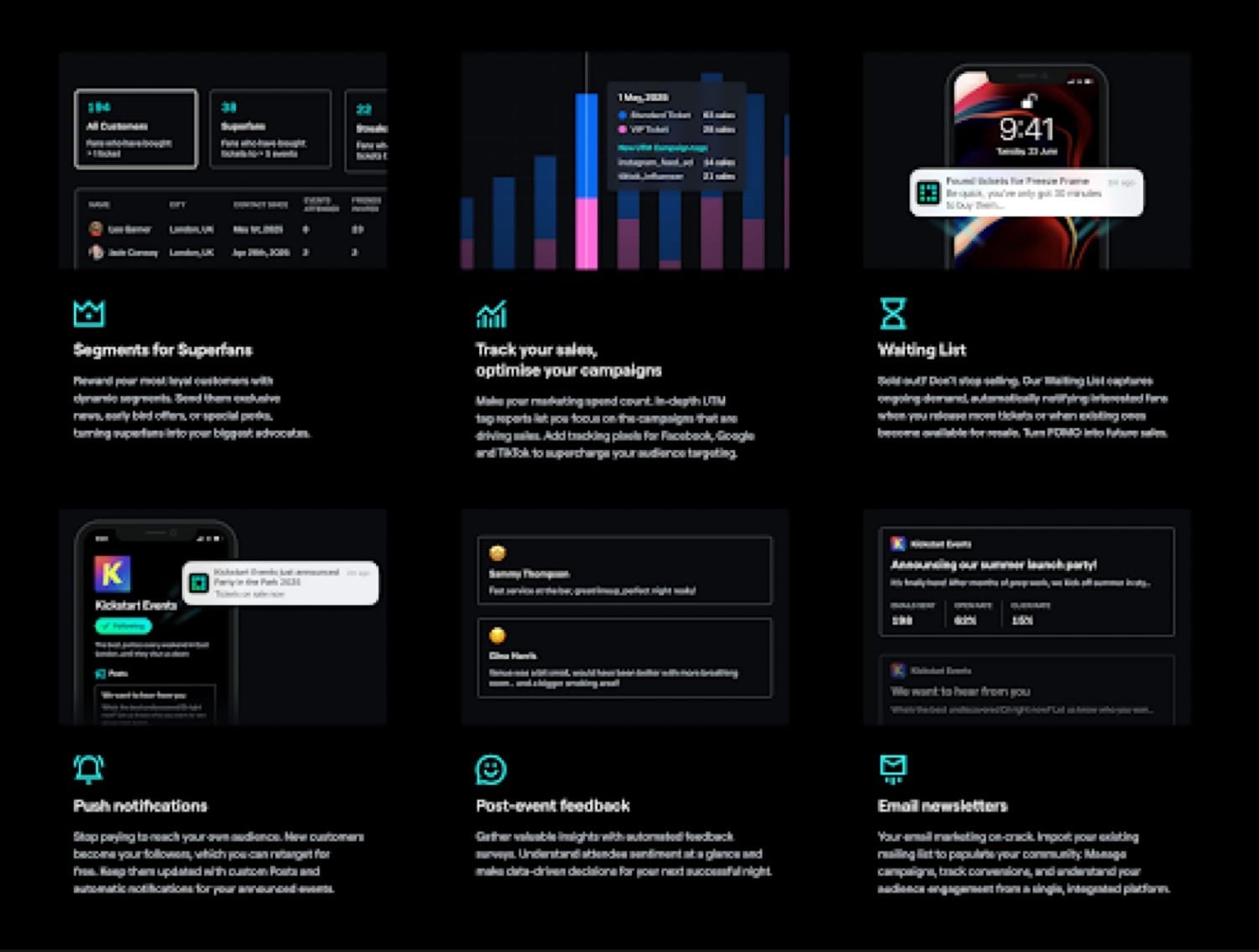
When I was first speaking to promoters it became very clear that they felt the existing platforms weren’t helping them promote their events. Sure, they could sell QR code tickets, but they weren’t getting exposure or help connecting to a new audience, or cultivating a community with the audience they do have. The word ‘Superfan’ is a bit of an industry buzzword these days, but the core idea is key – nights thrive when they have a dedicated following. So all of the fan promotion and communication tooling we built was really just designed to support that. Being able to start two-way conversations, get feedback on an event, or solicit ideas for future events… they were all kind of no-brainer ideas. The idea is that by helping promoters develop that loyalty, they will be ultimately more successful.
Shoreditch has long been a nightlife hub. How does Dancefloor respond to the challenges clubs and promoters face here today?
Shoreditch is a vital part of the London scene and I’ve had countless great nights there. But it is certainly feeling the pressure with rising costs and shifts in customer behaviour. I think encouraging and incentivizing repeat attendance and loyalty can really help. Our fan CRM feature, with the ability to create segments and target loyal fans – either through exclusive messaging or with early bird ticket access, discounts, whatever it might be – helps promoters really build that relationship. The new generation of clubbers value community, connection and authenticity most above all else.
But I think more than any specific feature we have, the main benefit Dancefloor has for clubs and promoters here is that we are on the ground level with them – we are solely focused on their business and helping them be as successful as possible. So the platform is being developed hand-in-hand with them, identifying their specific needs and collaborating closely. We’re almost like a technological extension of the club business. I think we’ve certainly made a strong start but the company will continue to expand and evolve over time and that will be with the sole aim of ensuring the success of the nightlife economy.
With clubs closing and discovery scattered across platforms, what role do you think Dancefloor can play in saving the dancefloor—literally?
We just want to do whatever we can to help support the industry. We’re an independent platform, built by DJs for DJs – we’re not owned by private equity or a big multinational. This means that our ear really is to the ground, and we are keen to build a close collaborative relationship with partners in the scene, whether they be artists themselves, venue operators or promoters. When you think about platforms like Eventbrite, AXS etc, they are not focused on nightlife, so they can’t drill down to the real problems the nightlife sector needs support with. That’s our 100% focus, which I think is critical.
The app has garnered industry approval through publications like DJ Mag spotlighting it. What early feedback surprised or excited you most?
I think the incorporation of video has gotten the most excited reaction. It drives a lot of FOMO, even for myself I’ve fallen down rabbit holes of checking out events coming up in the week and watching the DJs’ sets, and all of a sudden your week’s plans are filling up.
It sounds like a really simple thing on paper, “just add video clips and YouTube sets”, but it fundamentally changes the emotional experience of using the app. It really draws you in and engages you. So I’m excited to see what happens when we build upon that and expand it out.
Dancefloor feels like a tool built by someone who’s lived the scene. How did your past gigs and late nights shape your vision as a founder?
Oh for sure. I remember when I was working at previous ticketing companies being in the queue in clubs in London and Barcelona, pretty drunk, interviewing people to ask how they found the ticket buying experience. I’ve been super passionate and focused on this problem space for a long time. And I think when you look at the app, it’s really a reflection of that love for the scene – particularly in the way we’ve fused in so much video and audio content. Going to see a DJ is a visceral experience so I just knew we had to be able to bring that into the app… it couldn’t just be static text and an event poster.
If you could dream big—what’s your future vision for Dancefloor and the global dance community it supports?
Dance music is global, Dancefloor is global… we already have events in 358 cities and counting. There is no limit to this. I think ultimately we will be the number one destination for fans to discover new DJs and events, and for clubs and event promoters to promote their events and know their events will be recommended to and seen by the best crowd. We’re cultivating a global community for dance music, for all its stakeholders, and dance music will never die. It is only growing.