






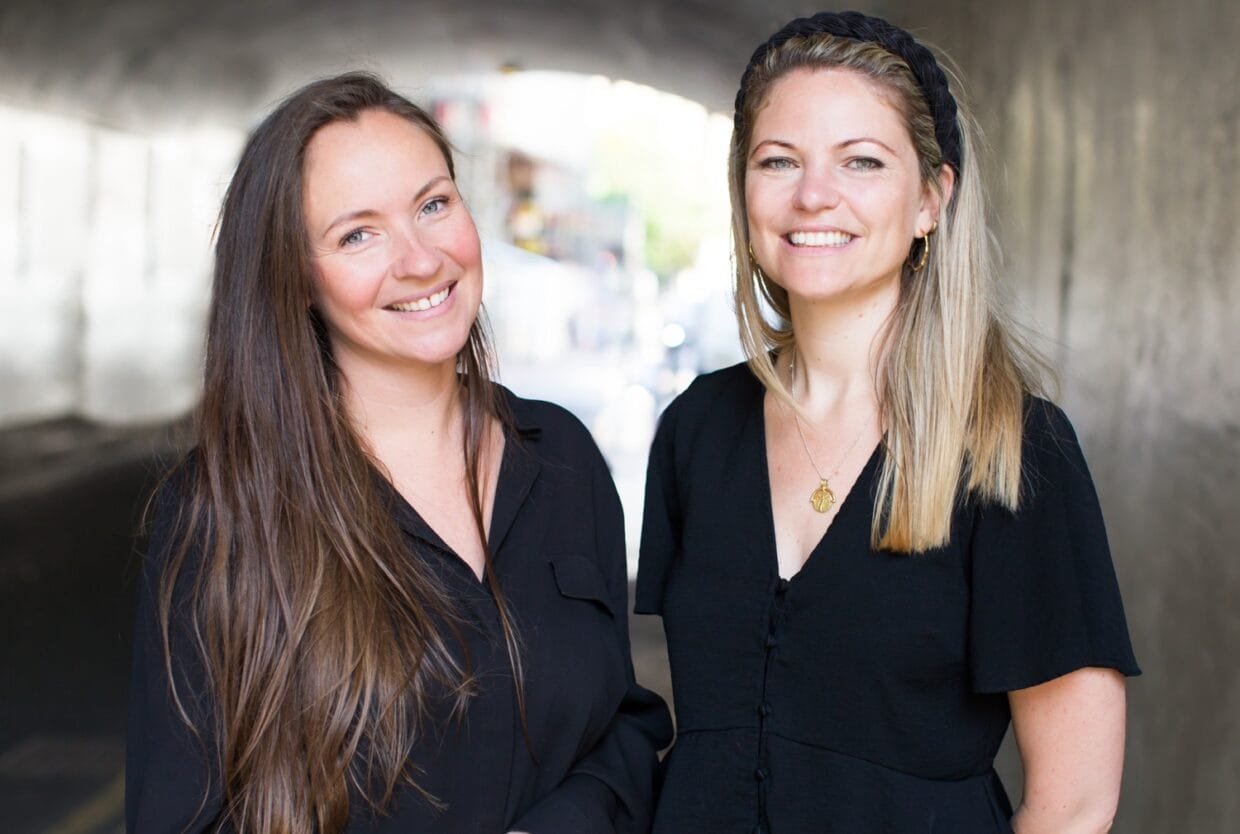
Shoreditch has always been at the forefront of London’s startup and creative culture, and its workspaces continue to set the pace for innovation. One of the voices driving this change is Laura Beales, co-founder of Tally Workspace, the platform behind the annual Tallys ranking of the UK’s most inspiring offices. From design and community to hospitality-style service, she has helped redefine what makes a workspace more than just four walls and a desk. To explore her vision and what’s next for the industry, we caught up with Laura Beales for an interview.
Oneder Shoreditch has just been named one of the UK’s Top 10 workspaces in The Tallys 2025. What stood out about this space to you?
Oneder Shoreditch delivers across all three pillars that make a workspace great: design, community and team. Many spaces manage one or two, but Oneder consistently gets outstanding feedback on all three, creating an environment that feels vibrant, friendly and productive from the moment you arrive.
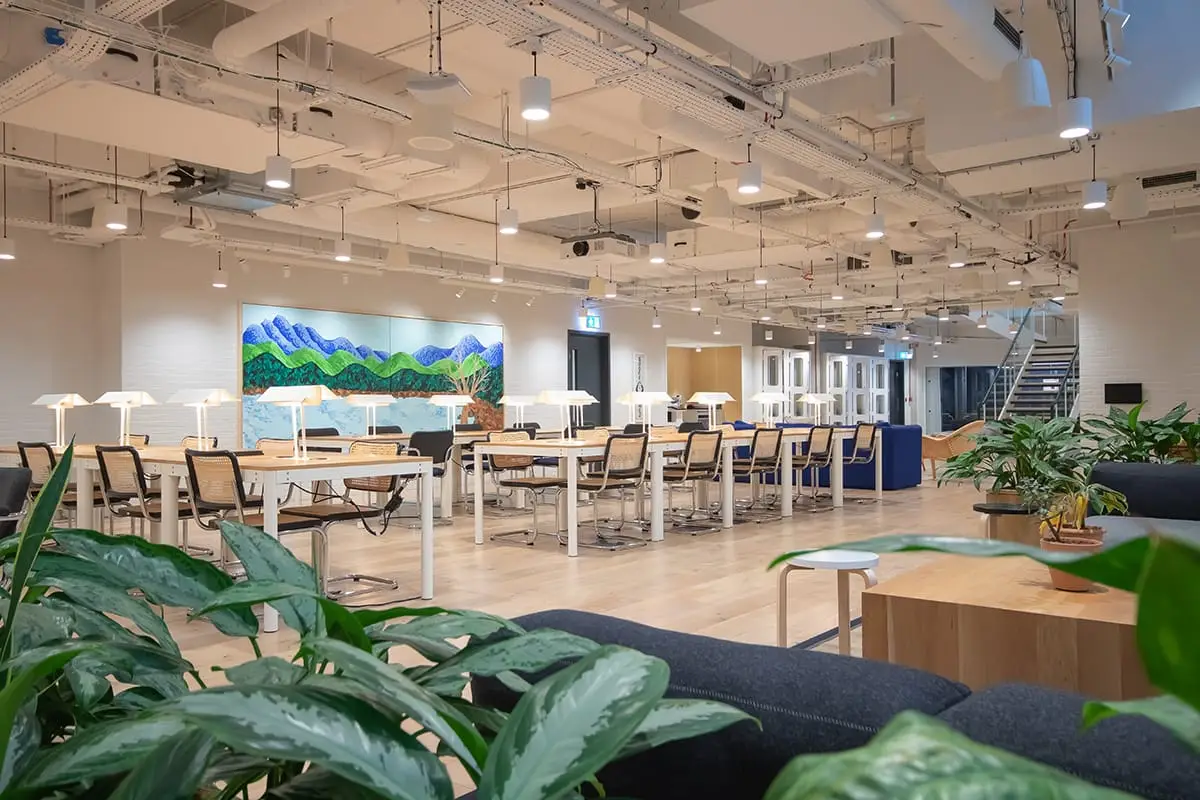
The community here is especially strong. Members DJ at parties, run yoga classes and welcome new joiners, with more than half of memberships coming through word of mouth. That authenticity is backed by an unrivalled events programme, from SoulCycle pop-ups on the rooftop to partnerships with brands like Aperol and Lululemon, and amenities that set the bar, including a gym, podcast studio, rooftop terrace and barista bar. It is this combination of community, experience and a fantastic onsite team that makes Oneder Shoreditch one of the UK’s top workspaces.
The Tallys celebrate the most inspiring offices across the UK. What qualities do you think make a workspace truly inspiring today?
For me, the most inspiring workspaces bring together three things: thoughtful design, a strong community, and a team that genuinely cares. It’s no longer enough for a space to look good or to throw in a ping pong table. People need reasons to come in that go beyond having a desk.
That means creating environments that support different ways of working and provide facilities people need to do their best work. It means having teams on the ground who go the extra mile, delivering hospitality-level service. And it means fostering community through authentic initiatives that surprise and delight during the working day. When design, team, and community come together, a workspace stops being just an office and becomes somewhere people are proud to belong.
Shoreditch has long been at the heart of London’s startup and creative scene. How do you see workspace trends here evolving in 2025?
Because Shoreditch attracts startups and creative businesses, its workspaces often set the pace for innovation. In the past year alone, we’ve seen everything from a tattoo social at Mindspace to SoulCycle pop-ups on the roof terrace at Oneder. That is proof that operators here are quick to try new ideas that make people want to be in the office.
Looking ahead to 2026, we expect office design to feature more clearly defined zones including dedicated areas for focused work, collaborative spaces for teamwork and social hubs for connection. Offices are moving closer to hospitality environments, alongside a stronger emphasis on wellbeing and sustainability in both buildings and events.
Competition for AI companies is also heating up, and Shoreditch workspaces will be fighting hard to win them. Many of the AI businesses we are working with expect teams in five days a week. They want offices that give people reasons to be together daily such as on-site gyms, team lunches and concierge-style services, combined with flexible layouts for rapid growth, secure project rooms for R&D and highly connected, tech-enabled environments. We expect to see Shoreditch operators making a big push to meet those needs.
If you’re exploring the area, check out our guide to the best coworking spaces in Shoreditch for more inspiration.
Flexibility is central to Oneder’s design. How are freelancers, small agencies, and growing teams using spaces like this differently than five years ago?
Five years ago, most freelancers and small agencies came into workspaces simply for a desk and Wi-Fi. Today, a desk is no longer enough of a pull to get someone into the office, so we see freelancers, small agencies and growing teams using spaces like Oneder in far more intentional ways. They are hosting clients in professional meeting rooms, recording content in podcast studios, and using the events programme to grow their network.
Your platform is reshaping how companies find offices. What role do you think Tally Workspace plays in shifting how people think about “the office”?
For a long time, the office was seen as something static – you signed a long lease and made it work, even if it no longer suited your team. Tally Workspace is helping to change that by making the process of finding an office more transparent, flexible and people-focused. We put culture, location and ways of working at the centre of the search, not just square footage and price.
That shift matters because the office is no longer just a cost line, it is a strategic tool. Companies are using their space to attract talent, build culture and give teams reasons to be together. By helping businesses find offices that genuinely fit their needs, we are reshaping expectations of what “the office” should deliver.
With hybrid work still defining the post-pandemic landscape, what are some surprising insights you’ve seen from businesses looking for space?
Cost used to be the dominant factor two or three years ago, but that has changed. Businesses are now willing to stretch their budgets if it means a space with the right pull factors — barista coffee, gyms, roof terraces and event programmes. Flexibility still matters, but more companies are planning for their teams to be in four or more days a week, which means they are looking for offices that actively draw people in. Hospitality-style service, high-quality amenities and well-designed communal areas are now seen as essential. The office has shifted from being just a cost line to becoming a tool for culture and connection, and that mindset change is happening faster than many expected.
The Tallys put workspaces in the spotlight almost like restaurants or hotels. How does celebrating them this way influence the industry and community?
One of the challenges in this sector is that when operators do a great job, it often goes unnoticed. The Tallys change that by giving workspaces the same visibility as restaurants or hotels, where service and experience are celebrated openly.
Transparency has always been one of our core principles at Tally Workspace, and The Tallys are an extension of that. By shining a light on what makes spaces truly exceptional, we make quality more visible to clients and help raise the standard across the industry. That visibility not only rewards those doing it well but also pushes the whole market forward.
Looking ahead, what do you predict will be the biggest drivers of workspace design and culture in London over the next five years?
The biggest drivers will be competition for talent, sector-specific working patterns, and the shortage of top-quality space. Companies increasingly view the office as a tool to attract and retain people, so they are demanding environments with strong design, high-quality amenities, and hospitality-style service. That rising demand is colliding with a limited supply of premium buildings, which is intensifying competition for the best space and pushing businesses to make faster, more strategic decisions about where they base their teams.
At the same time, different sectors are driving very different requirements. AI and deep tech firms are treating the office as essential five days a week, while others are continuing to refine hybrid models. This divergence is influencing both design (with more zoning, flexibility and focus on communal hubs) and culture, as operators try to create even more authentic programming that inspires people to come in.