





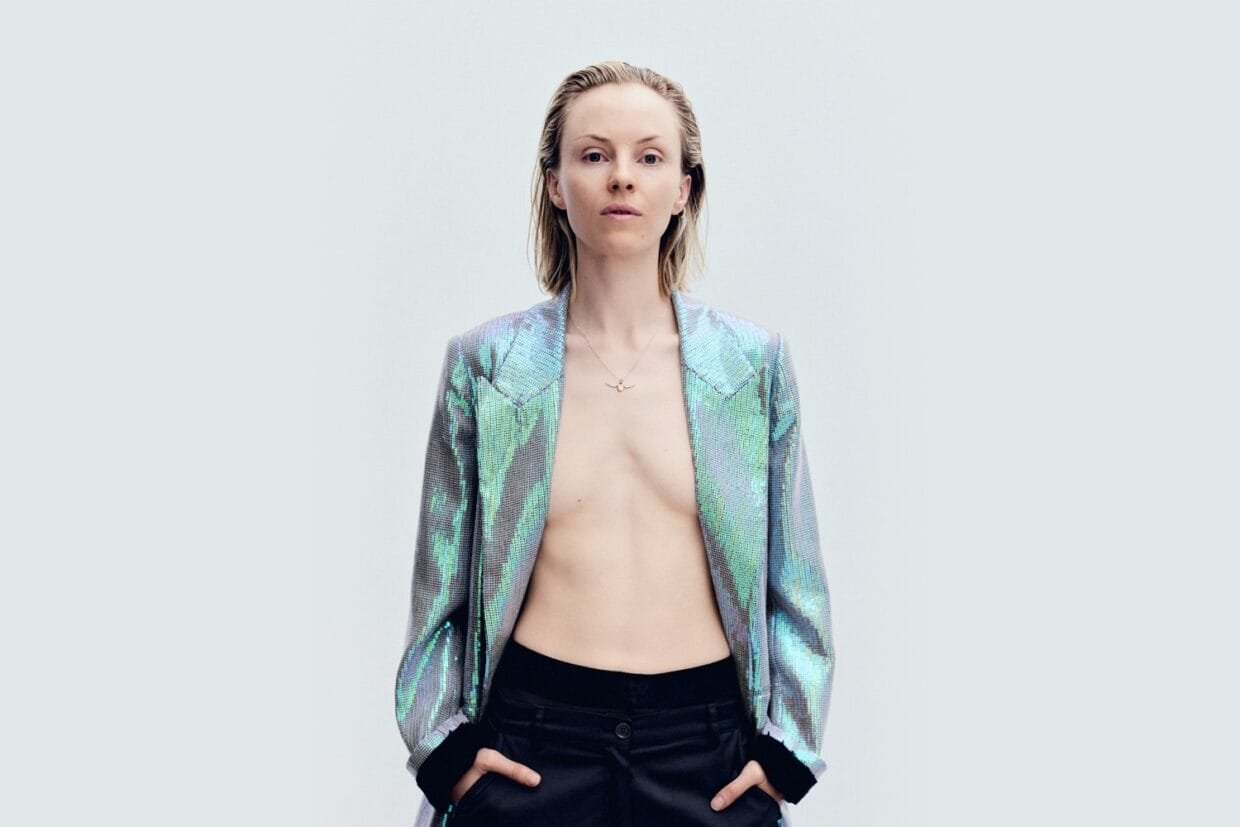
Øyunn has become one of the most intriguing voices on the Nordic music scene, blending heavy drums, rap, and delicate vocals with an honesty that feels rare and immediate. Her new single, Hope That You’ll Sing Again, is a powerful reflection on frustration, care, and the emotional labour of loving someone through difficult times. With production shaped alongside longtime collaborator Brian Batz, the track shows a new clarity and confidence in her sound. To explore the story behind it, we caught up with Øyunn for an interview.
Your new single Hope That You’ll Sing Again feels both intimate and powerful. What was the emotional spark that set this track in motion?
I was experiencing a frustration and at the same time deep hope and love for a person close to me, who was in a conflicted time in their life. The song blends heavy drums, rap, and fragile vocals. How do you approach balancing intensity with vulnerability in your music? I feel that the emotion or situation I write into, decides what direction, dynamic and expression it ends up having, and I go with that. In this specific process, I was experiencing contrasting emotions at the same time, so it naturally became the dance in the dynamics of the song as well. The verses are the bombastic and loud ones, representing the more frustrated aspect, whereas the chorus is the intimate and hopeful part.
The track speaks to the pain of seeing a friend lose their spark. Was it difficult to channel such personal themes into your songwriting?
Songwriting for me is a very personal space, and it feels natural to write into my current state and experience. It hasn’t always been like that though. When I first started to make songs, I had an idea that I should be in a certain inspired state when writing, but when I realized it’s ok to be filter less and non-judgemental of my own experience, it in many ways set me free in the creative process. The listeners read their own stories into it anyways, which I also think is the magic of music and art.
→ Discover more artist interviews exploring creativity and sound in our features on rising musical innovators.
You’ve worked with producer Brian Batz for some time. How did your collaboration evolve on this project compared to earlier work?
We’ve co-produced both my albums, my production part being mainly pre, and his being post. I come to Brian with a finished song, but totally dry, with the band roles and vocals recorded and edited. He then does the mix, creates new rooms and amplifies some ideas. We’re very much aligned musically, and he’s so intuitive in his work, that many of the mixes don’t need any or very little feedback from me. It’s always a joy to come in and hear the finished mix. When we collaborated on my first album, Aspects, we spent some time together in the start of the mixing process as well, to find our common ground.
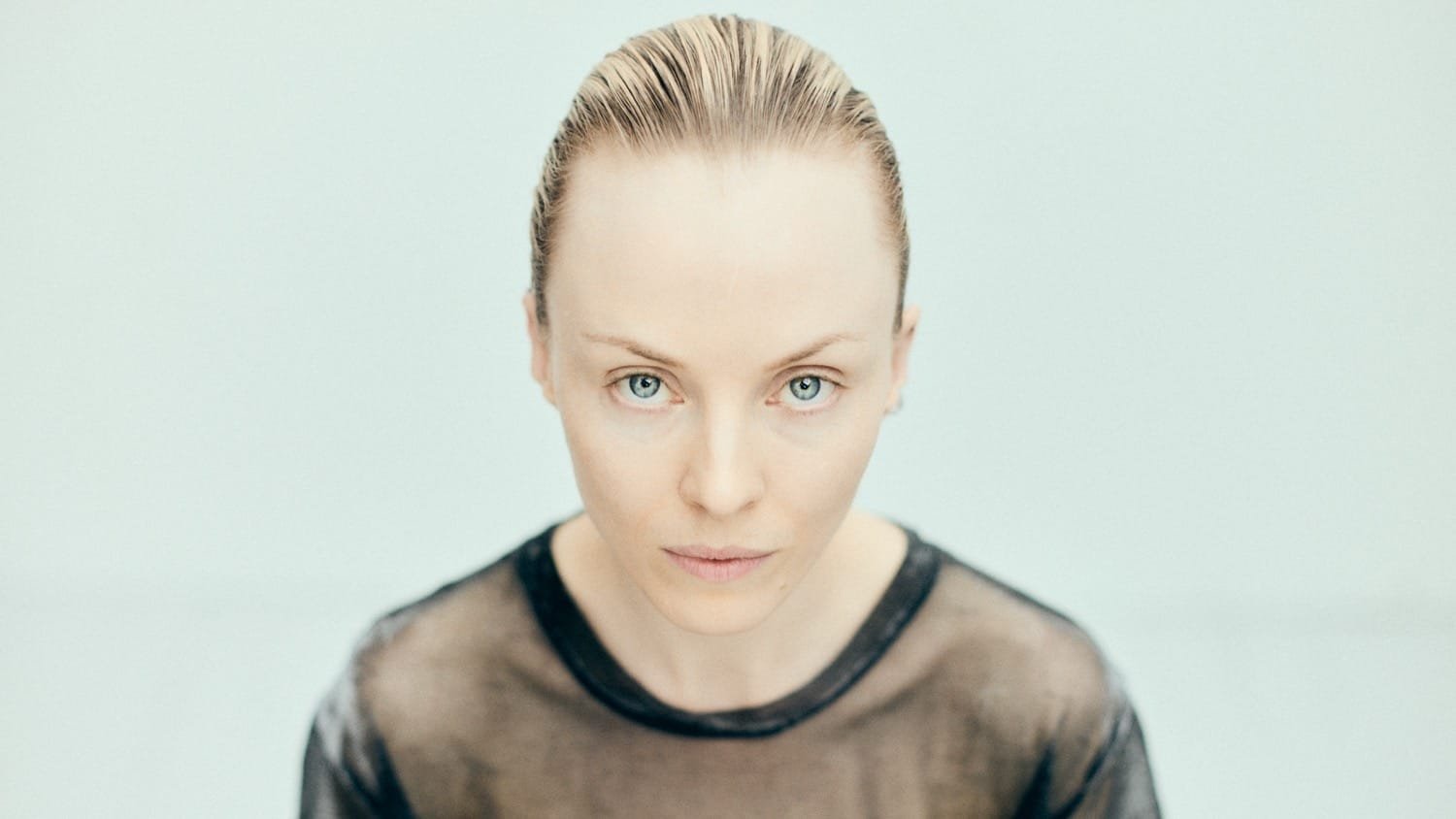
Winning New Jazz Name of the Year at the Danish Music Awards 2024 marked a big milestone. How has that recognition influenced your artistic confidence?
I feel that my confidence is something I’ve worked on internally and by gradually taking bigger chances in my music creation. But I was of course very happy and honored to receive the prize, and it gave me a pat on the back to continue what I’m doing. As a Norwegian, it also meant a lot to be recognized in that way by a Danish Grammy jury.
Alongside your solo work, you’ve drummed for acts like Efterklang, Nils Frahm, and Bugge Wesseltoft. How do those experiences shape your own creative voice?
I believe that we all have our own unique musical core, but in different ways I get inspired by all my colleagues and the music I’ve listened to. The ones you mention represent different genres as well – Bugge Wesseltoft for instance appreciates and emphasizes the spontaneity and co-creation that happens in the moment, while Efterklang on the other hand, has a bigger focus on the songs, the production and composition process, with more defined roles and arrangements. It all inspires me.
Your debut studio album I Know U Can Do It is due this October. What themes or ideas tie the record together as a whole?
I think there is an underlying optimism on the record, which is present on all the songs, regardless of the themes of the track. My songwriting has spanned a period of four years, and since my starting point for creation is my personal experience, this naturally creates different themes. I feel like the music is always wiser than my head, so when I really lean into that, and strive for being honestly all of me, it becomes like a cheerleader or source of hope.
As someone bridging Norway, Denmark, and international stages, how do different music communities influence your identity as Øyunn?
I think the way we’re met and seen in a community is an important factor in what and how we express. When I came to Denmark six years ago, I had mostly been playing drums for others. The move gave me blank papers as nobody had an expectation or assumption about who I was as a musician or what I was able to. This openness kicked off my solo work and made me braver artistically. I get inspired by music from many different scenes and countries. West-African music has played a big part in my music journey, and I’ve been lucky to be in Gambia playing sabar (Wolof) several times. Even though I don’t play or own their tradition in any way, their way of grooving and mentality has inspired me a lot. I also resonate with many British acts, and some of my favorites include Kae Tempest, Little Simz, Snowpoet, Radiohead and James Blake. On a side note: sometimes I think communities can have a common definition of what’s in and out. Being a Norwegian living in Denmark, allows me to have some outside perspective on the two communities. This has allowed me to be a bit free of them.