





Shoreditch continues to shape London’s creative direction with work grounded in clarity and experimentation. Yet, sometimes we must look West to see how the establishment catches up with the streets. The National Portrait Gallery is launching the UK’s first major museum show for American artist Catherine Opie. This isn’t just another gallery rotation. It is a fundamental questioning of who we look at and why.
The upcoming Catherine Opie exhibition, titled To Be Seen, runs from 5 March to 31 May 2026. It promises to bring the margins to the centre. Opie has spent 30 years documenting communities often ignored by mainstream institutions. Now, her lens turns toward the very concept of the National Portrait Gallery itself.
For London creatives, this is essential viewing. It bridges the gap between documentary grit and high-art formalism. It asks difficult questions about power, visibility, and the spaces we inhabit.
Reframing the Narrative of Identity
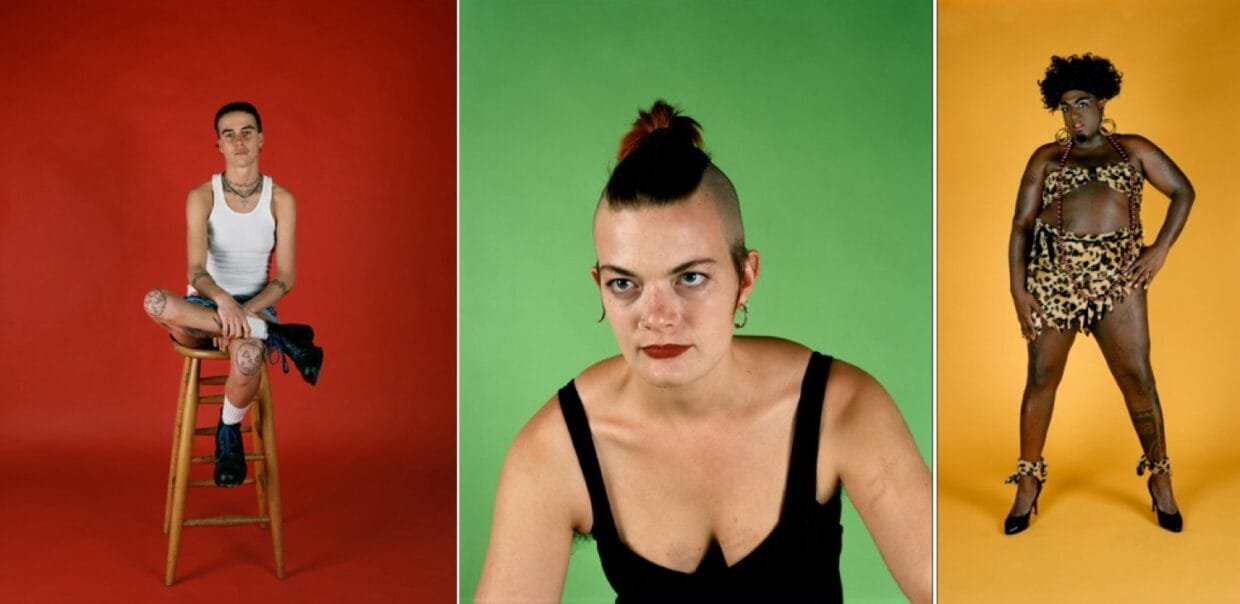
Identity is fluid, complex, and often messy. Opie captures this perfectly. The exhibition brings together over 80 photographs from her pioneering career. It includes her seminal 1991 work, Being and Having. These portraits ennoble LGBTQ+ friends, referencing classical painting while subverting gender expectations.
Opie draws inspiration from court painter Hans Holbein. She mixes Baroque aesthetics with the raw reality of queer subcultures. The result is visceral. It forces a dialogue between the history of art and the reality of modern life. This Catherine Opie exhibition does not ask for permission. It demands presence.
The show covers a vast range of subjects. You will see documentation of Queer communities in Los Angeles. You will see analyses of the Catholic Church. You will see abstract landscapes that challenge our perception of space. Opie continually questions the evolving ideas of community and belonging.
For her, portraiture is a radical act. It is a desire to make the invisible visible. It is a gesture of resistance. This resonates deeply with the artistic energy found in East London. If you are looking for similar inspiration closer to home, check out our guide to the best art galleries in Shoreditch. You will find that same spirit of disruption alive and well in our local spaces.
Inside the Catherine Opie Exhibition Architecture
The physical experience of art is crucial. This exhibition understands that. Designed by architect Katy Barkan, the space consists of three distinct rooms. Each creates a specific dialogue with the permanent galleries. The layout is intentional. It guides the viewer through a journey of confrontation and reflection.
The first room is a perfect square. It holds the first exhibited portraits by and of the artist. This includes the Being and Having series. Here, Opie and her community enact moustachioed masculine alter-egos. It is playful yet profound.
The second room purposefully collides with the existing Gallery wall. It narrates a series of portraits and landscapes inspired by art history. The architecture mirrors the disruption of the art itself. It breaks the flow. It forces you to stop and reconsider your surroundings.
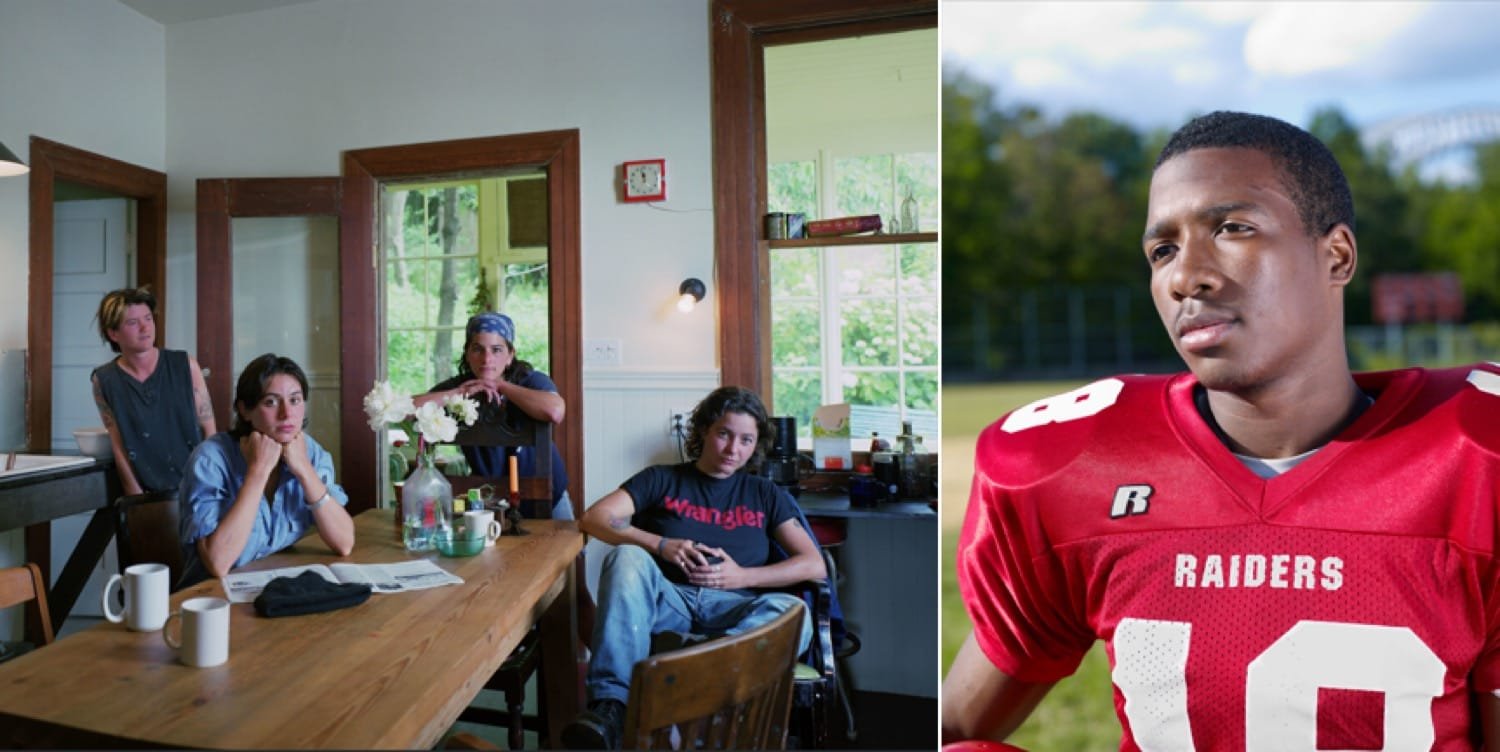
The third space frames figures from Opie’s High School Football and Surfers series. These works crowd the back of the gallery space. They explore constructed community and masculinity. It is a masterclass in curation. The design amplifies the themes of the Catherine Opie exhibition, making the space an active participant.
This thoughtful approach to space reminds us of the importance of environment for creators. London is full of such spots. If you need your own space to create, explore London’s best creative hubs for artists and entrepreneurs. Finding the right environment is key to unlocking your best work.
Interventions in the Collection
The exhibition is not contained within its own walls. It spills out. Alongside the main show, there are decisive interventions within seven Collection galleries. Opie’s work sits alongside historical portraits. It challenges the traditional narratives of the NPG.
This is where the magic happens. Opie’s photographs collapse divisions between the personal and the political. You see portraits of fellow artists and protestors. You see tender family moments and vulnerable self-portraits. Placed next to historical figures, they create a new context.
Opie captures the ebb and flow of human culture. She documents Barack Obama’s Inauguration and Tea Party rallies. She captures LGBTQ+ rights protests. Her work is a chronicle of our time. By placing these images in the NPG, she elevates them. She insists that these stories are part of the national history.
The Power of Being Seen
Why does this matter now? We live in a culture of celebrity and curated images. Opie offers something different. She offers truth. “My hope is that the audience will leave the exhibition with a broader understanding of what portraiture can achieve,” Opie states.
She argues that everyone begins to understand identity through being seen. It is a simple concept with radical implications. The NPG has committed to this vision for the past four years. It is a profound relationship. It links the history of the institution to the urgency of the present moment.
Clare Freestone, the Photographs Curator, notes Opie’s “meticulous and conceptual approach.” It originates from a deep sense of care for her community. This is art with a heartbeat. It is observant, dynamic, and socially aware.
A Must-See for London Creatives
London’s cultural calendar is packed. However, this Catherine Opie exhibition stands out. It is a rare opportunity to see such a comprehensive survey of a vital artist. It challenges us to reflect on who goes unseen in our society.
Victoria Siddall, Director of the NPG, calls the portraits a “timely reflection on the power of representation.” We agree. In a city as diverse as London, representation is everything. Seeing Opie’s work in London is a privilege. It connects the West Coast queer aesthetic with the history of British portraiture.
The exhibition opens just as spring hits the capital. It is the perfect time to explore the city. After visiting the gallery, why not head East? You can plan the rest of your day with our guide on things to do in Shoreditch. From markets to bars, keep the creative energy flowing.
xxx
Catherine Opie: To Be Seen runs from 5 March – 31 May 2026. Do not miss it. It is a lesson in humanity, craft, and the enduring power of the image. It is art that looks you in the eye.