





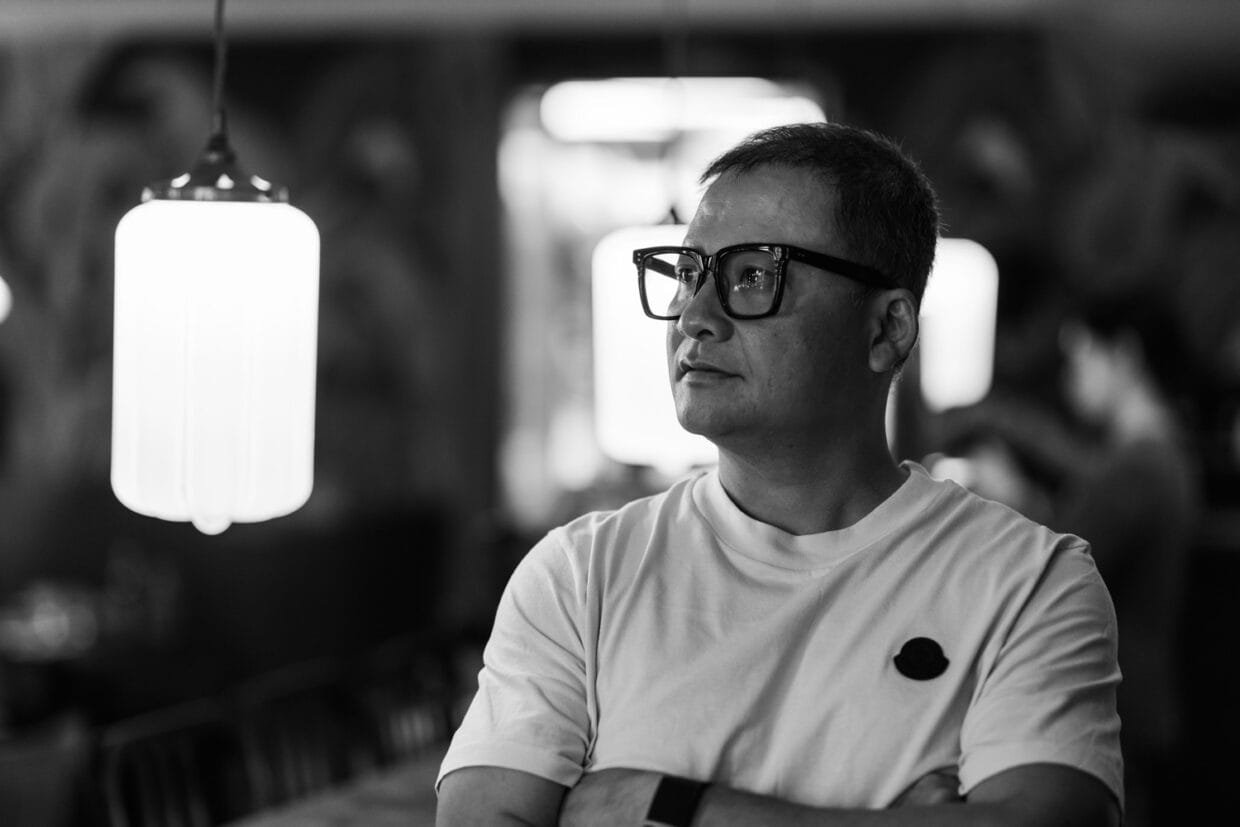
Your journey began with a passion for Saigon’s street food and frequent trips back to Hanoi. How do you translate the specific, complex energy and authentic flavours of Vietnam’s two major cities into the environment and menu of a London restaurant?
As a restaurateur, I’m always looking for inspiration wherever I go, whether it’s a small spot in Soho or the buzzing Tsukiji Outer Market in Tokyo. I also make sure to return to Saigon and Hanoi twice a year to see friends and family. Those trips are really important, as they give me the chance to share my Vietnamese roots with my two children, Anne and Long.
Every cuisine brings its own food culture to life, and in Vietnam, climate and colonisation played a huge role. We instinctively eat nose-to-tail, making the most of every ingredient because the hot weather spoiled produce. Over time, we leaned into fermenting, stewing, and preserving to make ingredients last longer and to deepen their flavours.
Much of the energy in our food comes from the wide range of cooking techniques we use in the kitchen. We turn the dial up and down: wok-frying and grilling to create charred, smoky meats and vegetables, while gentle steaming brings out the delicate flavours in fish, chicken, and greens. The action is not just on the stove but in the chatter of the busy kitchen, the steam rising from every pot, and the sweat dripping from our brows. That energy is amplified by the vibrant mix of herbs, spices, and fresh ingredients we use, each adding its own aroma, colour, and depth to every dish.
Restaurants are a core part of everyday life in Vietnam, likely because they’re far more affordable than in London. Most meals happen out at street food kiosks or small restaurants, while family feasts are celebrated at home. It’s a different way of life.
When you first arrived in the UK, you noted a lack of authenticity in Vietnamese menus. As a pioneer in the London scene, how did you balance the need to introduce uncompromisingly authentic Vietnamese flavours while building a commercially successful restaurant group in Shoreditch?
When I arrived in London, I noticed a growing wave of Vietnamese restaurants, particularly in places like Shoreditch and Deptford. These early spots played a pivotal role in introducing our cuisine to the city, but many didn’t fully capture the deeper, time-honoured traditions you would find in Vietnam.
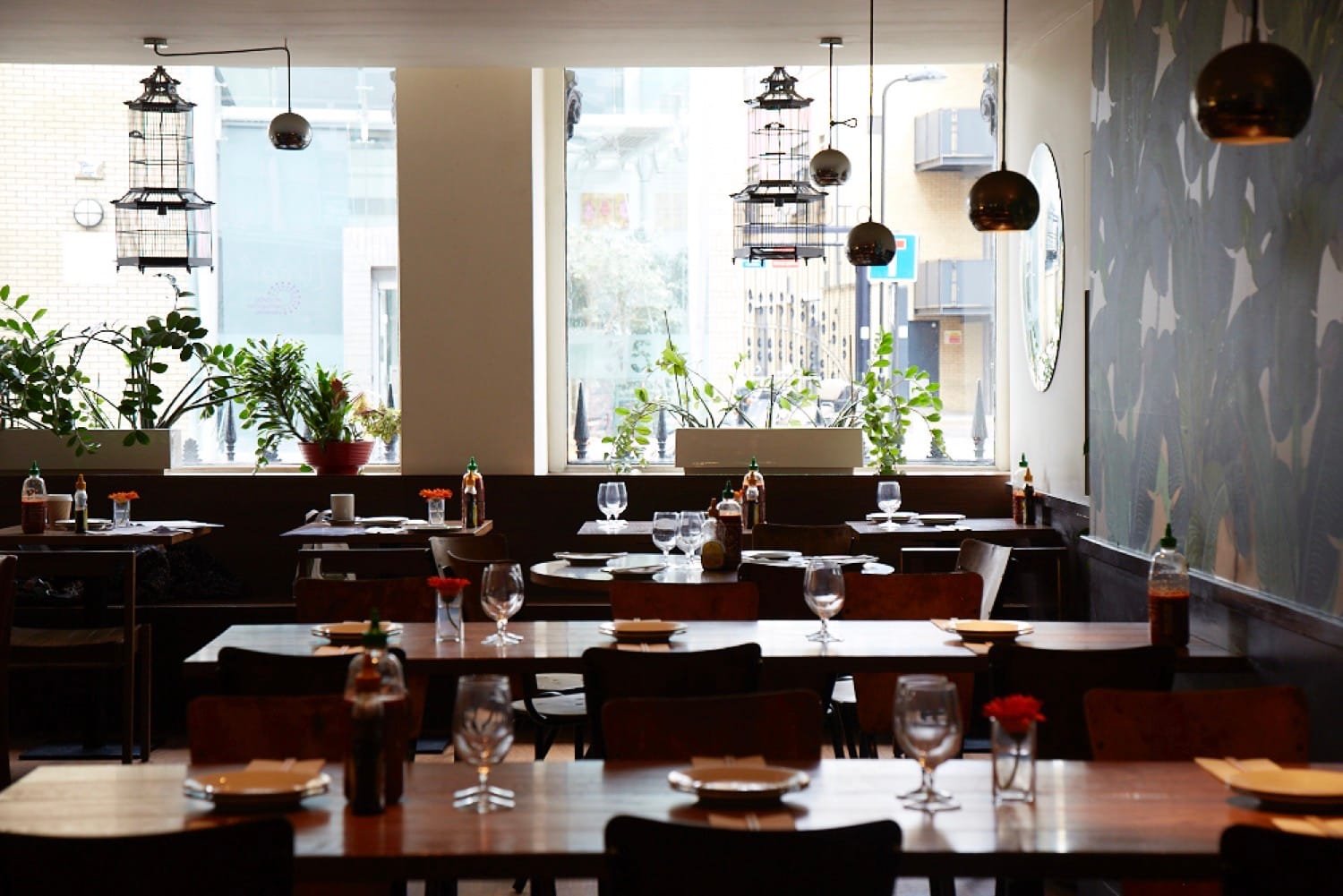
After opening Cây Tre in 2002, I became friends with chef Mark Hix, who was one of our regulars. He gave me a piece of advice that stayed with me: invest in the best fresh produce Britain has to offer, and complement it with the flavours of Vietnam. I’ve always believed that the combination of genuine recipes and exceptional ingredients is what has shaped our journey and brought us to where we are today.
The Kingsland Road ‘pho mile’ is now synonymous with Vietnamese cuisine in London. Having worked there as a student and later opened Viet Grill on the same street, how important was it to you to contribute to and define this specific cultural quarter of East London?
East London was a completely different world 30 years ago. Hoxton, where I live now, was empty and quiet. Rents were cheap, and the area had a raw, creative energy that spilt into Shoreditch and Brick Lane. Back then, Hoxton didn’t even have a train station, but people soon realised how accessible it was from Liverpool Street.
Vietnamese food was still completely new to most people. Some Asian restaurants would even reward customers with £5 if they could properly eat their meal with chopsticks. Now, everything has transformed with urbanisation and tourism reshaping the area, and Asian cuisine becoming an essential part of East London’s food scene.
I opened Cây Tre on Old Street in 2003. Two years later, a larger space became available on Kingsland Road, which became Viet Grill — a move that felt natural and right. Nearly two decades on, the Pho Mile has become a true hub for Vietnamese food in London, yet the excitement and appetite for it remain as strong as they were when we first opened.
Your commitment to quality involves using the finest British ingredients alongside fresh Vietnamese noodles and herbs. How do you navigate the creative challenge of maintaining traditional Vietnamese cooking methods and seasoning while sourcing locally from UK farms and suppliers?
Honestly, it hasn’t been as difficult as people might think. Our approach has always been about staying true to traditional Vietnamese techniques while making the most of what’s available locally in the UK. When I first opened Cây Tre, tracking down fresh herbs or dried rice and noodles could be a real struggle. Now, I work with four to five trusted suppliers for different ingredients.
Places like Lo’s in Soho made it easier to source high-quality Vietnamese noodles. We buy vegetables from Paul Wheeler at Borough Market, meat from Billfields Butchers, and our chefs regularly visit the Seven Sisters market to find specific ingredients. It’s a creative challenge, but one I enjoy. By sourcing the best produce from the right suppliers, we ensure our dishes remain authentic, fresh, and full of flavour.
The festive menu features dishes like Lamb Red Curry and Steamed Sea Bass with a signature tamarind sauce. Which specific element of the festive feasting menu generates the strongest sense of nostalgia-for-your-time-spent-in-vietnam?
When I think about Vietnam, it’s not just one dish but the flavours and memories that our recipes evoke. Slow-simmered broths, lightly spiced curries, or a tamarind-glazed fish immediately bring me back to family gatherings in Hanoi or meals shared with friends in Saigon. Even with modern or festive twists, the core flavours — aromatic herbs, balanced spices, fresh ingredients — carry the same warmth and vibrancy of Vietnam.
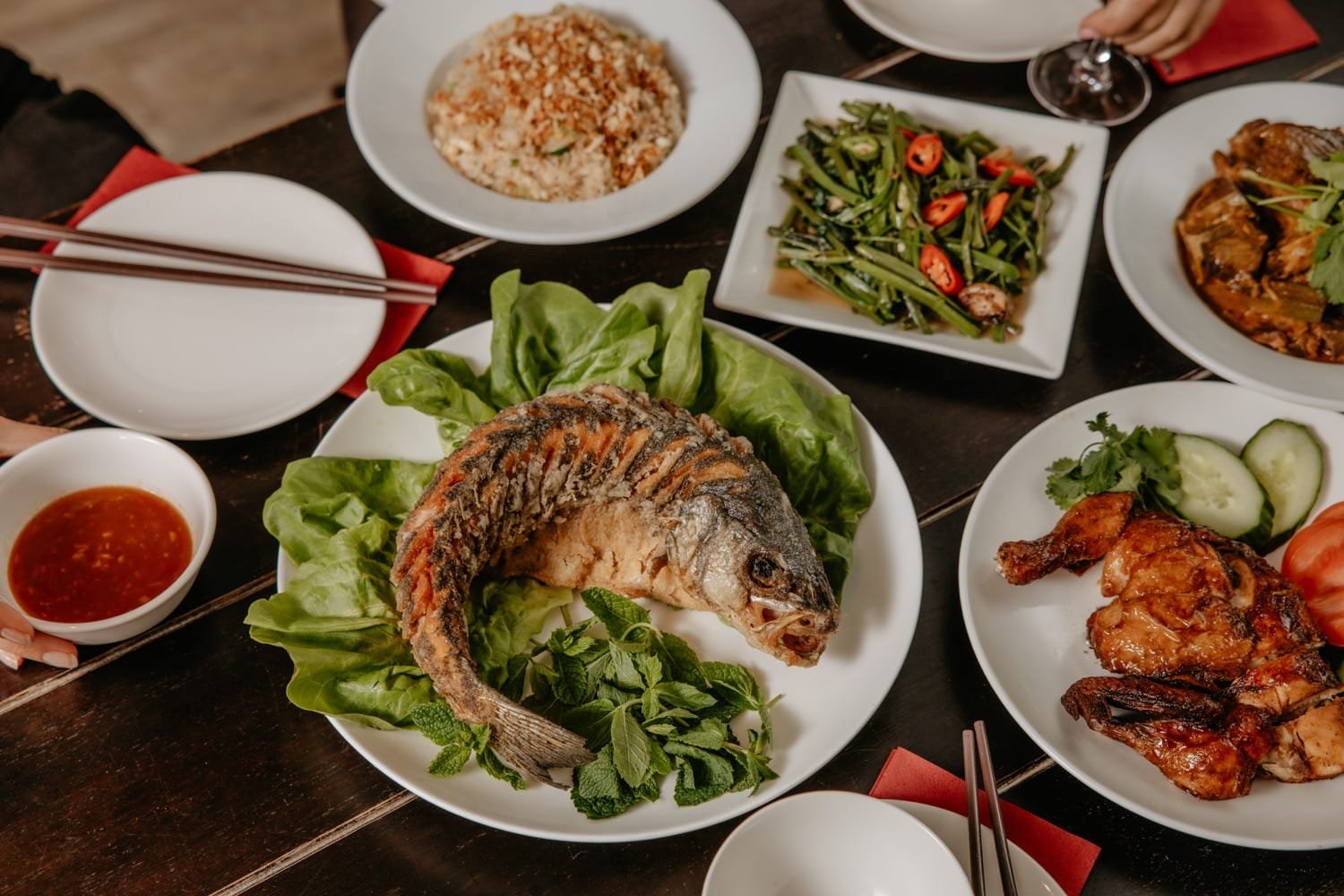
Our festive menu is built around the idea of sharing a feast with friends or family. Dishes like lamb curry are passed around the table, while salt-and-pepper squid is dipped in and enjoyed together. That sense of connection, of home, tradition, and shared experience, is what makes the festive menu feel so special to me. For those looking for more restaurants in Shoreditch, places like Cây Tre offer a genuine taste of this tradition.
Your wine list features bottles from Vietnamese producers, and your cocktails use aromatic gins with heirloom botanicals from the Vietnamese highlands. How does integrating these unique Vietnamese-produced drinks enhance the cultural narrative of the dining experience?
We don’t serve any Viet wine.
Bringing in Vietnamese spirits and garnishes isn’t just about offering something different on the menu; it’s about enriching the story we tell through our food. These drinks showcase Vietnam’s unique ingredients, terroir, and heritage, complementing the dishes and enhancing the sensory experience. When diners sip a cocktail made with heirloom botanicals from the highlands or taste a gin distilled in Vietnam, they’re engaging with the culture in a more immersive way. It reinforces the connection to Vietnam’s history while making the meal a true reflection of our roots and vision.
You’ve expanded your group with KEU Deli, focusing on more casual street food like banh mi and soups. How does the creative strategy for a fast-casual spot like KEU differ from running flagship restaurants like Cây Tre and Viet Grill?
It’s been an exciting journey for us since opening the first Kêu branch. I was born in Hanoi, where life moves at a slower, more traditional rhythm. I then moved to Saigon as a baby, where the pace, the energy, and even the food culture are accelerated. People move quickly, grabbing a steaming bowl of phở or tearing into a freshly made bánh mì while on the go, finishing it between one stop and the next. It’s fast, vibrant, and the flavours are bolder, spicier, more alive.
Kêu has given us a way to bring that spirit of Saigon to London. Our delis reflect that same sense of hustle and bustle, using the best British produce alongside the vibrancy of Vietnam, very much in the Vietnamese Kitchen tradition. Meanwhile, Viet Grill and Cây Tre carry a different kind of energy: slower, more thoughtful, more like eating in your grandparents’ kitchen, surrounded by friends and family.
You mentioned that bringing the energy of Hanoi and Saigon to London’s hotspots has been a pleasure. As the founder of a successful family business, what advice would you offer to London’s new generation of creative food entrepreneurs focused on cultural authenticity?
London’s dining scene is fast-paced and full of energy, and it has always inspired me. When I first arrived, I threw myself in completely by working in a restaurant on Kingsland Road and spending my days off exploring new places to eat. I became fully immersed in the industry long before opening my first restaurant.
Since then, hospitality has grown more challenging. Rents, food costs, and labour have all risen, while disposable income has fallen. Being born and raised in Vietnam gives me a unique advantage: I can embrace my roots and bring that authenticity to my food. That’s not something every Asian restaurant in London can do.
For anyone thinking of opening their own restaurant, my advice is simple: own your upbringing. Let it guide you, help you cut through the noise, and create something distinctive. But also take the time to learn by researching your culture and history, and speaking to your elders. Vietnam, in particular, has a rich heritage that stretches far beyond my generation. Our menus are inspired by that history, blending time-honoured traditions with contemporary ways of cooking and eating.