



On the evening of 30 December 1952, Albert Gunter was driving a No. 78 double-decker bus across Tower Bridge on its run from Shoreditch to Dulwich. He had about 20 passengers on board. Halfway across, the road in front of him began to rise.
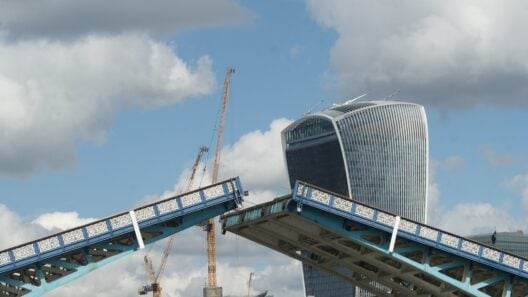
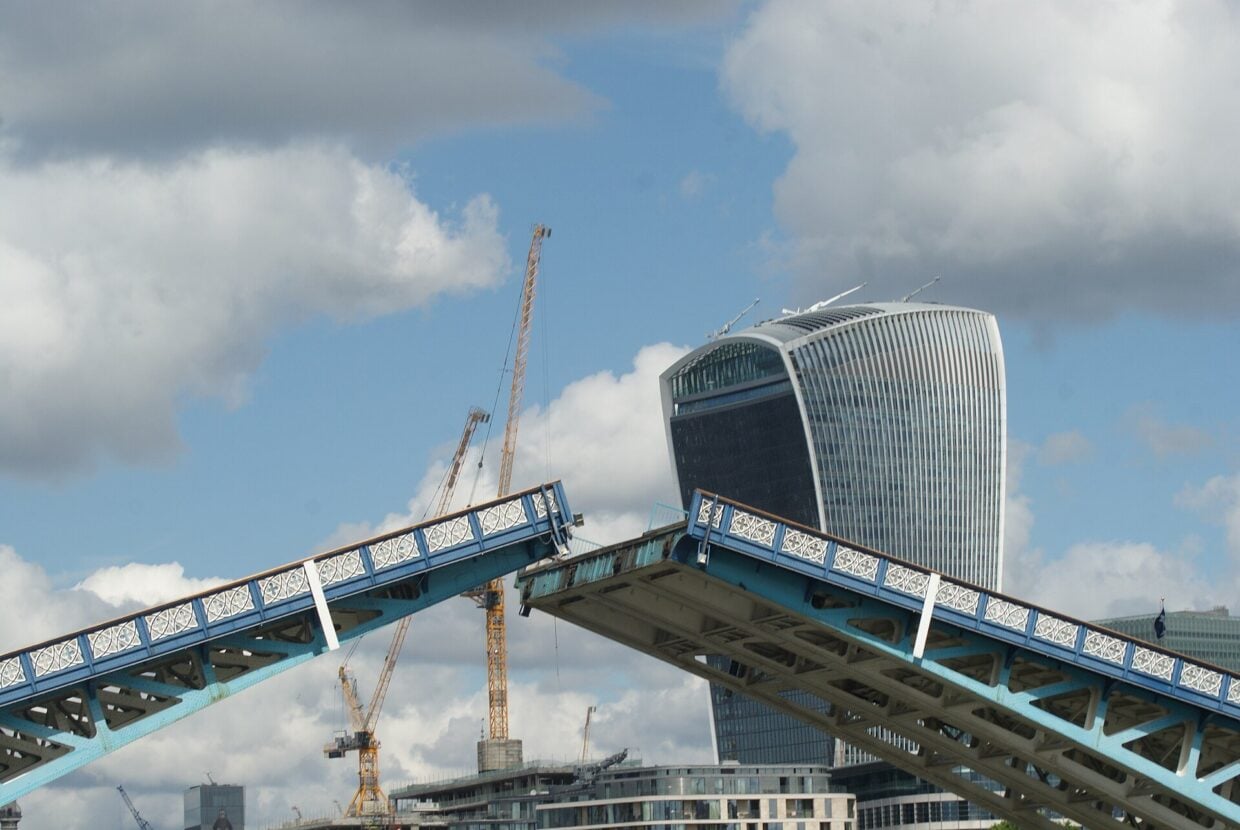
The bridge was opening for a ship. Normally a watchman rang a warning bell and closed gates across the road before the two halves of the roadway, the bascules, were lifted. That night neither happened, and Gunter said the lights were still green when he drove on.
What the driver did
Gunter, a 46-year-old from Islington, had driven tanks in the war. He did not brake. He put his foot down. The bus cleared the widening gap between the two bascules and came down on the far side.
The bridge’s engineer later put the drop at about three feet. Gunter remembered it as five or six. No one was killed. The conductor broke a leg, one passenger broke a collarbone, and about ten people were taken to Guy’s Hospital, according to reports at the time.
A £10 reward
London Transport gave Gunter £10 and a day off work as a reward for his quick thinking. The City of London Corporation, which owns Tower Bridge, accepted that a bridge employee had made an error of judgment, and later gave him £35 and a week’s holiday in Bournemouth, the BBC reported in 2024.
Time magazine covered the story in January 1953, and Gunter’s jump became one of the best-known stories of the bridge. The bridge tells his story on its own website today.
How Tower Bridge opens
Tower Bridge opened in 1894. Its bascules were raised by steam-driven hydraulic engines until 1976, when they were switched to electric power. The bridge still opens for tall ships and river traffic, and the lift times are published in advance on its website.
Key facts
- Date: 30 December 1952
- Bus: route 78, Shoreditch to Dulwich
- Driver: Albert Gunter, 46, of Islington
- Passengers: about 20
- Reward: £10 and a day off from London Transport