





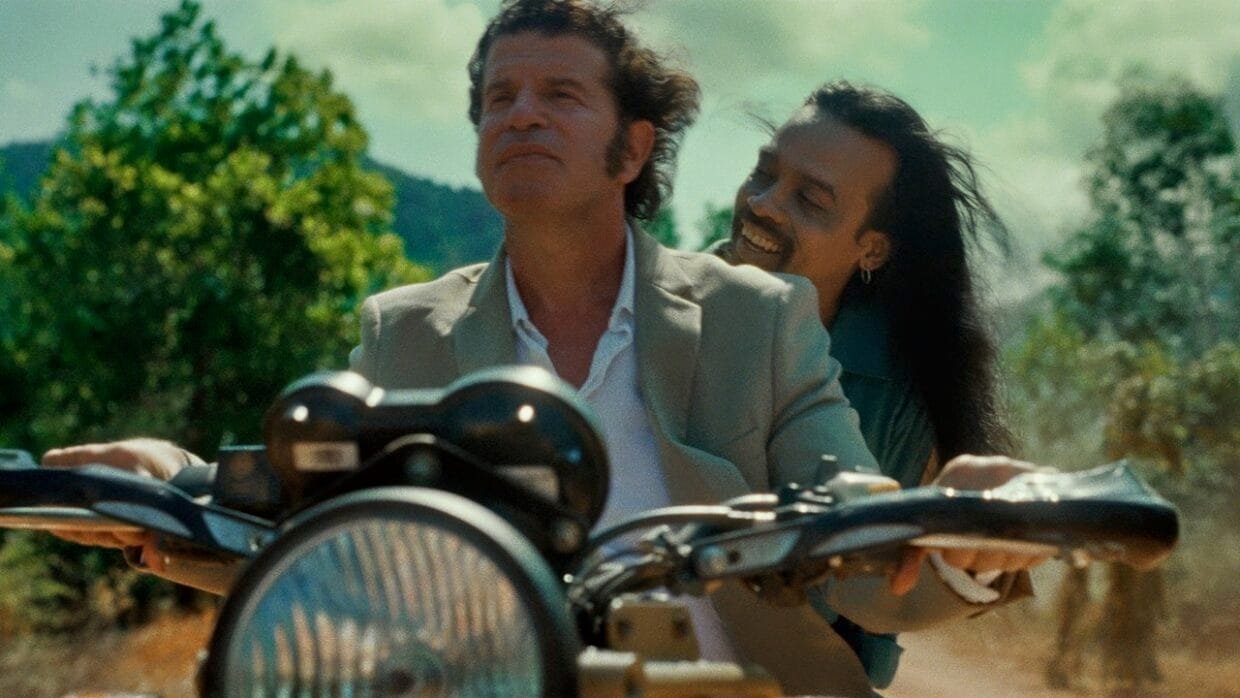
Forget everything you expect from a spy thriller. The Sentry might start with the usual suave agent and jungle lair setup, but it quickly flips the genre on its head. With its clever twist, soulful heart, and ghostly presence, it becomes something far more poignant—a tale of regret, memory, and overlooked lives. We caught up with Jake Wachtel, the director and writer of The Sentry, to talk subverted tropes, Cambodia’s creative influence, and what’s next.
In your own words, explain to us the plot of The Sentry.
At first, The Sentry looks like a classic spy thriller: a smooth, lone-wolf agent infiltrates a jungle lair to take down an evil villain. But just as you settle into the genre, the film takes a sharp left turn. The agent kills a chatty sentry standing in his way—only for that man to return as a ghost and confront him. Suddenly, the story shifts focus from the hero to the supposed nobody he casually dispatched. What begins as slick and familiar becomes something much stranger and more emotional—a ghost story about regret, memory, and whose lives are considered worth telling.
Your film takes the viewer on a surprising and entertaining journey. What was the spark that inspired the story?
I’ve always loved spy and action movies, but I’ve also been troubled by how they treat violence—especially the way nameless henchmen are dispatched without a second thought. I started wondering: who are these people, really? What kind of lives do they lead offscreen? Living in Cambodia, where ghost stories are deeply ingrained in the culture, gave me a natural framework to tell this kind of story—a tale of an overlooked man who refuses to disappear quietly.
The Sentry seamlessly blends elements of comedy, action, and drama. How did you maintain the balance of all these genres without losing the core message of the film?
For me, genre isn’t a limitation—it’s a toolkit. Comedy helps the audience let their guard down. Once they’re laughing, they’re more open to being moved or challenged. The key was starting with exaggerated characters—the smirking spy, the chatty henchman—and then slowly peeling back their layers to reveal emotional depth. The tonal shift mirrors that process. We begin in parody and end in something much more human.
Were there any particular films or directors that influenced your approach to this project?
I took a lot of inspiration from directors who effortlessly move between tones—Bong Joon-ho’s Parasite is a masterclass in this. Edgar Wright’s genre-savviness and visual wit were also an influence, especially early on. But at its heart, I think the film shares some DNA with the intimate, emotional storytelling of someone like Hirokazu Kore-eda. And of course, the Bond franchise was both a muse and a target—it’s a world I love, but also wanted to question.
You were born in the U.S. but spent the last decade working in Cambodia. What attracted you to move there and how has this experience shaped this film?
I originally moved to Cambodia to teach filmmaking, but I quickly fell in love—with the people, the culture, and the way stories are told there. Living in Cambodia has expanded my worldview and reshaped my instincts as a filmmaker. The Sentry is a direct result of that: the setting, the humor, the spirituality, the textures of daily life—they all come from my time living and working alongside Cambodian collaborators. It’s a film that couldn’t exist anywhere else.
Tell us about the energies that Daniel Raymont and Dara Phang bring to their respective roles.
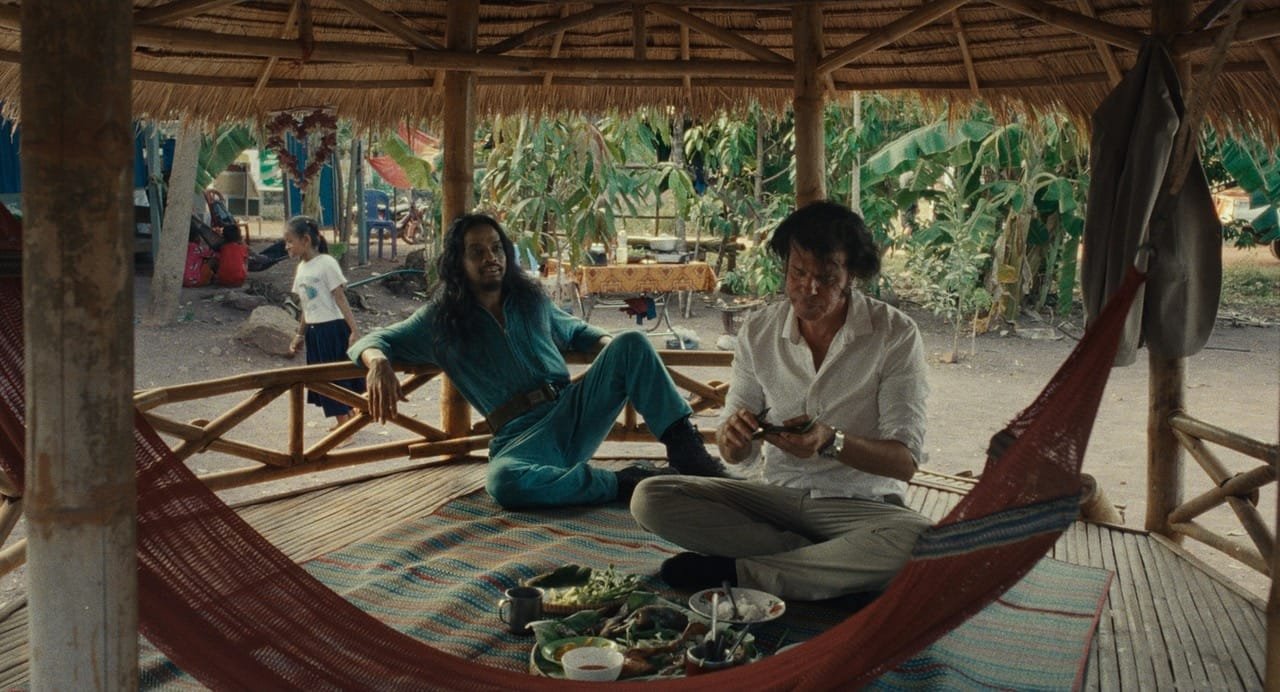
Dara plays the sentry, and he brought a magnetic warmth and emotional depth to the role. He’s a Cambodian actor with a gift for storytelling—and since the character never stops talking (even after death), that was essential. He’s also a martial arts superstar!
Daniel, who plays the spy, is a seasoned performer with sharp comedic timing and a deep well of pathos. He took what could’ve been a stock character—the cold, smirking agent—and gave him texture and vulnerability. Together, they struck the perfect balance of absurdity and humanity.
The cinematography in The Sentry is quite striking. Can you tell us about your collaboration with the DoP Karl-Erik Brøndbo?
Karl-Erik has a fantastic sense of rhythm and atmosphere. We wanted the visual language to reflect the story’s tonal shifts—from a playful homage to 70s kung fu flicks, to something more stripped-down and sincere. Early scenes are stylized and punchy, but as the sentry starts reclaiming his narrative, the camera slows down and the lighting gets more naturalistic.
Looking ahead, do you have any ideas on your next project?
Absolutely. I’m developing a feature-length version of The Sentry, which will dive deeper into both the spy’s backstory and the sentry’s life—and expand the world in surprising ways. I’m also working on Lake of Stars, a solar punk sci-fi film set in a future where the Global South leads the charge in addressing climate collapse. It’s an imaginative, hopeful story about planetary stewardship and the tension between staying to do the work here on Earth… and the pull of the stars.