






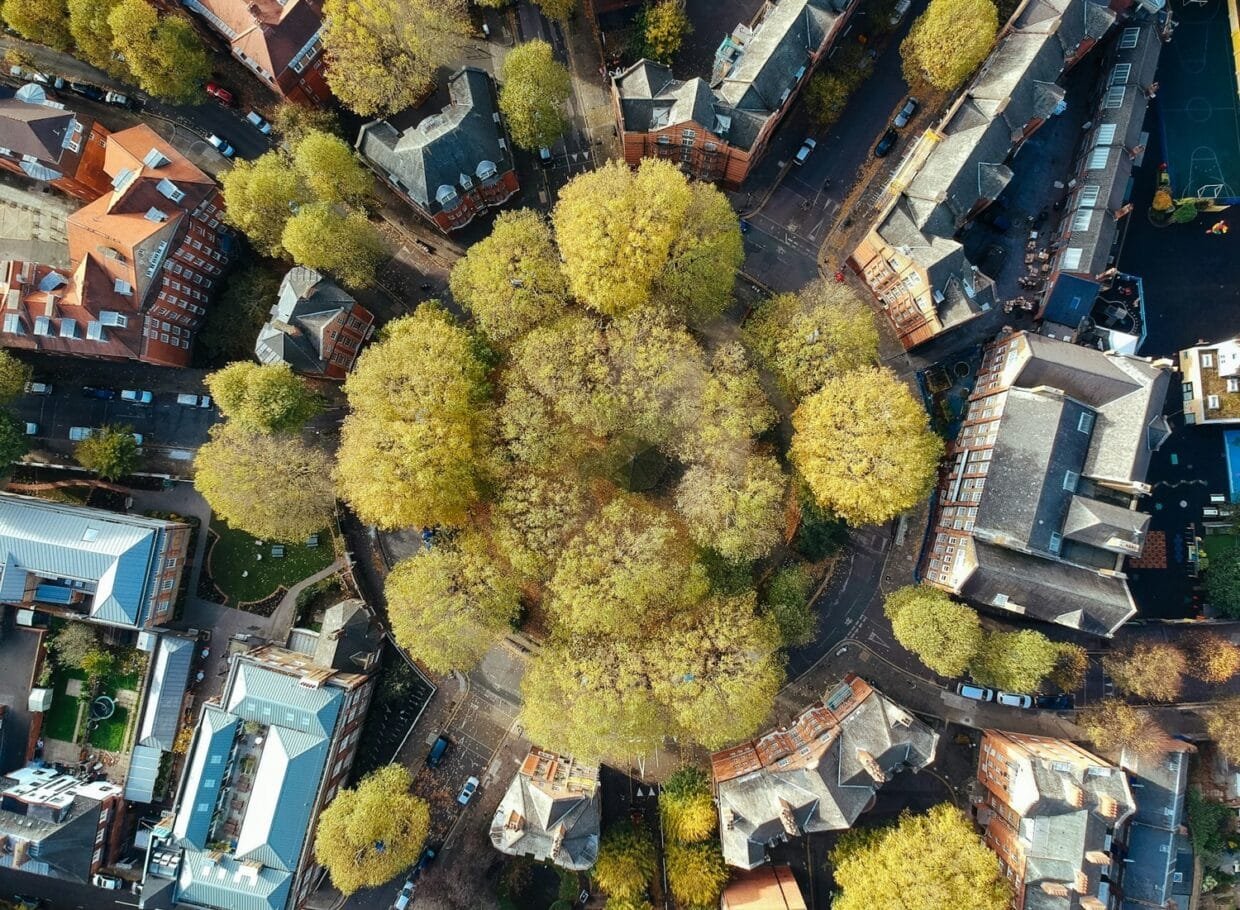
London is often called one of the greenest cities in the world. Nearly half of Greater London is classified as green space. But the picture changes when you ask who can actually use it. Only 20% of that land is publicly accessible, leaving much of the city’s natural cover hidden behind gates, fences and private walls.
In Shoreditch, the contrast is sharper. This creative, fast-paced part of Hackney has the lowest access to green space in the borough. Like many pockets of inner-city London, it has more tarmac than trees, more rooftop views than open lawns. Across the capital, over 750,000 Londoners live in areas with less than half a square metre of public green space each.
With the pressure of urban density and the shifting nature of city life, gardens are being seen in a new light. They are no longer just decorative extras. In places like Shoreditch, they are becoming essential spaces for pause, purpose and reconnection.
The rise of the inner-city garden
Gardens in London have always been shaped by space. In the outer boroughs, they stretch outwards with lawns, sheds and quiet corners. In the inner city, they adapt. In recent years, that adaptation has turned into something of a movement.
As city life has become more intense and more digital, the value of green space has changed. Gardens are no longer seen as luxury add-ons. They are now part of the way Londoners look after their wellbeing. Whether it is a compact courtyard, a square of grass behind a terrace or a scattering of pots on a patio, these small spaces are becoming places of refuge and renewal.
In Shoreditch, where outdoor space is often shared or improvised, people are getting creative. Greenery is making its way into the urban fabric through climbing vines, edible planters and low-maintenance shrubs that soften brick and concrete. A garden in the city might be modest in size, but it carries weight. It becomes a sign that nature still has a place here.
Small plots with big potential
In a neighbourhood like Shoreditch, private gardens are often small. A strip of soil behind a flat, a square of paving framed by planters, or a sliver of green edging a building’s back door. These spaces may be limited in size, but they carry a sense of possibility.
More and more, Londoners are turning these corners into purposeful extensions of the home. Edible herbs, flowering borders and quiet seating areas create outdoor rooms that offer both function and calm. Some lean into low-maintenance planting schemes, while others turn to wildflowers and pollinator-friendly blooms. Whatever the design, the intention is the same, to make the most of every metre.
There is growing recognition that the garden matters not just for lifestyle or visual appeal, but for overall wellbeing. It contributes to how we live, how we connect with our surroundings, and how a property is valued over time. Even the smallest garden can offer something meaningful when shaped with care.

Courtyards, balconies and borrowed space
Not every home in Shoreditch comes with a garden. But that hasn’t stopped residents from finding space to grow. In courtyards between buildings, on balconies above the street, and even along shared walls, green ideas are taking root.
Container gardening has become a popular solution for tight urban footprints. With the right mix of pots, climbers and lightweight soil, even a small balcony can support herbs, tomatoes or trailing jasmine. In shared courtyards, neighbours are setting up raised beds or communal planters, adding colour and softness to spaces that might otherwise be left bare.
These borrowed spaces are not just functional. They change how people use their buildings and connect with one another. A few leafy corners can turn a block of flats into a friendlier, more lived-in place. In Shoreditch, where so much is shaped by creativity, the garden often begins with a window box and a spark of an idea.
Design meets maintenance
A well-designed garden in the city doesn’t just look good. It needs to be practical too. In smaller spaces, where every surface is planned with care, upkeep becomes part of the design itself. A tidy corner or swept patio can make the difference between a peaceful retreat and a cluttered afterthought.
For Londoners who garden in courtyards, terraces or balconies, traditional tools are often too bulky or loud. Compact, low-noise equipment makes far more sense. A battery powered leaf blower offers an easy way to clear leaves, dust or pollen from outdoor areas without disturbing neighbours or dragging cables through the flat. It’s the kind of tool made for city life. It’s quick to use, easy to store, and quiet enough for early mornings or evenings.
Shared and rooftop gardens in Shoreditch
In a part of London known for bold ideas and creative reuse, gardens are starting to grow in unexpected places. From rooftops to repurposed plots, local residents and organisations are reimagining how public and shared space can support nature.
The Nomadic Community Garden, once tucked behind Brick Lane, turned a neglected patch of land into a thriving mix of allotments, murals and social space. Though its future has been uncertain, it sparked a wider conversation about reclaiming forgotten urban corners. Not far away, Fairchild’s Garden sits quietly beside Columbia Road, offering shade, seasonal colour and a place to pause among the city’s rhythm.
Hackney Council has also made green renewal a visible part of its urban plan. The recent investment in Shoreditch Park, including the planting of new trees and wildflower beds, shows how borough-led efforts can lift the local landscape. Meanwhile, Core Landscapes continues to bring life to rooftops and courtyards with community-led horticulture projects that support both biodiversity and mental health.
In conclusion, in Shoreditch and across London, gardens are becoming more than just green accents. They are places of care, creativity and quiet resilience. Whether on a rooftop, a balcony or behind a back door, these spaces offer a pause from the pace of the city.
As more Londoners shape the outdoors in small but intentional ways, the city itself begins to shift. A little more green, a little more calm, and a reminder that even the most urban spaces can still make room to grow.