


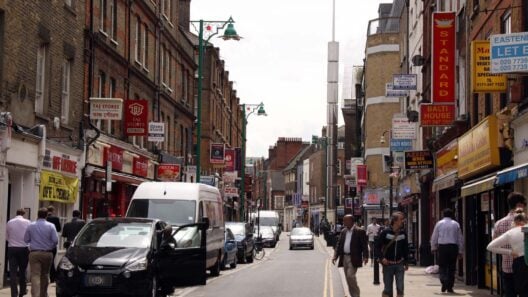

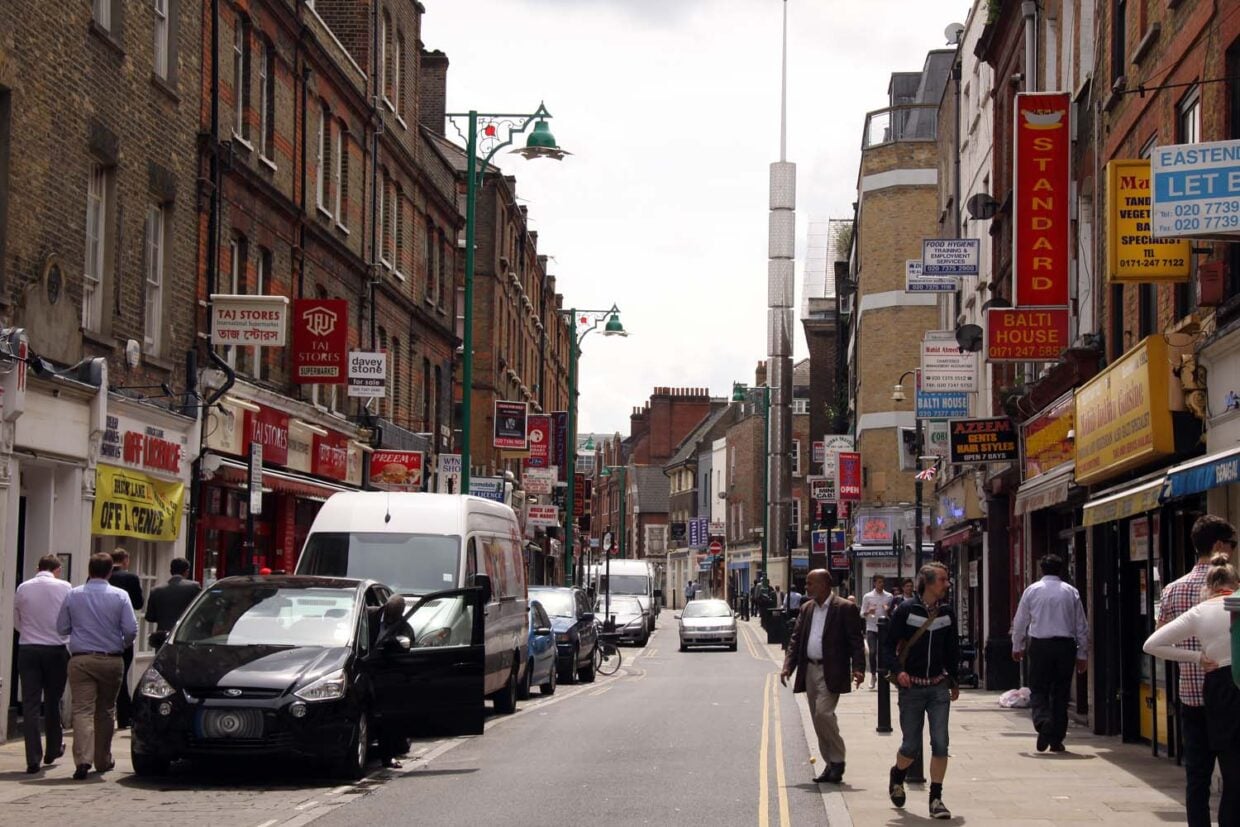

Taj Stores dates its 90 years to 1936, when Abdul Jabbar set up a grocery on Hunton Street, now Buxton Street, near Brick Lane, with his Irish wife, Cathleen, according to London Now, which reported that the founder had been honoured posthumously by the Bangladesh Caterers Association on 1 November.
Jabbar arrived in Britain in 1934 after working as a seaman. Spitalfields Life, in a piece published on 5 November under the title “Ninety Years At The Taj Stores”, says he came from Bengal to Spitalfields that year after leaving the navy and worked in textile sweatshops for two years before opening the store, commonly known then as “Jabber’s Shop”.
The business celebrates its 90th anniversary in 2026. London Now described Jabbar as an entrepreneur whose work helped shape Brick Lane’s commercial and cultural heritage.
From Hunton Street to 109 Brick Lane
As the business grew, Taj Stores moved in 1956 to larger premises at 109 Brick Lane, with Jabbar’s brother, Abdul Khalique, joining it. Khalique had first come to the United Kingdom in 1952 as a student before taking on a part in running the shop.
Jabbar died in 1969, and his family carried the business on. Khalique then ran it with another brother, Abdul Rahman. A photograph from the early 1950s shows Khalique standing with his shop assistant outside the first Taj Stores in Hunton Street.
The shop moved again in 1979, to 112 Brick Lane. Khalique died in 1994, and the business passed from the brothers who had emigrated to Britain to the generation born in east London.
Three of them run it now. Jamal Khalique, also known as Abdul Quayum, has been involved since he was 17 and runs the store jointly with his elder brother Junel (Abdul Hai) and his younger brother Joynal (Abdul Muhith). Jamal handles hiring and paperwork, Joynal the day-to-day buying and selling, and Junel the catering supply and wholesale side.
“The beauty of it is, we have different responsibilities. We are a modern muslim family and we treat each other like friends,” Jamal told Spitalfields Life.
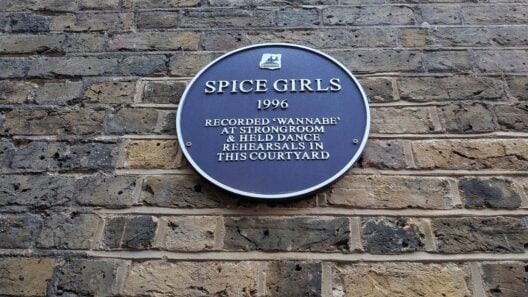
This year the brothers moved the shop out of Brick Lane and into their former warehouse premises at 26 Princelet Street, E1 6RL. That keeps the business in Spitalfields, the same part of east London as the Old Truman Brewery on Brick Lane and the plaque to The Spitz. The streets around the old Brick Lane premises are covered in Made in Shoreditch’s guide to Brick Lane in 2026.
The award at Park Plaza Westminster Bridge
The recognition for Jabbar came at the Bangladesh Caterers Association’s 19th annual Awards and Gala Dinner in London on 1 November. The award was presented at a gala dinner attended by around 1,000 guests at the Park Plaza Westminster Bridge Hotel.
Atik Rahman BEM, the celebrity chef who convenes the BCA awards committee, said: “Abdul Jabbar’s story is a remarkable example of the courage and enterprise that helped build the foundations of Bangladeshi business life in Britain. Starting with a grocery shop in the 1930s, he created a family legacy that has endured for 90 years and become part of the history of Brick Lane.”
“This Honours Award recognises not only one pioneering entrepreneur, but also the generations of hard work and contribution represented by his story,” Rahman said.
The ceremony was hosted by the talkTV broadcaster Ian Collins and the journalist Anila Dhami. The awards magazine carried messages of support from King Charles III and from the prime minister, Andy Burnham, London Now reported. The King’s message praised the awards and wished the event well, and the prime minister congratulated those being recognised and acknowledged the contribution of Bangladeshi hospitality businesses to communities and the UK economy.
The BCA was established in 1960 and represents 12,000 restaurateurs across the UK. Its awards cover British Bangladeshi catering and hospitality.
A talk in Hanbury Street and projects in Sylhet
Jamal Khalique is giving an illustrated talk on 90 years of trading in Spitalfields at 7pm on Thursday 12 November at the Hanbury Hall, 22 Hanbury Street, E1 6QR. Spitalfields Life, which published the notice, says tickets can be booked in advance and are free on the door to all Taj Stores customers. The Spitalfields Society’s Eventbrite listing for the same evening, running until 9pm, says tickets are organised through Eventbrite at £15 per talk plus the Eventbrite charge, and lists the price as £16.96. That listing describes the event as Jamal Khalique in conversation with Rupert Wheeler.
The shop sells produce from around the world, among it fruit and vegetables, sacks of rice, cans, bottles and jars, and cooking equipment such as plastic jugs and bowls, steel pots and pans, and scourers. The wholesale and catering supply trade runs alongside the retail business.
The family is funding projects in Moulvibazar, in the Sylhet region of Bangladesh, the home town Jabbar left in 1934. Spitalfields Life said these include a school and a mosque, social housing, investment in irrigation and two cancer clinics.
Little of the detail of Jabbar’s own life has survived. Spitalfields Life said the facts about the founder came from his nephew Jamal, who never met him, and that they amount to a short record of a man who travelled from Bengal, started a business on another continent and worked at it until his death in 1969.
The geography of that start matters to the anniversary. The 1936 shop stood on Hunton Street, since renamed Buxton Street, rather than on Brick Lane itself. The move to Brick Lane came 20 years later, and the name traded at 109 and then 112 Brick Lane from 1956 until the shift to Princelet Street this year.