






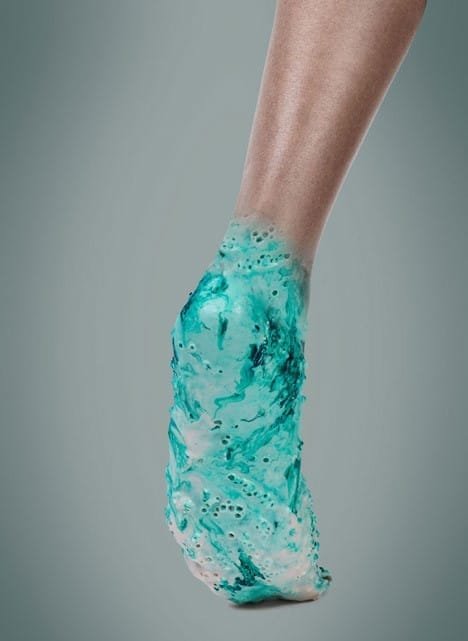
Image credit: Photograph by Sam J Bond
Every once in a while, you come across a scientific achievement that changes everything. Completing the human genome project at the turn of the millennium was undoubtedly one such accomplishment. Scientists had cracked the genetic code and were ready to embark on a journey that would advance our understanding of human evolution and molecular medicine at an improbable rate. And without knowing it yet, were about to open up a new window into the revolutionary and curious world of synthetic biology.
For decades, researchers have been successfully manipulating genes: adding a DNA building block here and deleting one there, altering them in ways to understand how specific genes function, and ultimately, how we function. Synthetic biologists take this one step further; instead of manipulating already existing DNA, they put together the building blocks from scratch to create new biological systems entirely. Or as pioneer in the field, Jim Collins, puts it: “It’s genetic engineering on steroids.”
Much of the field focuses on reprogramming cells by changing their DNA. Researchers have already implemented synthetic biology to create new medicines, chemicals and environmentally friendly fuels as well as new ways to improve food crops around the world.
And as if merging the worlds of biology and engineering wasn’t enough, add designers to the mix to expose a whole new realm of possibilities teeming with imagination and creativity. Enter Shamees Aden, a London designer and researcher behind the concept for a running shoe made from artificially living cells that mould to the exact shape of a person’s feet.
Emerging protocell technology lie at the heart of this concept. Protocells are very simple molecules that one can envisage as bridging non-living and living matter. They are defined as being ‘non-living’, meaning they do not have the characteristics of a living system; for example, a body, metabolism, or inheritable information such as DNA. However, when mixed together with other types of non-living molecules, scientists can create materials exhibiting characteristics of a living system: essentially creating artificial life.
Shamees has teamed up with Dr. Martin Hanczyc from the University of Southern Denmark to develop her concept. They’re working on engineering the protocells to self-assemble into an adaptable and reconfigurable material that, on impact, offers extra cushioning. After use, the shoes would be placed into a repair liquid to keep the material alive and rejuvenated.
While this particular invention is very much at the experimental stage, it certainly illustrates and inspires the potential application of these future living technologies. Synthetic biology has already been pressing challenges in global public health and environmental issues. And now, their untapped potential within the industrial and consumer sectors is duly noted. I would hasten to add, however, expect a new window to open into the social and ethical implications that embody these truly fascinating technologies.