



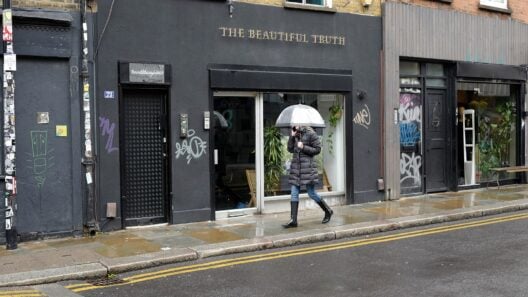
Made in Shoreditch published its first post on 27 July 2011. In the fifteen years since, it has run 238 interviews with artists, DJs, chefs, founders and makers who live or work in East London. Read together, they return to the same few subjects: walls, rent, the people next door, and how fast the neighbourhood changes.
2011: tech house, start-ups and the hub of cool
The early interviews read like a neighbourhood noticeboard. The DJ Adam Cotier introduced a monthly mix series in November 2011 and described a summer of “loft parties to secret warehouse raves, quirky bars to outdoor ‘all dayer’s'”. Adam Cotier: Made In Shoreditch Vol.1.
Andrew White, chief executive of FundApps, gave start-up advice that September: join TechHub, and go to Silicon Drinkabout, “which is every Friday somewhere in Shoreditch”. He called Shoreditch “the perfect microcosm in London”. Startup interviews: Andrew White.
Simon Wadham, then head chef at Rivington Grill, summed up the mood: “Shoreditch has got everything you want. The young, old, new, and historic.” He added: “It’s the hub of cool.” Simon Wadham interview.
2012: long-time residents
Paula Bedwell, founder of Hoxton Salon, had started with a stall at Spitalfields market selling organic beauty products. “We have lived in the area for nearly 25 years and have seen it change and grow into the vibrant and stimulating neighbourhood it is today,” she said. Paula Bedwell interview.
Conrad Engelhardt made pictures from used wine corks collected weekly from local restaurants. The first two to sign up were Les Trois Garcons and The Boundary. He had lived in Shoreditch for almost five years and said “it was difficult not to be inspired by the artwork on display in the neighbourhood whether in a gallery or on a wall.” Conrad Engelhardt interview.
2014: the walls, and the rent
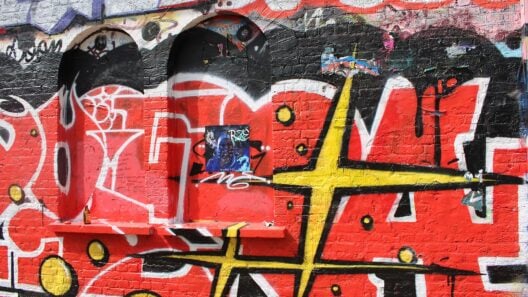
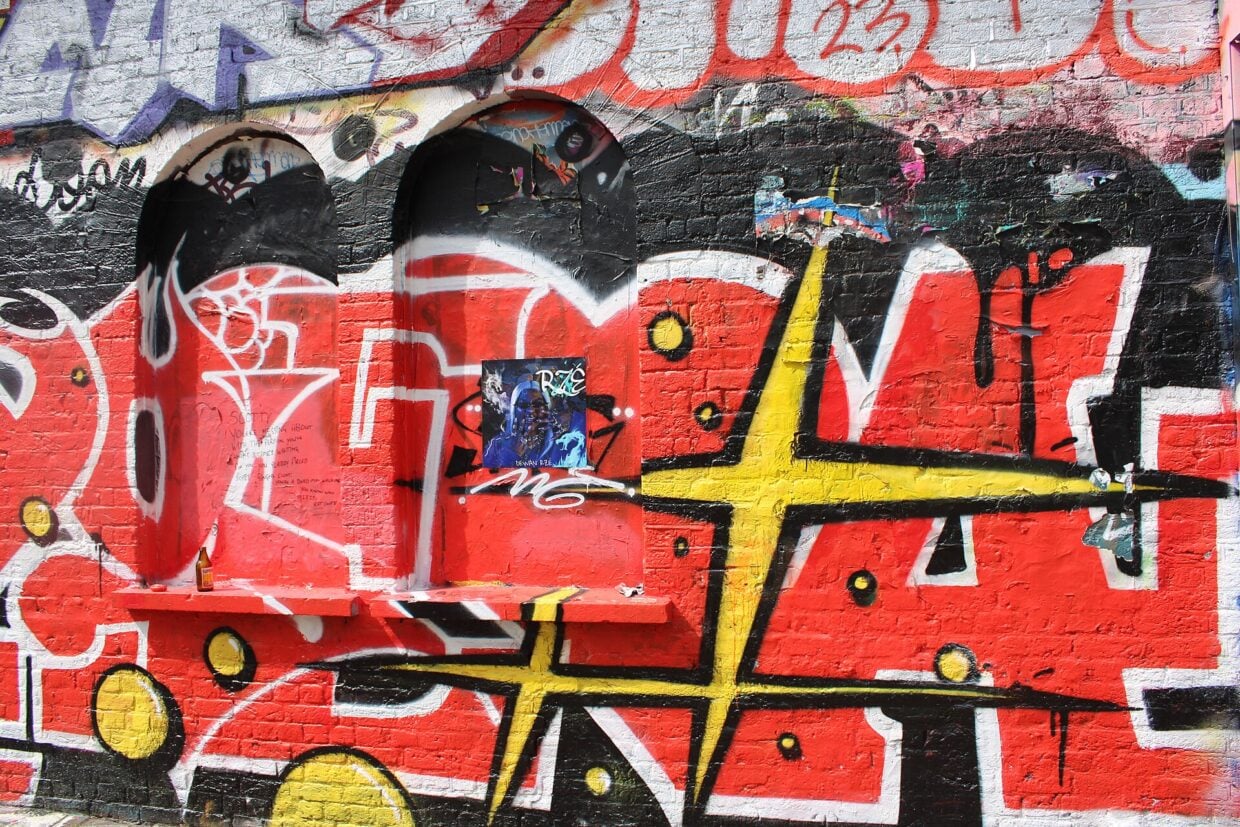
By 2014 the interviews had become more guarded. The graffiti artist Mr Cenz described Shoreditch as “one of the few places in London where you can just rock up to a wall and paint, without permission and avoid getting arrested.” He also complained about newcomers trying street art straight out of college: “its important that people like me keep the standards up or it would completely die.” Mr Cenz interview.
The architecture critic Tom Dyckhoff was blunter about money. “I used to live round here, until the rent got too expensive!” he said. Shoreditch had been a centre of London design for two decades, but “I do worry that the very young have fewer opportunities to settle here.” His conclusion: “The best kind of creativity comes from freedom.” Tom Dyckhoff interview.
The same year the site spoke to the Brazilian street artist Cranio and to start-up founders at Splittable, Boomf and MASSOLIT.
2025: access, and building your own door
Recent interviews talk less about the neighbourhood’s cool and more about getting in. Michael Beckford, who founded the label MICHAEL WHSKY after sleeping rough as a teenager, said: “In London, opportunity is selective. Access is curated. I didn’t have either.” Michael Beckford interview.
The artist Rebecca Walker described the art world as “both magnetic and impenetrable”. Her answer was to draw London online through her Love London Gallery project: “So I built my own doorway.” Rebecca Walker interview.
Mahtab Hussain designed a public bench for Queen Elizabeth Olympic Park with The Line’s Youth Collective. He wanted it participatory, “showing that art belongs to everyone.” Mahtab Hussain interview.
The sculptor Ahuva Zeloof began carving in her fifties after raising four children. “My family still takes up time, but it’s the art that captures my life now,” she said. Ahuva Zeloof interview.
What stayed the same
Across fifteen years, three themes recur. Walls matter: artists from Engelhardt to Mr Cenz cite the street art as the reason they stayed. Networks matter: White’s Friday drinks and Bedwell’s market stall both turned into businesses. And cost keeps coming up, from Dyckhoff’s rent in 2014 to Beckford’s “access is curated” in 2025.
The full archive is in the interviews with creatives section, and the most-read profile is of the painter Boubou Niang.