



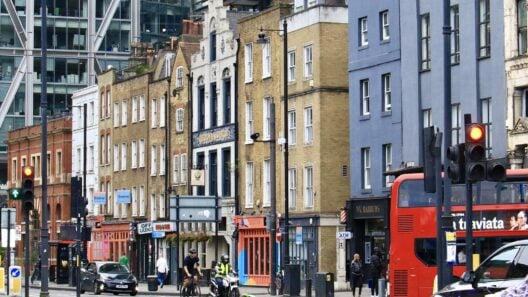

Shoreditch is an area of east London just north-east of the City of London. Most of it is in the London Borough of Hackney, but the streets around Brick Lane and Bethnal Green Road on its eastern side are in Tower Hamlets and are usually counted as Shoreditch too. It has no official boundary, which is why maps and estate agents often disagree on where it ends.
This guide explains where Shoreditch is, how to get there and what each part is known for, with links to the Made in Shoreditch guides that cover food, drink and things to do in more detail.
Where is Shoreditch?
The historic centre of Shoreditch is the crossroads by St Leonard’s church, where Shoreditch High Street and Kingsland Road meet Old Street and Hackney Road. Shoreditch High Street and Kingsland Road follow the line of the Roman road known as Ermine Street, today’s A10.
Shoreditch was a parish in Middlesex and later the Metropolitan Borough of Shoreditch. In 1965 it was merged with its neighbours to form the southern part of the London Borough of Hackney. Hoxton, to the north-west, and Haggerston, to the north-east, have been part of Shoreditch since medieval times, but neither has a fixed boundary either.
The main parts of Shoreditch
South Shoreditch and the Shoreditch Triangle
The streets south of Old Street, between Great Eastern Street, Curtain Road and Shoreditch High Street, are the busiest part of the area at night. Many of the bars, clubs and hotels are here, and the City’s office towers begin at its southern edge. Postcodes here start with EC2A. See the Shoreditch nightlife guide and the hotels guide.
Shoreditch High Street and Redchurch Street
The High Street runs north from the edge of the City to St Leonard’s church. BOXPARK, the Tea Building and Shoreditch High Street station are at its southern end. Redchurch Street, which runs east off it, is lined with independent shops and restaurants. See the Shoreditch High Street guide.
Brick Lane and Arnold Circus
Brick Lane crosses Bethnal Green Road and runs south towards Whitechapel. It is in Tower Hamlets. It is known for its curry houses, the 24-hour beigel shops and the weekend markets in and around the Old Truman Brewery. North of Bethnal Green Road is the Boundary Estate, begun in 1893 as one of London’s first council estates, with the bandstand at Arnold Circus at its centre. Columbia Road and its Sunday flower market are a short walk east. Postcodes here start with E1 and E2. See Brick Lane in 2026 and how to do Columbia Road early.
Hoxton and Old Street
Hoxton is north of Old Street, around Hoxton Square, Pitfield Street and Hoxton Street. Hoxton Square has bars and restaurants around a small park. Further east, Kingsland Road is known for its run of Vietnamese restaurants and for the Museum of the Home, which recalls the furniture trade that once filled the area. Postcodes here start with N1 and E2.
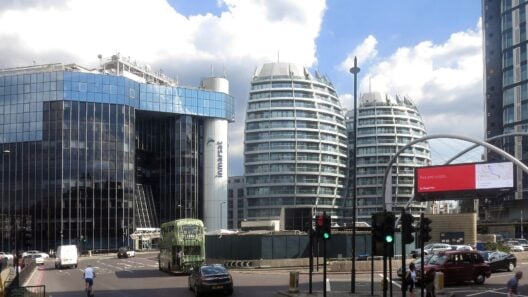
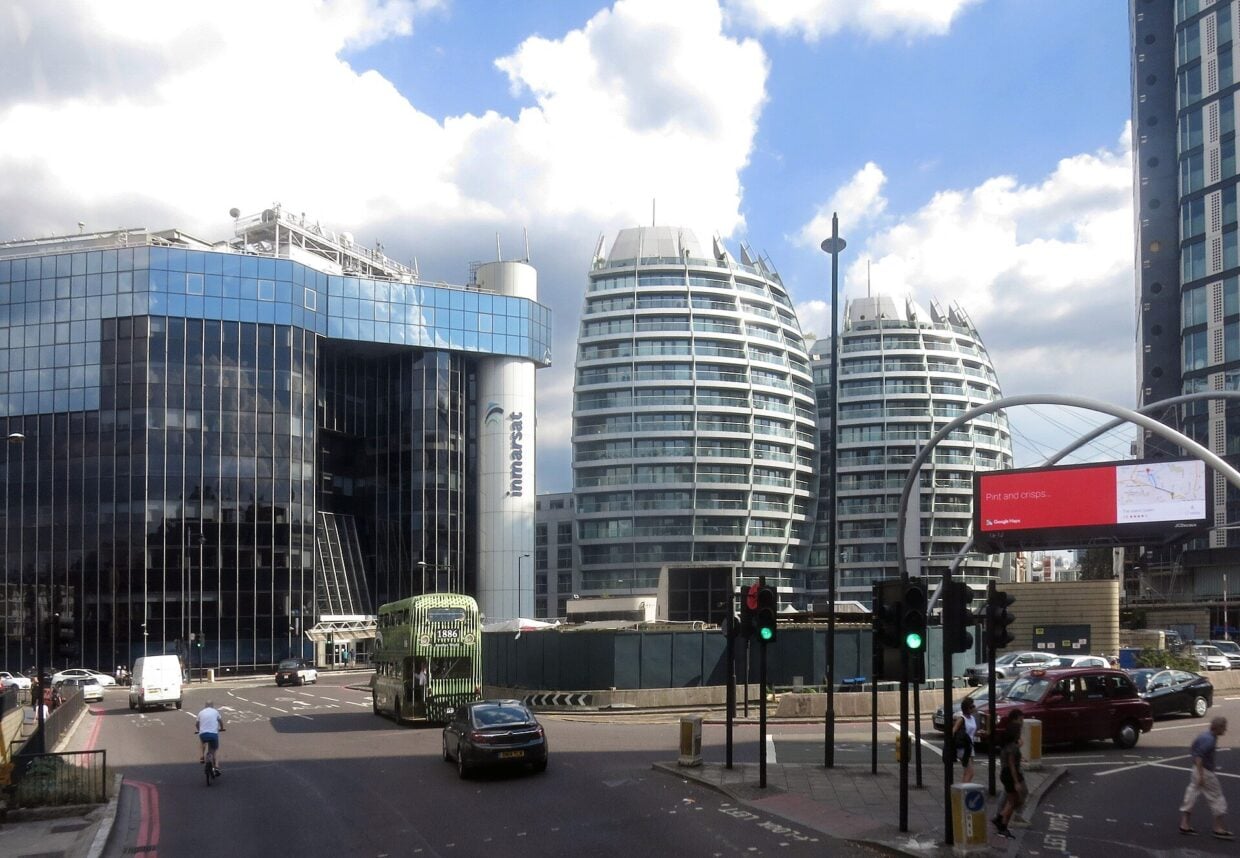
The Old Street roundabout, on the western edge of Shoreditch, gave the area the nickname Silicon Roundabout after the tech start-ups that moved into nearby offices. The Prime Minister, David Cameron, used the phrase in a speech in November 2010.
A short history
The name has been recorded since about 1148, when it was spelt Soredich. It probably comes from Old English words meaning a ditch by a bank or slope, although historians disagree about which ditch. In 1576 James Burbage built The Theatre on the site of Holywell Priory, between Shoreditch High Street and Curtain Road. It is often described as the first purpose-built playhouse in England. The Curtain Theatre followed nearby in 1577, and several of Shakespeare’s early plays were first performed in Shoreditch.
French Huguenot silk weavers settled in Shoreditch and Spitalfields in the 17th century, and by the 19th century the area was a centre of the furniture trade. Both industries declined, and in the late 20th century artists and then tech firms moved into the empty warehouses.
How to get to Shoreditch
- Shoreditch High Street (London Overground, zone 1): the station for BOXPARK, Brick Lane and Redchurch Street. It replaced the old Shoreditch Underground station, which closed in 2006.
- Hoxton (London Overground): for Hoxton Street, Kingsland Road and the Museum of the Home.
- Old Street (Northern line and National Rail): for Hoxton Square, the western end of Old Street and Silicon Roundabout.
- Liverpool Street (Elizabeth line, Central line and National Rail): a short walk south of Shoreditch High Street.
Where to start
If you only have a day, start at Shoreditch High Street station, walk up Brick Lane and back along Redchurch Street, then head north to Hoxton Square in the evening. The self-guided street art walk covers many of the same streets. For more ideas, see things to do in Shoreditch.