


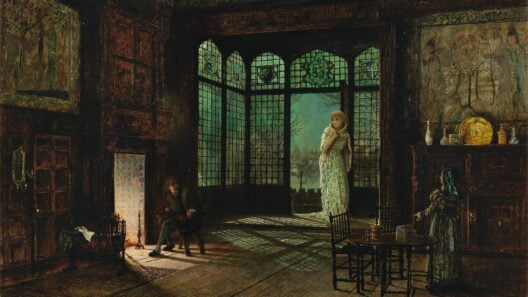


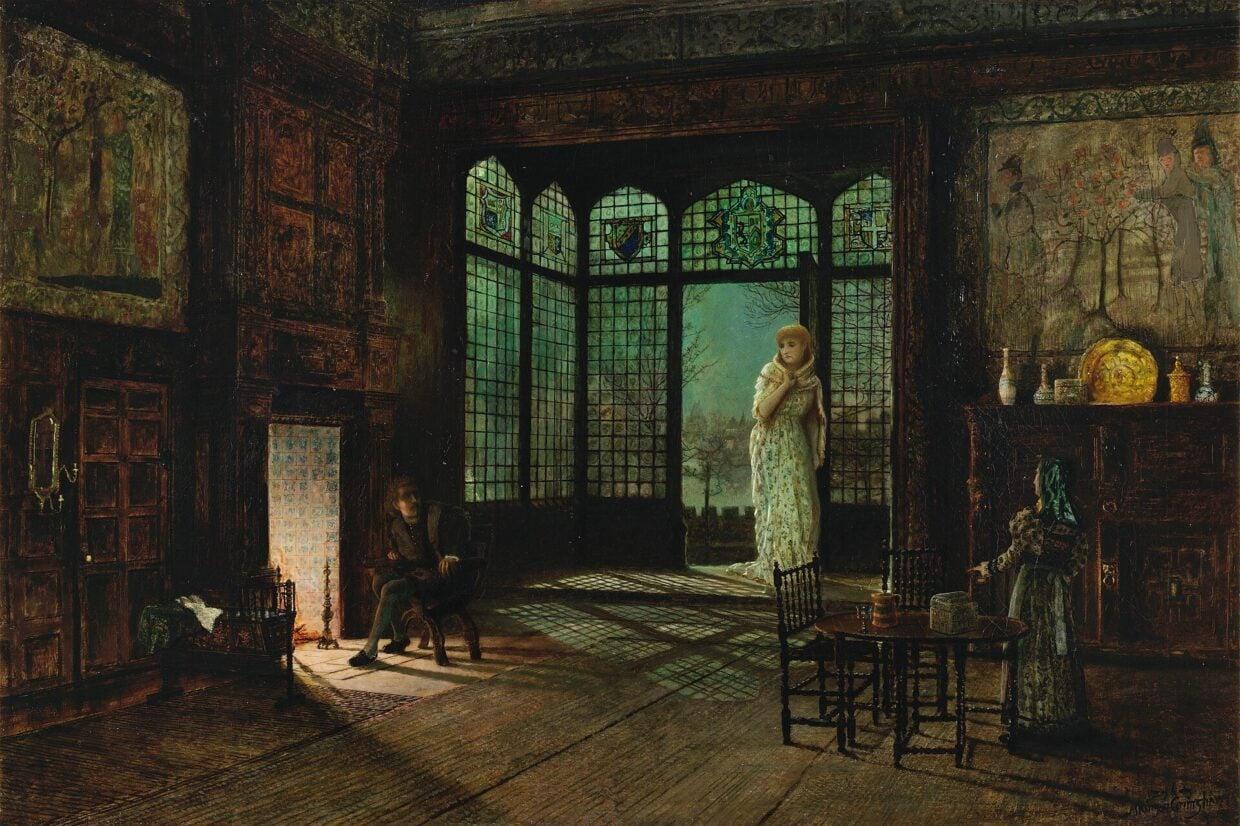
For centuries Londoners told a story about how Shoreditch got its name. Jane Shore, a mistress of Edward IV, was said to have ended her life in poverty and hunger, dying in a ditch in what was then an unsavoury suburb north of the city.
The story is false. The name Shoreditch was in use long before she was born.
A name older than the legend
The Survey of London volume on Shoreditch, published by London County Council in 1922, listed every early spelling of the name its researchers could find. The earliest is “Soredich”, in a grant to Holy Trinity dated to about 1148. King John’s charter of 1204 has “Sordig”. Later 13th-century records use “Schoresdich”, “Shordich” and “Shoredich”.
The Survey dismissed the Jane Shore story in a footnote: “it has been shown that the name occurs over 300 years before Jane Shore’s time.”
Who Jane Shore was
Her real name was Elizabeth Lambert. She was born in London in about 1445, the daughter of a merchant, and married a goldsmith, William Shore. The marriage was annulled in 1476, and she became Edward IV’s mistress the same year, staying with him until his death in 1483.
Under Richard III she was made to do public penance through the streets and was held in Ludgate prison. She did not die in a ditch. She married Thomas Lynom, the King’s Solicitor, and lived until about 1527. She is not known to have been called Jane in her lifetime. That name was attached to her by later writers.
The ditch story comes from ballads and plays. Thomas Heywood’s play Edward IV, printed in 1600, ends with her and her husband buried in “Shores Ditch”, which the play presents as the origin of the name. The place-name scholar Richard Coates points to a ballad in Samuel Pepys’s collection that made the same link.
So where does the name come from?
Nobody is sure. The second half is the Old English word for a ditch or dyke. The first half has produced several theories:
- A sewer ditch. This was long the usual explanation: “shore” as an old form of “sewer”, a drain across marshy ground. The 1922 Survey doubted it, because “sewer” comes from French and would not have been part of an English place name this early.
- A family name. Walter Thornbury’s Old and New London (1878) credited the Soerdich family, lords of the manor under Edward III. The Survey replied that this “puts the cart before the horse”: the family took its name from the place.
- A person called Sceorf. J. E. B. Gover’s Place Names of Middlesex (1922) read it as “the ditch of Sceorf or Scorre”.
- A Roman fort or rampart. In the journal Nomina, Coates argues the first part may come from a Brittonic word for a fort or rampart, perhaps the Roman gate at Bishopsgate, at the southern end of the road now called Shoreditch High Street. He adds that the medieval record “is too late to be conclusive”.
The Duke of Shoreditch
The name collected one more story in the 16th century. Thornbury records that Henry VIII, pleased with an archer from Shoreditch called Barlow at a contest at Windsor, gave him the joke title “Duke of Shoreditch”. His fellow archers took titles such as the Marquis of Hoxton and the Marquis of Islington.