


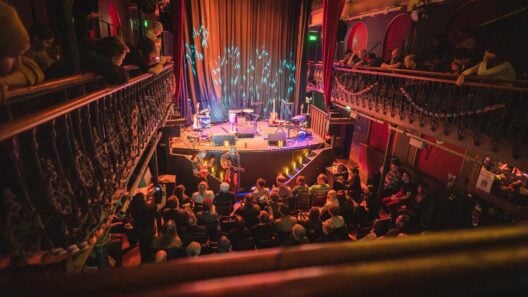
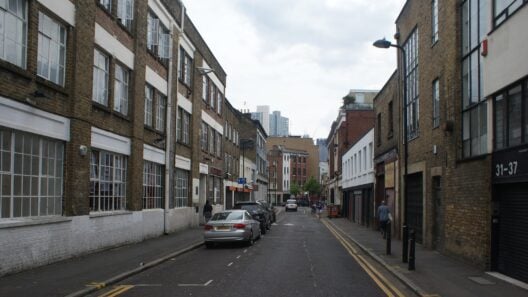
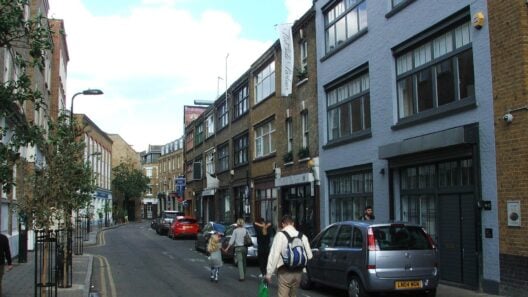
Hoxton Hall, the small Victorian theatre at 130 Hoxton Street, was a music hall for only eight years. It opened in 1863 and lost its licence in 1871 after complaints from the police.
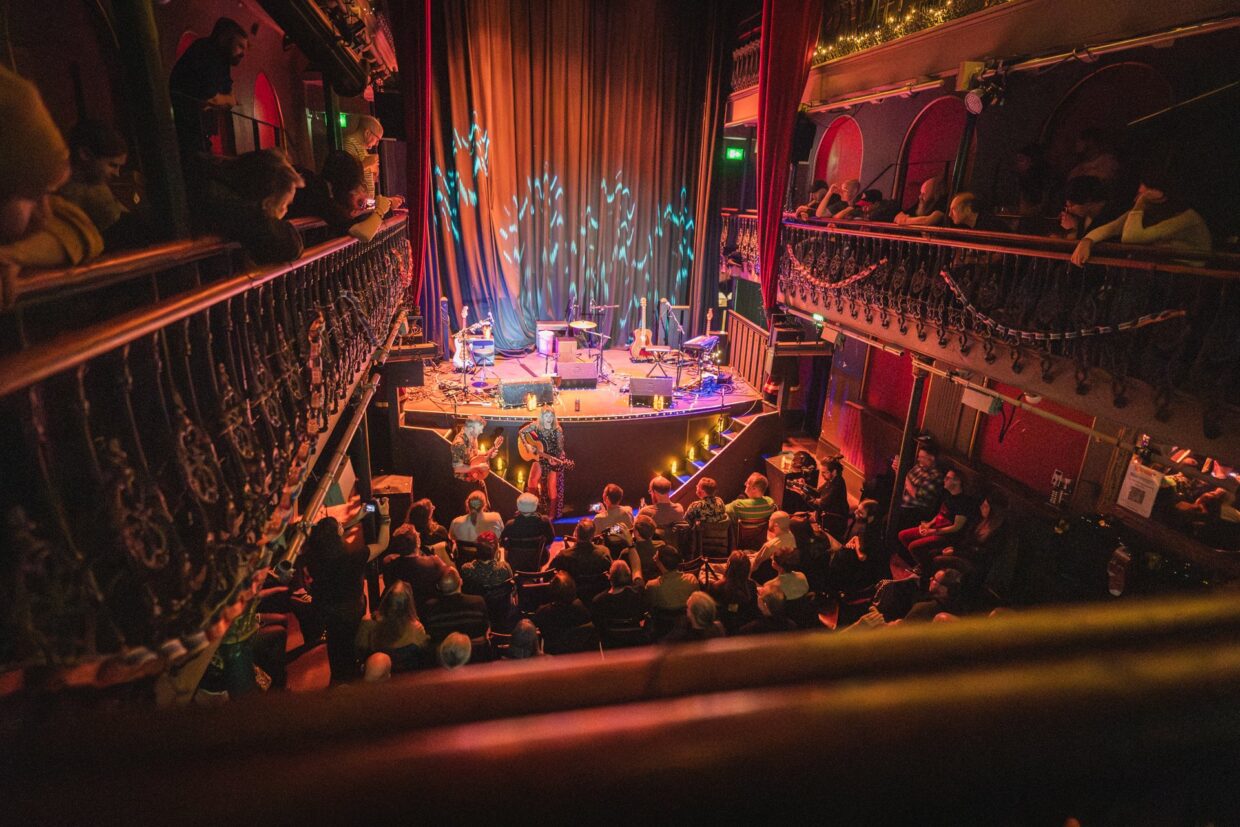
For most of the next century it was run by a temperance mission and then by Quakers. Because it was used for so long as a Quaker meeting house, its two-tier galleried auditorium survives largely in its original form. Love Hackney, the council’s culture site, calls it one of only five surviving saloon-style music halls in the UK. It is listed at Grade II*.
From Mortimer’s Hall to McDonald’s
James Mortimer built the hall in 1863, naming it after himself. Hoxton Hall’s own history says he ran it on a principle of “five per cent philanthropy”, a commercial venture meant to improve the district, and that it was “perhaps, too high-minded and failed”. Love Hackney says the aim was to give working people “instruction with amusement”, unlike the bawdy gin palaces.
James McDonald, who had a music hall background, bought it in 1866 and renamed it McDonald’s Music Hall. Its bills included music, circus acts and performing dogs. It was busy enough that in 1867 he raised the height of the hall and added an upper balcony. Hoxton Hall says the building seen today is essentially McDonald’s Music Hall.
In 1871 McDonald lost the music and dancing licence after the police complained. A later owner applied for a new licence in 1876 and was turned down.
Temperance and Quakers
In 1879 William Isaac Palmer, an heir to the Huntley and Palmers biscuit firm, bought the hall for the Blue Ribbon Gospel Temperance Mission, which held nightly meetings there until 1893. A girls’ club, the Girls Guild of Good Life, ran classes in the building from 1878.
Palmer left the hall in his will to the Bedford Institute, a Quaker mission, and it was extended in 1910. During the Second World War its basement was an air raid shelter. Theatre came back slowly after the war, with Shakespeare productions from the 1960s, and a Heritage Lottery-funded refurbishment reopened the hall in 2015.
A crime drama on four floors
The hall’s next big production uses the whole building. Sleepwalk Immersive, founded in 2022 by Sebastian Huang, announced on 27 October that it will stage CAESAR, a version of Julius Caesar set in the criminal underworld of 1940s Chinatown, across four floors of Hoxton Hall from 23 February to 21 March 2027. Tickets are not yet on sale.