



James Parkinson, the Hoxton surgeon who gave his name to Parkinson’s disease, was questioned before the Privy Council in 1794 about a supposed plot to kill King George III with a poisoned dart fired from a pop-gun. He was never charged, and the plot turned out to be the invention of a government spy.
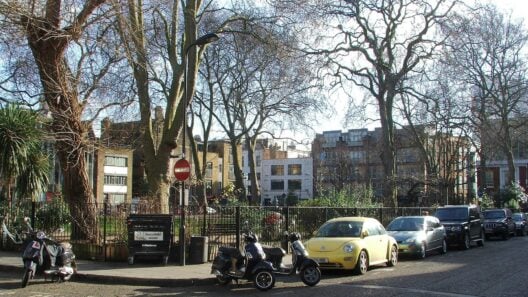
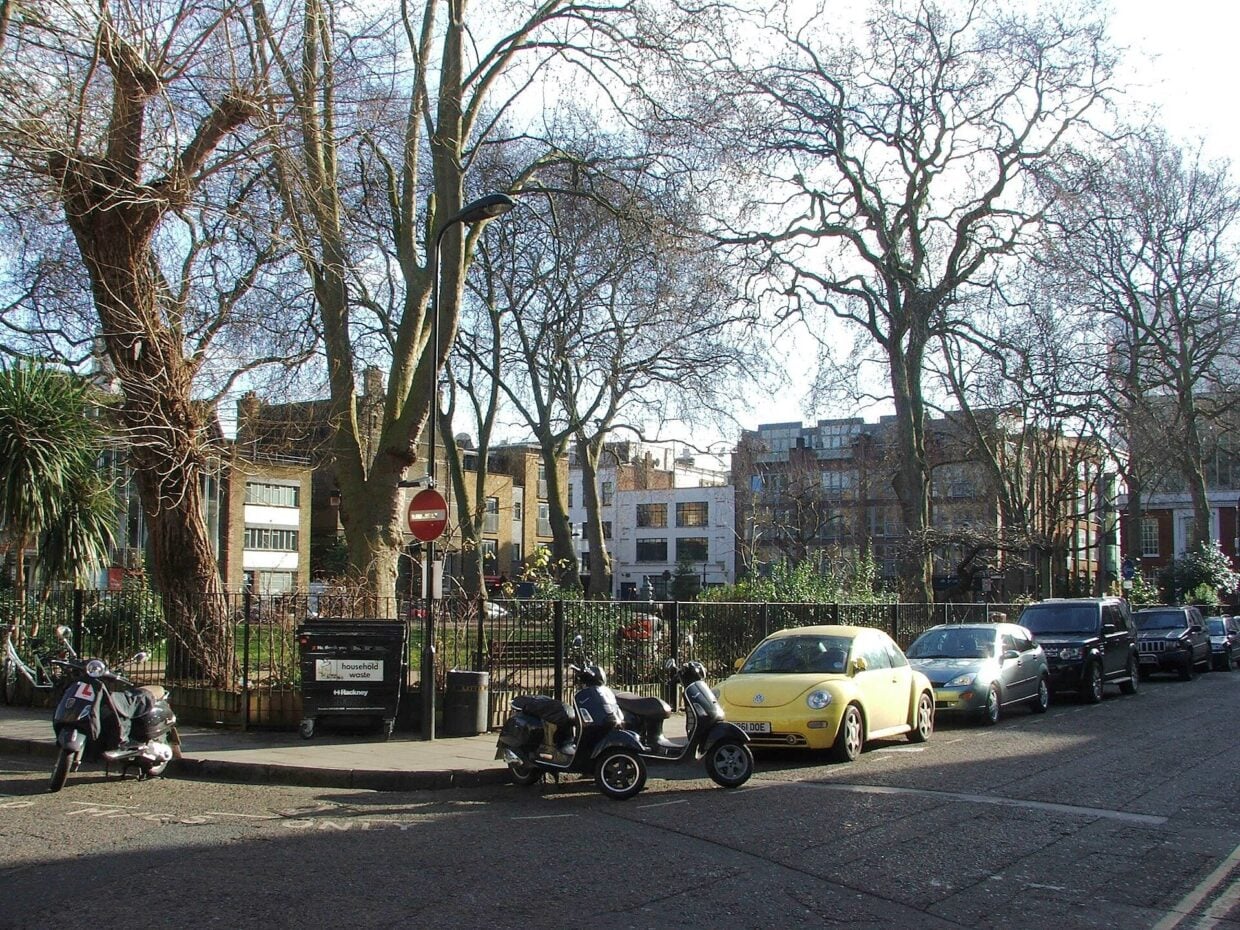
Parkinson was born on 11 April 1755 and spent his life in Hoxton. Like his father, he worked as a surgeon and apothecary, from the family house at 1 Hoxton Square, where a plaque now marks the site.
‘Old Hubert’ and the Pop-Gun Plot
In the 1790s he was a radical. He belonged to the London Corresponding Society, which campaigned for parliamentary reform, and wrote pamphlets attacking William Pitt’s government under the name “Old Hubert”. One, in 1793, was addressed to Edmund Burke “from the Swinish Multitude”, a reply to Burke’s phrase for the common people.
In 1794 three members of the society, Paul Thomas LeMaitre, John Smith and George Higgins, were arrested and accused of planning to shoot the king with a poisoned dart from an airgun. Parkinson was examined under oath before Pitt and the Privy Council, and refused to answer until he was sure he would not incriminate himself. A fourth man was arrested in 1795. All four were acquitted of treason in May 1796.
Historians differ on how involved Parkinson was. The writers Ruth Richardson and Brian Hurwitz, in Spitalfields Life, describe the plot as a non-existent conspiracy dreamed up by a spy.
Six men in the streets of Hoxton
In 1817 Parkinson published An Essay on the Shaking Palsy, a pamphlet of 66 pages. It described six men aged 50 to 72 with a tremor at rest, a stoop and a hurrying walk. Three were his own patients. Two he had watched in the street and then examined, and one he saw only at a distance.
He called the condition paralysis agitans. More than half a century later the French neurologist Jean-Martin Charcot proposed calling it “la maladie de Parkinson”, and the name stuck.
Parkinson also served as parish surgeon to the Shoreditch workhouse, and was a churchwarden at St Leonard’s. He collected fossils, published a three-volume study of them between 1804 and 1811, and was at the meeting at the Freemasons’ Tavern in November 1807 that founded the Geological Society of London.
No grave and no face
He died on 21 December 1824 after a stroke and was buried at St Leonard’s, Shoreditch, but the site of his grave is not known. A memorial stone inside the church was put up by nurses from the former St Leonard’s Hospital on Kingsland Road, which grew out of the workhouse where he worked.
No portrait of him is known to exist. A photograph sometimes captioned as Parkinson shows someone else, and he died before photography was invented. World Parkinson’s Day is held each year on his birthday, 11 April.
The essentials
- Born: 11 April 1755, Hoxton; died: 21 December 1824
- Where he worked: 1 Hoxton Square, London N1, now marked by a plaque
- Memorial: St Leonard’s Church, 119 Shoreditch High Street, London E1 6JN
- The essay: An Essay on the Shaking Palsy, 1817, 66 pages, six cases